


Businesses in the chemical industry are under constant pressure to balance productivity with safety and sustainability. The equipment they use often operates in high-pressure environments, where they’re constantly exposed to corrosive agents and extreme temperatures—conditions that accelerate wear and increase the risk of breakdowns.
Even minor failures can lead to safety incidents or environmental damage, especially when hazardous substances are involved. For business owners, the costs of unplanned downtime can compound quickly through lost output, repair bills, and reputational damage.
Given these risks, taking a proactive approach to equipment maintenance is a business-critical strategy. The longer your equipment lasts, the more value you gain from your capital investment. That translates into lower lifetime operating costs and more predictable performance. You’ll also see fewer disruptive emergencies overall.
Understanding current best practices can help you stretch your resources further while maintaining high standards of reliability and compliance. This feature outlines practical, high-impact steps that can extend the life of your business’s chemical processing equipment and build a stronger foundation for long-term operations.
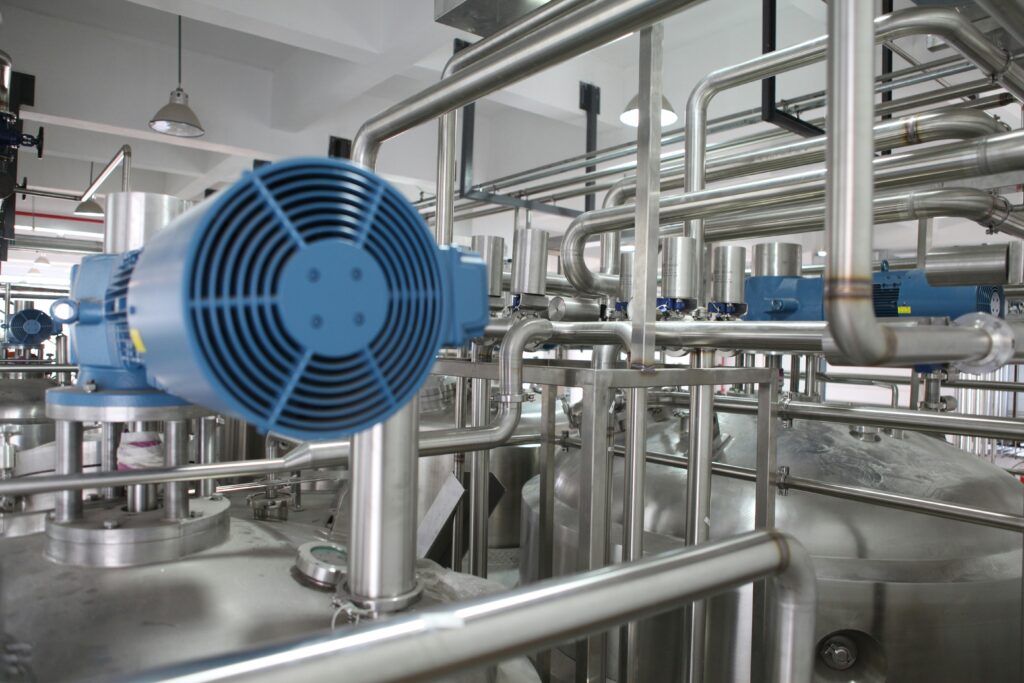
IMAGE: UNSPLASH
Use Corrosion-Resistant Materials
When your equipment is tasked with handling harsh chemicals day in and day out, not all materials will hold up to the challenge. To prevent degradation before it starts, select components made from corrosion-resistant materials.
For example, HDPE footvalves are commonly used in transfer systems because they provide excellent chemical resistance, low moisture absorption, and a long operational life, all of which make them ideal for applications involving aggressive liquids.
When you choose durable materials from the outset, you reduce the likelihood of leaks and slow deterioration. It’s a move that extends the working lifespan of your system as a whole.
Implement Smart Maintenance Systems
Reactive maintenance is no longer the norm in modern chemical operations. Digital tools like computerised maintenance management systems let you schedule, track, and optimise equipment servicing using real-time data.
These systems allow you to set automated reminders, monitor parts usage, and centralise maintenance records, thereby making it easier to prevent failures. Over time, a more data-driven approach supports more accurate forecasting and better asset longevity planning.
Use Technology-Enhanced Training And Safety Tools
Traditional training methods aren’t always enough when dealing with complex or hazardous machinery. Fortunately, technology now gives you more effective ways to educate your workforce.
Interactive simulations, virtual reality (VR) modules, and digital learning platforms can help staff understand equipment functions and safety protocols in a more immersive and memorable way. Some equipment even comes with built-in digital guides or lockout-tagout systems that reduce operator error and enhance on-the-ground safety.
Automate Cleaning And Decontamination Processes
Manual cleaning procedures leave room for error, especially in chemically sensitive systems. A few smart investments in automated clean-in-place (CIP) or sterilise-in-place (SIP) systems can make it easier for you to maintain cleanliness standards without disassembling equipment or exposing staff to harmful substances.
You can also integrate these systems with monitoring tools to verify cleanliness levels, track cycles, and ensure that every process meets internal and regulatory benchmarks. The result is improved consistency and reduced wear from over-cleaning or chemical incompatibility.
Invest In Condition Monitoring Technology
Waiting for equipment to show visible signs of failure often means you’re already too late. With the support of condition monitoring technologies, you can detect mechanical stress or abnormal wear before it escalates.
Tools like vibration sensors, thermal imaging, and oil analysis offer insights that aren’t visible during routine inspections. As a result, you have more time to plan maintenance activities strategically. In the long term, they can reduce emergency interventions and extend the service life of key components.
Optimise Operating Conditions With Real-Time Controls
Running equipment outside its design limits might not cause it to fail immediately, but you will notice it performing less reliably over time. With real-time control systems in place, you can actively manage critical variables like pressure, temperature, and chemical flow.
Sensors and digital interfaces enable you to detect deviations early and automatically adjust system inputs to bring them back within safe thresholds. Such systems are built to be responsive by design, which not only protects your equipment from avoidable damage but also helps maintain stable and reliable output.
Work With Technologically Capable Suppliers And Service Providers
Your vendor partnerships should be more than transactional; they should support your long-term operational goals. Precision and uptime are vital in the chemical industry, so technologically capable partners can add measurable value. Seek suppliers and service providers who offer digital diagnostics, IoT-enabled components, or remote monitoring support.
Dependable providers will help you stay ahead of potential failures, respond quickly to issues, and ensure that replacements or upgrades align with your digital infrastructure.
The steps you take to extend the life of your equipment today will do more than just keep things running. Ultimately, you’re building greater resilience into your operations.
The demands of the chemical sector will only rise with time, so making equipment longevity a priority is one of the best ways to give your business a lasting edge.
COMMENTS