


Anime has long gone beyond Japan. It is watched in the West, discussed on forums, and quoted in memes. The Western geek world responds with equal interest: conventions, cosplay, fan art, podcasts. The exchange goes both ways. Genres mix. Formats compete and learn from each other.
We see this in the details. Shōjo and shōnen structures enter Western TV series. Mecha aesthetics and cyberpunk fuel indie games. Western studios hire Japanese artists. Japanese studios adjust to Western prime time and streaming services. Localization has become precise and fast. Merchandise and licensing create a shared market.
This article lays out the bridges of influence. We will examine distribution channels, key visual and narrative borrowings, the role of fandoms and creators, the economics of rights and releases. We will show where the exchange strengthens quality and where it stumbles.
The result is a clear map of how anime and the Western geek world meet, clash, and grow together. With examples, without wasted words. With focus on practice and concrete reasons.
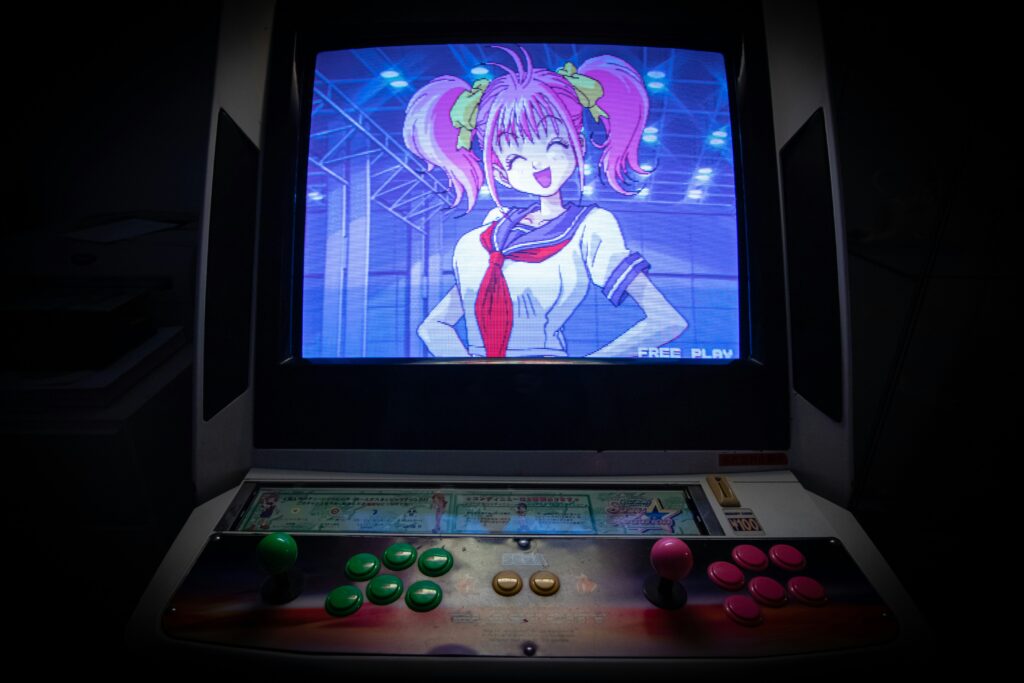
IMAGE: UNSPLASH
Anime Characters As The Center Of Attention
Every anime viewer gravitates toward characters. Heroes and antiheroes become the entry points into a story. Their design, habits, voices, and even gestures create a whole culture around them. Western geeks respond to this just as strongly as Japanese audiences.
It is not only about the plot. The character is the anchor for fans. From them come cosplay looks, fan art, memes, and endless forum discussions. Western studios noticed this long ago and started creating their own anime-inspired heroes.
Modern services let fans dive even deeper. For example, Swipey AI anime girlfriend gives people a way to get closer to characters from their favorite anime worlds, creating unique interaction with them.
This approach erases the line between viewer and fictional figure, turning interest into a personal experience.
The Western geek world actively supports this trend. The brighter and closer the characters become, the stronger the cross-cultural community grows.
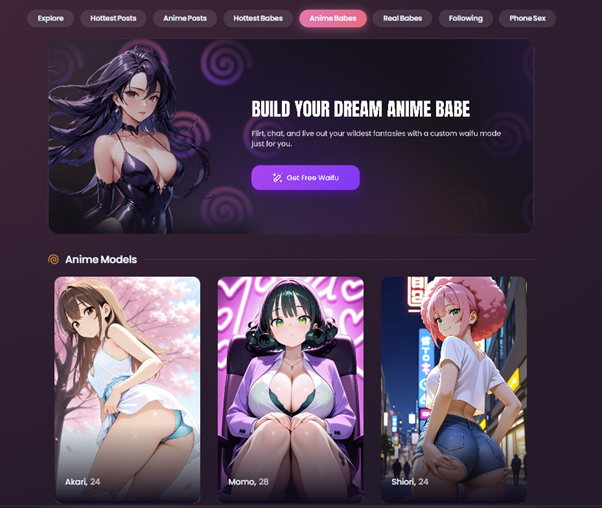
IMAGE: SWIPEY
Channels Of Influence And Distribution
Anime moved beyond Japan in the late 20th century through television broadcasts and pirated VHS tapes. In the 1990s came official translations, followed by streaming services that made releases nearly simultaneous. For the first time, Western viewers could watch new episodes alongside the Japanese audience.
Today, the main distribution channels are Netflix, Crunchyroll, Amazon Prime Video. They invest in licenses, order exclusives, and support dubbing and subtitling. The internet removed the delay between markets, and that became decisive.
The influence runs both ways. Western platforms push Japanese studios to consider the global audience: storylines become more universal, with more emphasis on visuals and dynamic pacing. At the same time, Western studios take inspiration from anime formats and embed them into their projects.
As animator and director Mamoru Hosoda once said: “We create stories for Japan, but always hope they will resonate with viewers worldwide.”
Visual And Narrative Borrowings
Anime and the Western geek world have long exchanged styles. The visual aesthetics of Japanese animation — big eyes, bright palettes, expressive faces — became part of Western cartoons and comics. In return, anime adopted elements of Hollywood filmmaking: editing techniques, darker noir tones, action-movie dynamics.
The exchange is just as visible in storytelling. Anime often explores dystopias, virtual reality, and genre hybrids. Western productions use these same devices in their series and franchises.
| Element | From Anime → To The West | From The West → To Anime |
| Visual Style | Big eyes, emotional focus (Teen Titans) | Dark palettes, cinematic editing (Ghost in the Shell) |
| Storylines | Cyberpunk and complex worlds (The Matrix inspired by anime) | Heroic fantasy and comic-book archetypes (Attack on Titan) |
| Characters | “Tsundere” archetype in Western shows (She-Ra and the Princesses of Power) | Hollywood antihero (Death Note adaptations) |
| Technology | Virtual reality and mecha (Pacific Rim as homage to anime) | Hollywood-level VFX in feature anime (Akira 4K remaster) |
This table shows the exchange is not accidental but a steady practice. Each side takes ideas from the other, adapting them for its own market.
The Role Of Fandoms And Communities
Fandoms became the driving force of cultural exchange. In the 1980s, fans swapped VHS tapes and printed amateur magazines. In the 1990s, the first internet forums and fan sites appeared, where people discussed episodes and shared translations.
Today, the community thrives on Reddit, Discord, Twitter, TikTok. Fans create memes, fan art, and podcasts. They also push platforms toward licensing series, demanding official releases and quality subtitles.
Conventions like Comic-Con and Anime Expo turned into meeting points for both worlds. Here, cosplayers merge Japanese and Western characters, artists sell merchandise, and studios hold premieres and test screenings.
Fandoms act as both filter and amplifier. They help Japanese studios see what works in the West and guide Western creators on how to embed anime aesthetics in their projects.
The Economics Of Licensing And Releases
Anime has become not only a cultural but also an economic bridge. Licensing provides studios with their main revenue abroad. Every deal with a platform or TV channel secures access to a new audience and pays back production costs.
Western companies pay for distribution, merchandise, and adaptations. These are not one-off deals but long-term contracts. The success of a series like Naruto or Attack on Titan spawns entire industries of toys, clothing, and video games.
Release speed is a key factor. Where audiences once waited years, now episodes arrive almost simultaneously worldwide. This model reduces piracy and boosts profits.
Major players include Crunchyroll, Funimation, Netflix. They compete for rights and invest in their own anime projects. This shifts the balance of power: Western platforms become not just buyers but also producers.
The economy of exchange rests on mutual benefit. Japanese studios secure stable revenue, while Western companies get content that attracts millions of subscribers.
Conclusion: The Map Of Intersections
Anime and the Western geek world move toward each other. One offers rich visual techniques and unusual archetypes, the other provides technology, capital, and global distribution. Together they create a market that grows faster than either would alone.
The culture of exchange shows itself in the details. Western studios use mecha aesthetics, Japanese creators adopt superhero elements. Fandoms build bridges between markets, while streaming services lock in results with fast releases and joint projects.
This map of intersections is not static. Each year brings new points of contact: AI tools, the metaverse, crossovers between comics and manga. Anime and the Western geek world keep shaping one another, maintaining their identities while expanding their horizons.
COMMENTS