


Choosing the right restaurant tables is an important part of creating a space that feels comfortable, functional, and consistent with your design goals. The materials, shapes, and styles you select will influence durability, maintenance needs, customer experience, and the overall atmosphere of your restaurant. The following guide highlights the most common options used in modern commercial settings.
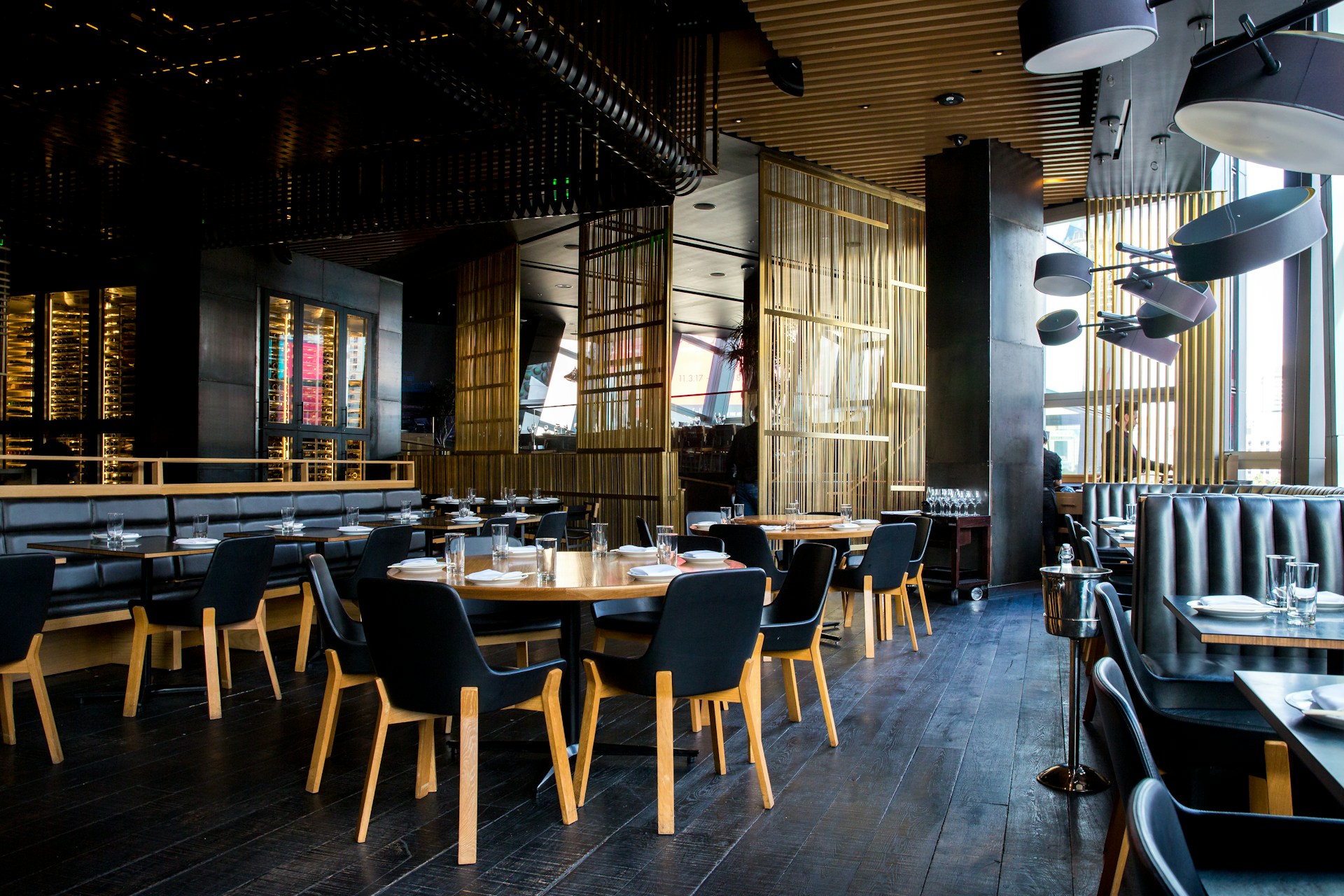
IMAGE: UNSPLASH
Popular Materials For Restaurant Tables
Solid Wood
Solid wood remains one of the most desirable choices for restaurant tables. Its natural appearance gives a warm and premium feel to any dining area. Hardwood varieties offer impressive strength and long term durability, making them suitable for high traffic environments. Because of its cost and appeal, solid wood is often found in upscale or fine dining restaurants.
Laminate
Laminate table tops are known for their versatility and wide range of design possibilities. They can be manufactured to resemble wood, metal, or stone, and can even include custom graphics such as branding. Laminate is durable, budget friendly, and suitable for many restaurant types that want style without the cost of natural materials.
Synthetic Teak
Synthetic teak gives the appearance of traditional teak wood while offering advantages such as low maintenance, resistance to weather, and a lightweight structure. It is a practical option for both indoor and outdoor dining areas, making it popular in restaurants that need long lasting performance in various conditions.
Resin
Resin table tops are valued for their strength and their resistance to heat, scratches, and moisture. They can be crafted to mimic different textures and colors, including patterns that look like wood or stone. Because they handle outdoor exposure well, resin tables are commonly used on patios and open air dining spaces.
Common Shapes And Functional Designs
Restaurant tables are available in shapes that serve different seating needs and spatial layouts.
Square Tables
Square tables are popular in restaurants that focus on smaller groups or intimate dining. They usually seat up to four people and can be grouped together easily when larger parties arrive. This flexibility makes them ideal for many dining environments.
Rectangular Tables
Rectangular shapes are frequently seen in casual dining, cafes, and family restaurants. They fit well against walls or in rows, maximizing floor space while offering comfortable seating for groups of various sizes.
Round Tables
Round tables are often used for larger parties since they allow all guests to face one another. They promote easy conversation and create a sense of unity, making them a strong option for group-friendly restaurants.
Drop Leaf and Convertible Options
Some restaurants choose tables with drop leaves that can extend the seating area without moving furniture. This is especially useful for venues that expect changing group sizes throughout the day.
Styles Of Restaurant Tables
After selecting the material and shape, the next step is choosing a style that matches your overall interior concept.
Upscale
Upscale restaurant tables often feature solid wood finishes that match or complement the seating. The goal is to create a polished and luxurious environment that enhances the dining experience. Quality craftsmanship and refined details are key elements of this style.
Industrial
Industrial style tables use a combination of metal and wood to achieve a modern, urban look. Clear coated metal and aged or textured wood surfaces are common. This style works well in restaurants that aim for a contemporary and creative atmosphere.
Communal
Communal tables support large group dining and encourage social interaction. They maximize seating capacity and contribute to a casual and welcoming environment. This style is increasingly popular in modern dining concepts where shared experiences are part of the brand identity.
Bar Height
Bar height tables are typically found in restaurants with active bar areas or menus focused on drinks and lighter fare. They help save space and create a dynamic, energetic setting. Pairing these tables with stools can make smaller rooms feel more open.
COMMENTS