


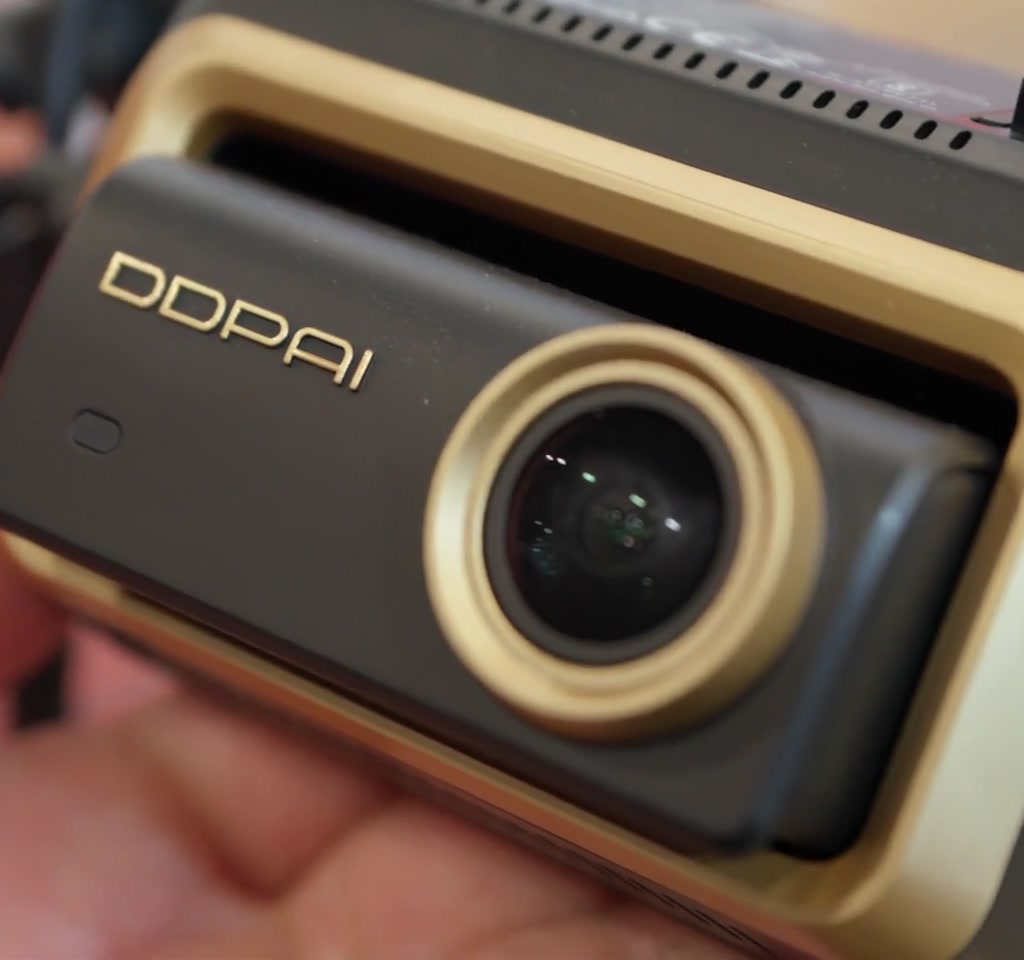
CES 2026 rarely delivers subtle product pivots, but DDPAI managed one anyway. The Z90 Master reframes what a dash cam can do by fusing high fidelity capture with editing workflows and interior imaging that reads like a studio trick. That repositioning is the meaningful shift, because it changes what drivers must think about when they buy.
What The Z90 Master Actually Brings To The Windshield
In plain terms, the Z90 Master combines a three channel camera array with camera-grade imaging features. It pairs a front 4K sensor, a rear 4K sensor, and an interior 3K lens, plus interior portrait optimization and an infrared enhanced interior sensor for low light. The package is designed to capture multiple angles with both legal clarity and social polish.
The most important single idea is this: DDPAI is asking drivers to treat the car as both a safety perimeter and a capture environment. That dual role creates immediate technical and social consequences that follow through the rest of the product experience.
How The Z90 Master Works In Practice
The system records three simultaneous streams and applies onboard image processing to improve skin tones, dynamic range, and low light visibility. Onboard AI portrait optimization for the interior lens adjusts lighting and color to produce footage that looks natural on playback. That processing increases power draw and heat, which in turn shapes device behavior and durability.
Why Resolution Is Only One Part Of The Story
Higher pixel counts improve evidence and aesthetics, but they also expose latent constraints. When a dash cam becomes a content studio the dominant questions switch from basic reliability and loop recording to storage size, upload bandwidth, and continuous power. Those are the variables that will decide whether users feel liberated or burdened by the upgrade.
Benefits Of High Fidelity Dash Cams
High resolution multi channel capture offers clear, tangible advantages: better accident reconstruction, more usable footage for investigations, and footage that needs less post production to look shareable. For content creators, built in templates and multiview editing reduce time from capture to publish, making the camera functionally useful rather than simply archival.
Problems And Practical Limits
That usefulness comes with costs. Recording dual 4K streams and a 3K interior feed pushes storage and power needs into a new category. Continuous capture can consume large quantities of local storage, and frequent uploads of high bitrate clips strain mobile data plans. Power draw and thermal stress also increase, impacting parked monitoring and device longevity.
Storage And Bandwidth Demands Explained
Recording three high resolution streams is not a marginal increase, it is a scale change. Conservatively, continuous capture will consume tens of gigabytes per hour, and in higher bitrate modes it can approach 40 to 50 gigabytes per hour. Those figures make micro SD retention impractical for long term storage and push users toward SSDs or cloud backups, each with recurring costs and workflow implications.
How To Interpret Recording Size Estimates
A minute of high bitrate 4K footage can be tens to a few hundred megabytes depending on compression. That means frequent short uploads accumulate quickly and can hit cellular caps on common mobile plans. Users who plan to publish regularly will face predictable data costs unless they adopt a local-first workflow or rely on Wi Fi syncing.
Power, Thermal, And Parked Monitoring Tradeoffs
Onboard AI processing and infrared illumination raise device power draw. Under prolonged recording or when the vehicle is parked, that can exhaust a vehicle battery in days rather than weeks unless the system uses an external power management module or conservative recording modes. Devices under sustained thermal load may also throttle or rely on active cooling, which changes installation needs and maintenance expectations.
Installation Choices Affect Longevity
Hardwiring a dash cam with a dedicated power module increases cost up front but extends monitoring windows and reduces the chance of draining the car battery. Suction or plug in setups are cheaper and easier to install, but they are better suited to drivers who do not need continuous parked surveillance or who accept shorter retention windows.
Privacy And Legal Issues Slip Into Frame
Interior cameras that enhance how occupants look introduce a clear privacy vector. Recording high quality interior footage can capture conversations, gestures, and private moments. Laws on audio and video recording vary by jurisdiction, and rideshare drivers face different expectations about consent. These realities make transparent indicators and easy disable features essential for wider adoption.
This tension is not purely technical. The push for portrait optimization and shareable footage collides with social norms about observation and consent, and the product choices DDPAI makes around visible LEDs, notification behavior, and app controls will shape public reception more than the megapixel count.
UX And Workflow: Where DDPAI Wins And Where It Stumbles
DDPAI’s app and template system are the user experience lever. Built in social templates, multiview trimming, and one touch export flatten common editing tasks and lower the barrier to publish. That design move converts raw capture into an outcome people recognize as useful rather than merely archival.
However, that polished UX depends on a robust data plumbing. If a phone must process dozens of gigabytes locally or upload clips on a slow cellular plan, users will experience friction. The company can design the smoothest app, but network and storage realities will still govern perceived performance.
Comparison: Z90 Master Vs 360i
Both products aim to push the dash cam from passive witness to active creator, but they pursue that goal differently. The Z90 Master emphasizes three discrete channels with interior portrait optimization, while the 360i emphasizes panoramic coverage and immersive review modes. Decision factors include desired field of view, editing workflows, and storage strategies.
Field Of View And Use Case Differences
The Z90 Master’s multi channel approach is optimized for distinct legal and social angles: front, rear, and cabin. The 360i’s panoramic layout eliminates blind spots and supports VR style playback, which is valuable for scenic drives and situational awareness. Choose based on whether you prioritize targeted clarity or comprehensive perspective.
Workflow And Sharing Differences
DDPAI’s templates and multiview editing make both devices useful for creators, but the 360i’s panoramic footage may require different editing approaches and produce larger composite files. The Z90 Master’s portrait optimized interior feed can reduce post processing for passenger-facing content, which matters for quick social edits.
Installation And Ongoing Costs
Installation ranges from DIY mounts to professional hardwiring with a power management module. Hardwiring increases upfront cost but enables longer parked monitoring and protects the vehicle battery. Long term costs include larger local storage, possible cloud backup fees, and occasional maintenance if thermal stress affects reliability.
Maintenance And Reliability Considerations
High performance hardware increases the maintenance surface. Systems that run hotter or harder will likely need higher quality thermal design and may face reduced longevity under heavy use. That is where real world durability tests will determine whether initial excitement translates into long term satisfaction.
How This Fits Into A Larger Trend In Consumer Hardware
DDPAI’s move is part of a broader pattern: devices that were once purely functional are absorbing creative tooling. Home security evolved into cloud first, AI enriched systems; cars are following. The difference inside a vehicle is higher stakes because the outcomes include legal liability, privacy, and physical safety, not just social visibility.
Who This Is For And Who This Is Not For
Who This Is For: Drivers who want both high quality evidence and ready to publish footage, content creators who prioritize multiview aesthetics, and fleet operators who value comprehensive documentation. These users will accept added storage needs and installation complexity in exchange for multi angle clarity and editing shortcuts.
Who This Is Not For: Drivers who primarily want a low maintenance, loop recording front camera for occasional accident evidence, people with strict mobile data caps who cannot rely on Wi Fi syncing, and anyone unwilling to manage the privacy implications of high quality interior recording.
Open Questions Worth Watching
Two unresolved tensions matter going forward. First, will mainstream consumers accept the extra cost and complexity required to live with multi channel high fidelity capture? Second, can manufacturers build practical privacy guardrails that satisfy legal jurisdictions and rider expectations without crippling the creative features? Those tensions will determine whether the category shifts permanently.
Final Takeaway And Forward Looking Considerations
DDPAI is not merely increasing pixels; the company is redefining the dash cam as a hybrid device that must juggle proof, production, and privacy. The Z90 Master and the 360i mark a clear step toward cars as portable studios, but their success will hinge on storage strategies, power management solutions, and the app flows that turn high resolution footage into usable outcomes instead of burdensome files.
For buyers, the practical decision is less about headline specs and more about ecosystem: how much storage you can afford, whether you will hardwire for parked monitoring, and how comfortable you are with interior recording by default. Those real world tradeoffs will shape adoption far more than megapixel counts.
FAQ
What Is The Z90 Master?
The Z90 Master is DDPAI’s three channel dash cam package combining front 4K, rear 4K, and an interior 3K lens, with interior portrait optimization and infrared enhanced low light capability.
How Much Storage Does The Z90 Master Use?
Recording three high resolution streams continuously can consume tens of gigabytes per hour, and in higher bitrate modes estimates rise toward 40 to 50 gigabytes per hour. Actual numbers depend on compression and settings.
Can The Z90 Master Drain My Car Battery?
Yes. Continuous multichannel recording plus processing and infrared illumination can exhaust a vehicle battery in days rather than weeks unless you use a hardwire kit or an external power management module.
Does The Z90 Master Record Audio And Are There Legal Issues?
Interior cameras that capture audio raise jurisdictional consent issues. Laws vary, and rideshare drivers should check local regulations. Visible indicators and easy disable options are important for compliance and trust.
How Does The Z90 Master Compare To The 360i?
The Z90 Master focuses on discrete high clarity channels including an interior portrait optimized feed. The 360i prioritizes panoramic coverage and immersive review modes. Choice depends on whether you want targeted clarity or comprehensive perspective.
Is The Z90 Master Good For Content Creators?
Yes, its portrait optimization and app templates reduce post production work and make multiview edits more accessible. However, creators must manage storage and upload workflows to avoid bottlenecks.
What Installation Options Are Recommended?
Suction and plug in mounts are simplest but limit parked monitoring. Professional hardwiring with a power management module increases cost but enables longer parked recording and protects the vehicle battery.
Are There Privacy Features To Limit Recording?
Transcript details emphasize the need for visible LEDs, notification features, and disable modes as operational essentials. Specific implementations vary by vendor and should be confirmed before purchase.
COMMENTS