


While putting up a custom tent can seem easy, one mistake in setup or positioning could create trouble later on. It is imperative that everything is safe, looks professional, and will perform as expected, whether it is a tradeshow, outdoor market, or corporate event.
Small details like neglecting to check the weather, failing to position the tent frame on a flat surface, or not employing proper anchoring techniques can affect safety and even your brand image. Even if you are not expected to be exposed to strong winds or extremely heavy rains, taking a few moments to set up safely will allow for the best possible appearance, longevity of use, and safety.
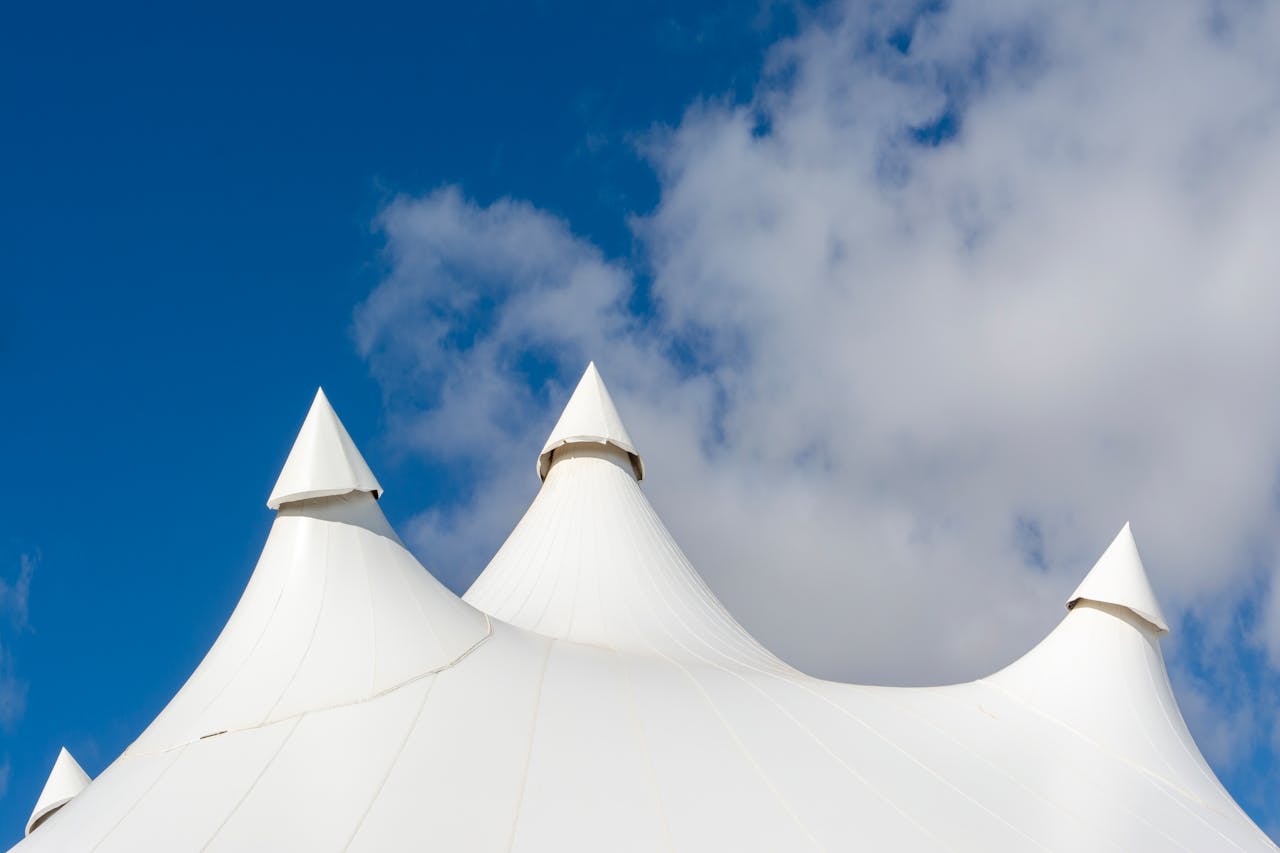
IMAGE: PEXELS
Top 10 Common Tent Setup Mistakes To Avoid
1. Ignoring Proper Layout And Placement For Custom Food Booths
Every event space has its difficulties—uneven ground, varying sun and wind exposure, and different user flow patterns. Dismissing these small details leads to misalignment, accessibility challenges, or complications to visibility. For example, when constructing a custom food booth, being near the entrance or pedestrian walkway can effectively entice guests, and creating a sufficient buffer and circulation around your cooking or display area can reduce congestion.
2. Overlooking Surface Leveling And Ground Stability
Establishing a tent on uneven or unstable ground may result in leaning, sagging, or collapsing. Before you set up, you might test the ground for any soft spots or slopes. You might even consider adjustable legs or adjustable ground supports to ensure a level tent base to prevent anything from moving throughout. On a grassy or sandy surface, ensure you stake at the proper depth to withstand wind pressure.
3. Failing to Secure Anchors And Weights Properly
Lightweight anchoring is a common practice that may be unsafe. Lightweight tents are especially susceptible to wind events that damage the structure or create issues with safety. Use sandbags, water barrels, or weighted plates at each quilt end as anchoring weight to reduce movement and distribute tension evenly across the frame.
4. Neglecting Weather Preparedness And Tent Durability
Outdoor events are contingent upon changing weather patterns. Ignoring forecasts or not having weatherproof accessories could cause costly damage. Sidewalls, reinforced poles, and waterproof materials offer protection for displays and equipment. In hotter conditions, ventilated panels and reflective canopies help dissipate heat from the inside of the tents.
5. Forgetting Proper Assembly Sequence And Tension Balance
Not utilizing a setup method or building components out of order can weaken a structure; every pole, connector, or panel is engineered to distribute weight, and should be weighed in order of importance. If the weight is not distributed properly across the fabric, it will either sag or wrinkle, and most likely will not look great. Gently and uniformly tensioning a fabric will allow the fabric to hold a smooth surface, and all areas of the fabric won’t be unduly stressed.
6. Overloading Tent Structures With Excessive Equipment
Each tent is designed with its own weight limit, and exceeding this limit with heavy lighting, banners, or electronic devices may lead to stress fractures or distortion. The amount of weight you will suspend or support on the tent before you set it up is an important consideration. Freestanding hardware mounts or separate support frames allow you to safely distribute weight. Following load limits will help maintain safety as well as prolong the tent’s useful life.
7. Neglecting Post-Event Care And Storage
Improper taking down and storage can, in fact, shorten even the strongest tents’ lifespan. Tents put away when wet can develop mildew, smell, and degrade. After each use, all surfaces should be cleaned, dried, and checked for damage. Poles, joints, and fabrics should always be stored in a cool and dry environment to avoid corrosion or mold. Appropriate maintenance, like tightening fasteners and adding lubricant to hinges, means tents are ready for use again in the near future.
8. Ignoring Ground Conditions
The most common error when pitching a camping tent is that people fail to check the ground before setting it up. A tent pitched on soft or unstable ground is likely to tip over or even collapse completely—not a safe scenario. Stabilize the tent using any appropriate method, such as floor panels, sandbags, or heavy stakes. A simple check of ground conditions will help reassure you that the tent is secure, regardless of whether it is windy or unpredictable weather.
9. Overcrowding The Tent Space
Frequently, tents that are oversized with decorative items, furniture, or promotional materials could create less visibility and less movement. An oversized tent could lead to confusion and make attendees feel uncomfortable. However, a tent’s layout that ensures free movement, airflow, and defined pathways provides a positive experience for the participant. Providing a visual balance between display areas and open space creates an atmosphere of professionalism, which attracts attention to exhibits naturally.
10. Skipping A Pre-Event Inspection
Failing to conduct a detailed inspection before the event can cause avoidable delays during setup. Inspecting all the inventory—poles, connectors, tent fabric, and fasteners—guarantees nothing is missing or broken, and that any wear and tear or defects are noticed as soon as possible to allow for timely replacements or repairs. An organized and brief checklist will alleviate the stress of the event process, guarantee proper installations, and ensure you maintain a clean and professional look for the duration of the event.
End Point
The tent for an event is a platform for brand activations, hospitality, and functionality. Avoiding simple setup mistakes (i.e., how the tents are positioned and anchored) can mean the difference between a disorganized experience and a smooth, successful event.
Careful planning and preparation (as well as attention to the environment) about the construction can help ensure that the tents not only look great but also perform as they should. Every proper setup enhances reputation, guest experience, and the value of the investment that was made.
COMMENTS