


In the vast landscape of scientific exploration and discovery, the role of shared laboratory environments stands out as a critical factor shaping the trajectory of innovation. These collaborative spaces harbor a complex interplay of elements that profoundly impact the process of scientific discovery.
This article about shared laboratory spaces assesses the intricate dynamics of shared laboratory environments and their diverse effects on scientific progress.
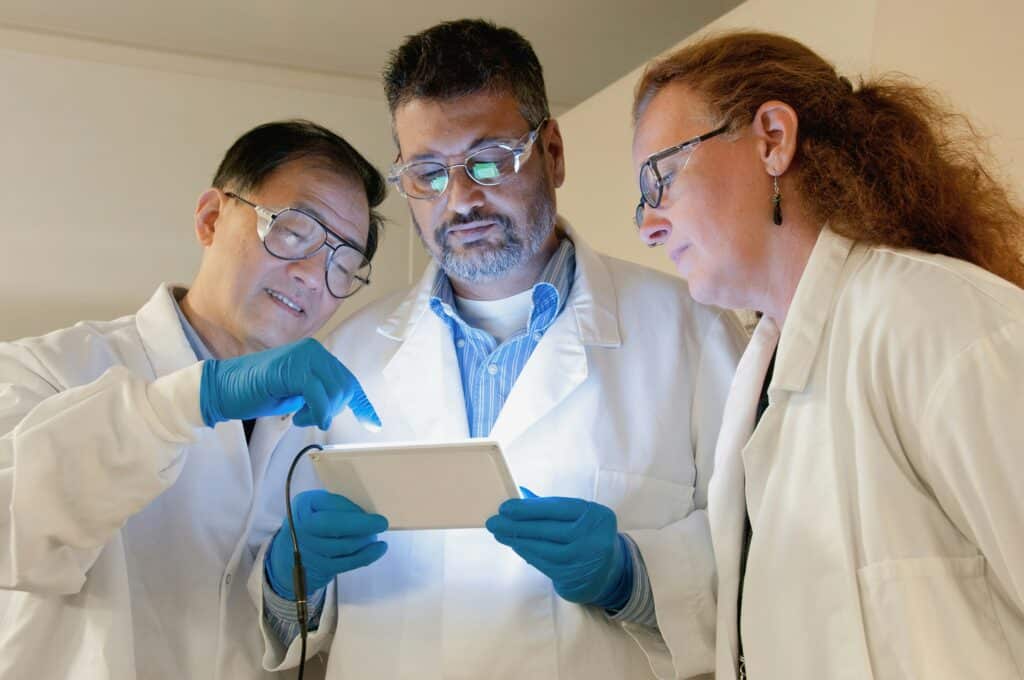
IMAGE: UNSPLASH
Facilitating Collaborative Endeavors
Shared laboratory environments serve as fertile ground for collaborative endeavors, where researchers from diverse disciplines converge to tackle intricate scientific challenges. Breaking down disciplinary boundaries, these spaces facilitate an environment conducive to the exchange of ideas and expertise.
The synergy generated through interdisciplinary collaboration often leads to innovative approaches to problem-solving and opens new avenues for exploration. In these vibrant ecosystems of shared knowledge, creativity blooms, nurturing groundbreaking discoveries that transcend the limitations of individual perspectives.
Expanding Access To Resources
One of the key advantages of shared laboratory environments is their ability to democratize access to specialized resources and cutting-edge equipment.
Individual research groups may face limitations in procuring expensive instrumentation or facilities; however, by pooling resources within shared spaces, researchers gain access to a broader spectrum of tools and technologies.
This accessibility empowers scientists to embark on ambitious projects and explore novel areas of inquiry that may have previously been beyond their reach. Moreover, it fosters a culture of inclusivity, confirming scientific progress is not hindered by financial constraints but rather propelled by the collective effort of diverse minds.
Cultivating Opportunistic Discovery
Serendipity, the unexpected discovery of valuable insights or phenomena, thrives within the dynamic atmosphere of shared laboratory environments. Chance encounters, impromptu discussions and informal collaborations often spark serendipitous moments of discovery.
The diversity of perspectives and expertise present in shared laboratories creates an environment ripe for serendipity to flourish, as researchers stumble upon solutions to problems they may not have actively sought to address.
Embracing serendipity as a catalyst for innovation highlights the importance of encouraging open, interactive environments within scientific communities.
Nurturing A Culture Of Innovation
Shared laboratory environments play a pivotal role in nurturing a culture of innovation characterized by openness, transparency, and knowledge sharing. Dissimilar to traditional closed-door research settings, shared laboratories promote a culture of collaborative inquiry where findings are freely exchanged among peers.
This culture of openness accelerates the pace of scientific progress by facilitating the rapid dissemination of insights and discoveries. Furthermore, by encouraging constructive critique and feedback, shared laboratory environments empower researchers to challenge existing paradigms and explore unconventional paths of inquiry.
Overcoming Technological Hurdles
Remaining abreast of technological advancements is essential in the ever-evolving landscape of scientific research. Shared laboratory environments function as hubs of technological innovation, providing researchers with access to state-of-the-art tools and techniques.
By offering access to cutting-edge instrumentation and expertise, shared laboratories enable researchers to overcome technological barriers and push the boundaries of scientific inquiry. This symbiotic relationship between technological innovation and scientific discovery underscores the transformative impact of shared laboratory environments on research outcomes.
Enhancing Research Integrity
Confirming the integrity and reproducibility of scientific findings is critical for building a robust foundation of knowledge.
Shared laboratory environments promote rigorous scientific practices by building a culture of peer review and validation; through collaborative experimentation and data sharing, researchers in shared laboratories enhance the reproducibility of their findings and mitigate the risk of erroneous conclusions.
Moreover, the collective scrutiny within shared laboratory environments serves as a safeguard against bias and facilitates the identification of potential confounding variables, thereby strengthening the reliability of research outcomes.
Conclusion
The architectures of innovation within shared laboratory environments are characterized by collaboration, resource accessibility, serendipity and a culture of openness.
By harnessing the synergies of interdisciplinary collaboration, democratizing access to resources, cultivating opportunistic discovery, nurturing a culture of innovation, overcoming technological hurdles and enhancing research integrity, shared laboratory environments emerge as pivotal drivers of scientific discovery.
As we continue to explore the multifaceted influence of shared laboratory environments on scientific innovation, it becomes increasingly evident that these dynamic spaces play a vital role in shaping the future of human knowledge.
COMMENTS