


Creating strong, collaborative teams doesn’t happen by accident. Team events are a powerful tool for cultivating trust, encouraging communication, and boosting employee morale—but only when they’re done intentionally. The most effective companies treat these gatherings as more than social breaks.
They design them to build real relationships, drive engagement, and align with organizational values.
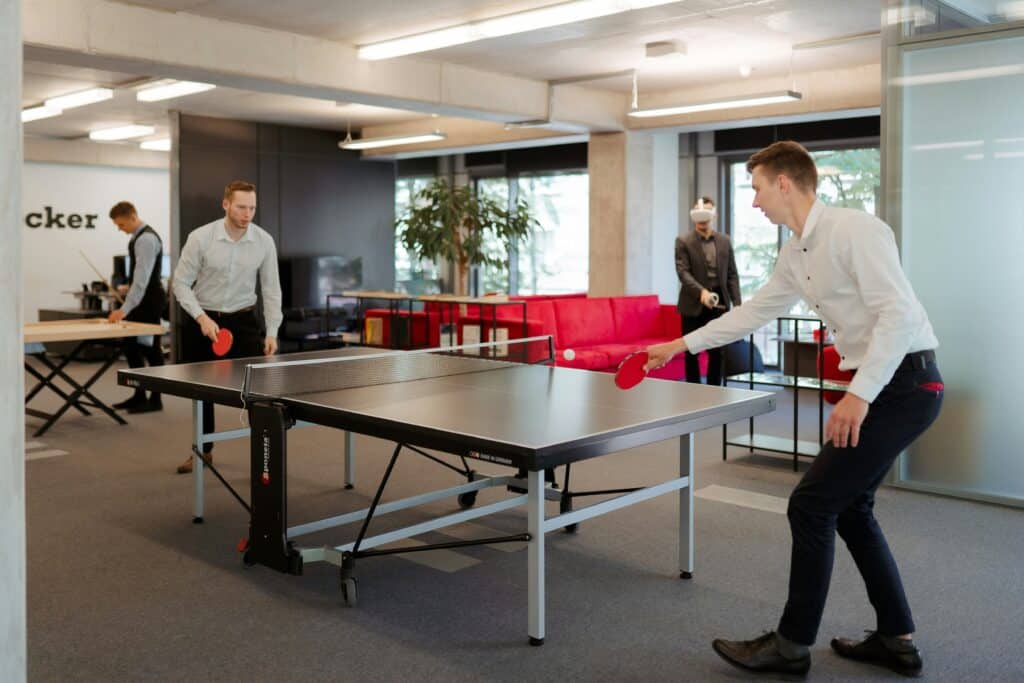
IMAGE: UNSPLASH
Make It Purpose-Driven
The best team events are built with a goal in mind. Whether the aim is to spark creativity, reward performance, or bridge silos between departments, clarity about the objective ensures every element of the event supports that aim.
When employees understand the purpose behind the gathering, they’re more likely to engage authentically and participate with enthusiasm rather than obligation.
Purpose shapes the structure and flow of an event. A knowledge-sharing goal might inspire lightning talks or collaborative innovation sessions. A morale-boosting aim could lead to wellness days or celebratory outings.
Lacking a clear purpose risks creating an experience that feels hollow or out of touch—something employees attend, but don’t connect with. A well-defined goal ensures the event supports the broader mission of the company.
Encourage Organic Interaction
When team members only interact with their closest work friends, the chance to form new bonds gets lost. Event planners should structure moments that encourage employees to mix in new ways.
One simple way to do this is by using a random group generator, which helps break up cliques and introduces fresh perspectives without making it awkward. This tactic ensures that employees who may not typically collaborate still get the opportunity to connect.
This method works well for both large-scale and small-scale events. Whether it’s a scavenger hunt, design challenge, or collaborative brainstorming session, changing the team dynamic pushes individuals to communicate with new colleagues.
These moments build rapport that carries over into day-to-day work, resulting in stronger cross-functional relationships and smoother collaboration across departments.
Align Events With Company Culture
The tone, setting, and style of a team event should reflect the company’s identity. A startup with a laid-back culture might choose outdoor picnics, themed costume days, or gaming tournaments.
Meanwhile, a professional services firm may opt for culinary classes, community service projects, or innovation sprints that still allow space for fun but maintain professionalism.
Company values should guide the event from start to finish. If sustainability is a core principle, activities might include eco-friendly workshops or volunteering at a local garden. If creativity is celebrated, think design jams or storytelling slams.
A cultural mismatch—like hosting a high-energy party for a reserved team—can lead to disengagement. Matching the event tone with the company identity helps employees feel like the experience genuinely belongs to them.
Offer Variety Over Time
One of the fastest ways to lose engagement is to run the same type of event on repeat. While consistency in cadence helps build anticipation, diversity in format keeps things fresh and inclusive.
Rotating between competitive, creative, social, and educational events allows employees with different interests to participate meaningfully and feel represented.
For example, a company might alternate monthly between trivia nights, speaker panels, volunteer outings, and team-building games. This approach ensures no single personality type dominates the planning. It also keeps teams curious and excited about what’s coming next.
A varied calendar acknowledges that teams are made up of diverse individuals, each with different energy levels, schedules, and preferences. This inclusivity leads to better participation and stronger connections.
Ask For Input And Act On It
Employees are far more likely to participate in events they helped shape. Regularly gathering feedback—whether informally or through structured surveys—provides insight into what people enjoy or want to try. But simply collecting input isn’t enough. Leaders need to show that feedback translates into real changes.
That might mean shorter events during busier seasons, adding quieter activities for introverts, or reviving a fan-favorite format from last quarter. Small adjustments based on honest suggestions can have a large impact on engagement. When teams see that their voices matter, they become more invested in the experience.
Participation becomes voluntary and enthusiastic, not perfunctory.
Tie Participation To Recognition
While attendance should never be mandatory, recognizing participation can encourage greater involvement. This doesn’t mean handing out trophies for showing up, but thoughtful acknowledgment goes a long way. Shout-outs in team meetings, digital badges, or small thank-you gifts add a personal touch that signals appreciation for involvement.
Recognition can also focus on behavior that aligns with team values. A person who supports quieter colleagues during a group activity, shows leadership, or sparks laughter and connection can be spotlighted. These gestures help create a culture where participation isn’t just welcomed—it’s celebrated.
Over time, they contribute to stronger morale, deeper respect among peers, and higher event turnout.
Team events are one of the most flexible and enjoyable tools available for cultivating an engaged, connected workplace.
When planned with clear intention, cultural alignment, variety, and team input, they become more than just breaks from work—they become meaningful moments that energize people, reinforce values, and build lasting human connections.
COMMENTS