


Accessibility is central to user experience design. Prioritizing it from the start opens digital spaces to all, not just a few. Accessible design supports all users, drives business growth, and reflects strong brand values. It’s not just a technical task but a responsibility.
Centered on ethical commitment and practical returns, accessibility benefits individuals, strengthens reputations, ensures compliance, and gives organizations every reason to make it a day-one priority
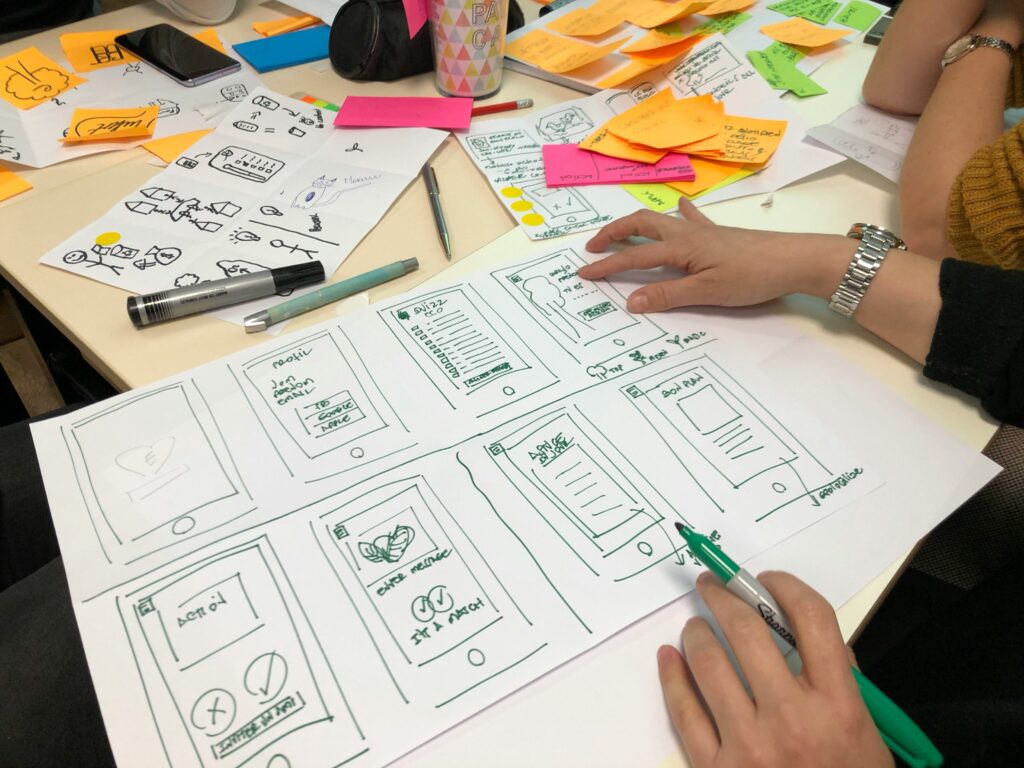
IMAGE: UNSPLASH
The Essential Role Of Accessibility In User Experience Design
Accessibility in UX refers to designing products that everyone, regardless of ability, can use and enjoy. This means reducing barriers so people can access content, tools, and services with ease.
Screen readers, keyboard navigation, text alternatives for media, and color contrast guidelines all serve as examples of accessible choices.
This approach starts with a simple idea: nobody should be left out. Many people live with temporary, permanent, or situational disabilities. Others may struggle due to language barriers, aging, or changing tech access.
Building for everyone does not slow progress; it often leads to better, simpler solutions for all users.
Accessibility brings UX closer to its main goal, which is making digital tools usable and welcoming. Rather than treating accessibility as a late fix, integrating it from the outset saves time, money, and reputation later. It makes products versatile and robust, able to reach a wide audience without compromise.
Equitable Access For All Users
“A truly accessible product supports fair access for every user, removing roadblocks that may keep people away,” says Jeremy Millul, a Junior Software Developer whose specialty focuses on user design. “If a website doesn’t work with a screen reader, a blind person faces exclusion. If colors blend or buttons have tiny text, someone with limited vision or dexterity may struggle.”
Accessible design is equality in action. It listens to the needs of people with mobility, vision, hearing, or cognitive differences and answers with clear solutions. Text alternatives for images, easy-to-read layouts, and captions for video bring value to those often left behind.
When designers think about equal access, they build trust into every interaction. Users can feel the difference between a site thrown together and one that invests in their needs. Accessibility is patience made visible. It signals that everyone, regardless of their body, mind, or situation, deserves to participate.
Wider Impact Beyond Disabilities
While accessibility supports people with clear disabilities, its benefits reach much farther. Someone pushing a stroller with one hand, a person recovering from an injury, or a traveler with weak Wi-Fi all have unique needs.
They might only face them for a few minutes or days, but inaccessible design still locks them out.
An older adult facing vision or memory changes will find that clear fonts, strong color contrast, and well-placed navigational aids make digital life easier. People learning to use touchscreens or voice commands need interfaces that don’t overcomplicate choices.
Students or professionals using a phone in bright sunlight will prefer text that stands out and simple controls.
Accessibility even bridges tech gaps. Low-bandwidth users benefit from pages that load quickly and offer text-based options. Responsive layouts and scalable fonts support people using all sorts of devices.
The ripple effect is hard to miss. When a designer improves one small piece for accessibility, everyone feels it. What helps a person with arthritis might also comfort a parent carrying groceries. Timed tasks and small hit areas create daily headaches for all users.
Design thinking anchored in accessibility gives products flexibility and staying power. Users stay longer, get more done, and recommend sites they trust. People return to digital spaces that feel built for real life, not just perfect conditions.
Business And Ethical Benefits Of Prioritizing Accessibility
For organizations, the question isn’t whether they can afford to care about accessibility. The real question is whether they can risk the outcome if they ignore it. Accessible design offers goodwill while more significantly opening new markets, dodging legal threats, and strengthening brand loyalty.
Aligning values with action drives long-term business health. Teams that recognize accessibility’s role in reducing risk, reaching all potential customers, and modeling social responsibility often outpace those who see it as optional. When people notice commitment to accessibility, trust and preference grow.
Financial gains can tie directly to accessible design. Sites and apps that avoid barriers also avoid bounce and abandonment. Shoppers complete sales, users stay engaged, and communities grow. Broad access isn’t charity; it’s smart business.
Reducing Legal And Compliance Risks
Global laws now require many digital products to meet accessibility standards. In the United States, the Americans with Disabilities Act (ADA) sets firm rules for digital equality. The Web Content Accessibility Guidelines (WCAG) offer worldwide benchmarks for accessible websites and applications.
Ignoring these rules comes with real threats. Lawsuits for inaccessible sites and apps have surged higher each year. Even large, well-known brands have faced costly settlements and public embarrassment because digital spaces locked out people with disabilities.
Complying with the ADA or following WCAG guidelines is a shield for organizational reputation and finances. When sites use clear labels, provide text for images, and support keyboard navigation, they meet both legal and ethical needs.
Adding accessibility late in the process often costs more, both in dollars and lost trust. By making accessibility a core part of UX design from the start, teams avoid scrambling to patch problems. Instead, they create smoother, lasting products ready for all users and legal demands.
Reputation, Reach, And Customer Loyalty
Brands that champion accessibility gain a strong public identity. People notice companies that value inclusion. They recommend those brands to friends and family and keep coming back themselves.
Accessible digital experiences speak louder than slogans. They build lasting loyalty. Shoppers, readers, and users who feel welcome become strong supporters. News spreads quickly. Good digital access draws more visitors, while barriers push people away.
When companies back up their words on inclusion by putting accessibility into every product, trust grows. That trust turns into repeat business and a broader reach. Competitors who skip these steps soon fall behind as expectations shift.
Accessibility needs to remain at the heart of UX design. By supporting fair access, designers help everyone, not only those with visible or permanent disabilities. Benefits extend across society, touching older adults, busy parents, people with injuries, and users facing temporary challenges or slow internet.
Organizations that place accessibility at their core stand out. They lower legal risk, save money, and expand their customer base. Their brands draw loyalty and public approval, sending a clear message: everyone belongs.
Designers have both a duty and an opportunity. Putting accessibility first creates products that last. It drives real progress, shapes a future where technology serves every person fairly, and sets the stage for genuine trust.
Treating accessibility as an ongoing promise, not a one-time task, builds stronger digital experiences. With every decision, teams can open more doors, connect more people, and create lasting value for users and organizations alike.

COMMENTS