


The LinkedIn logo stands as a recognizable symbol in the professional networking landscape, evolving significantly since the platform’s inception in 2003. As a visual representation of the world’s largest professional network, this iconic emblem has undergone thoughtful transformations while maintaining its core identity throughout Microsoft’s acquisition and the platform’s growth to over a billion users worldwide.
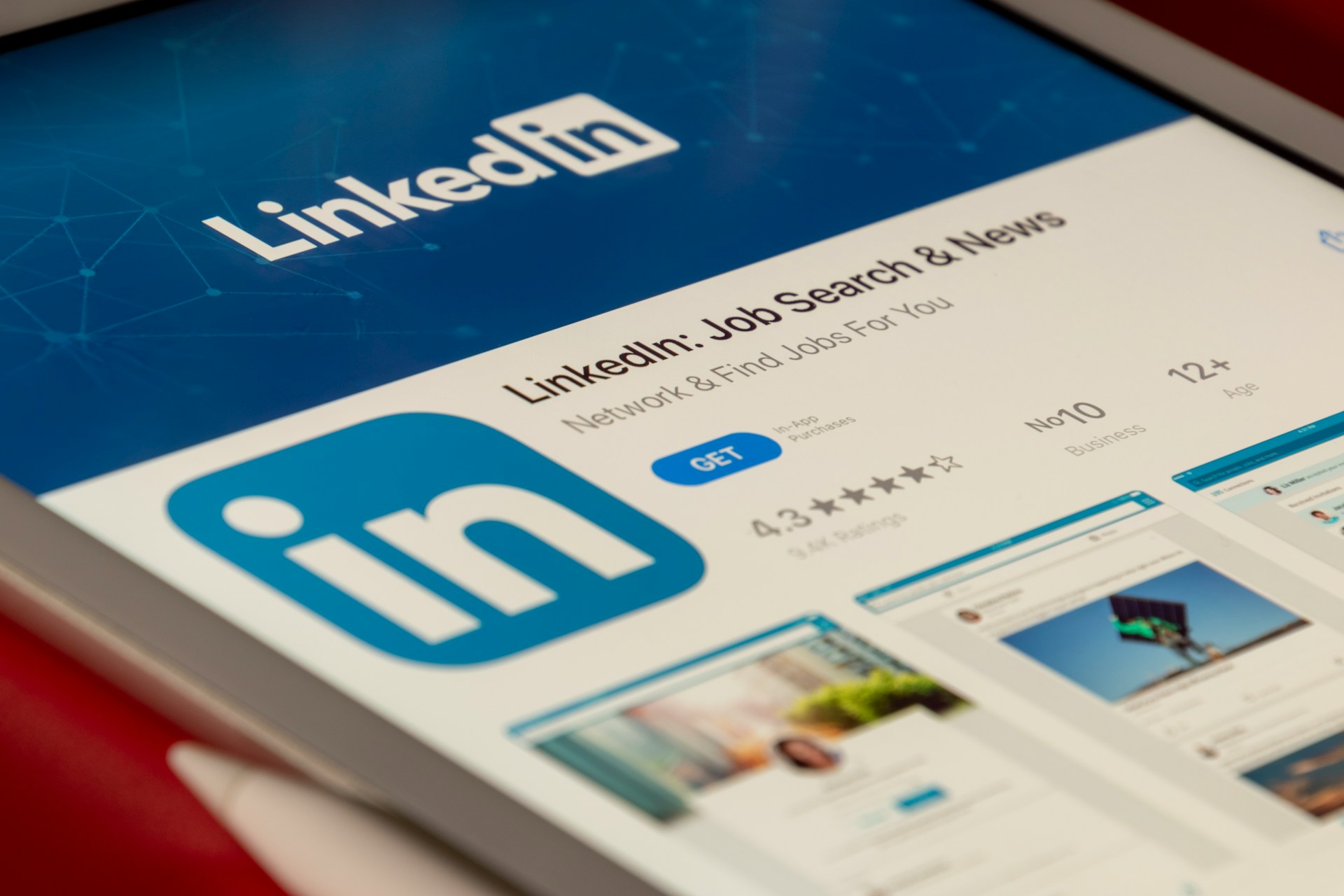
IMAGE: UNSPLASH
The Journey Of LinkedIn’s Visual Identity
LinkedIn’s visual identity has transformed alongside its expansion from a startup to a global networking giant. The subtle yet meaningful changes in its logo reflect the platform’s maturation and adaptation to changing digital landscapes while maintaining brand recognition among its diverse user base spanning 200 countries.
From Basic Wordmark To Modern Icon
The original LinkedIn logo from 2003-2011 featured a distinctive split design with bold black “Linked” lettering paired with a blue square containing a white lowercase “in.” The typography resembled fonts like Radiate Sans Bold and LCT Picón Bold. This initial logo LinkedIn design established the foundation for the brand’s visual language.
The 2011 redesign brought refinements with the introduction of Avenir Pro typeface and a brighter blue shade. By 2019, the company unified its wordmark by changing the previously black “Linked” to match the blue of the “in” square, creating a more cohesive appearance that better suited digital environments.
Key Design Elements Behind Each Version
Each iteration of the LinkedIn logo has been built around carefully selected design elements that communicate the brand’s values. The font has evolved from the original variant of Myriad Pro to current options including Source Sans in Light or Semi-bold weights.
The signature blue color (HEX code #0077B5) has been consistently central to the brand, though its exact shade has been adjusted over time – most notably deepening in 2021 to create stronger contrast and evoke feelings of stability, trustworthiness and professionalism.
The blue square with its white “in” symbolizes connectivity, with the four overlapping sections representing people, knowledge, opportunities, and insights that form the core of LinkedIn’s value proposition to its 39% premium membership base.
Best Practices For LinkedIn Logo Implementation
LinkedIn stands as a cornerstone of professional networking with over a billion users across 200 countries. Since its founding in 2002 and launch in 2003, the platform’s visual identity has undergone significant evolution, reflecting its growth from startup to Microsoft-owned global powerhouse.
The logo has transformed from its original split wordmark design featuring black “Linked” text paired with a blue square containing white “in” text, to today’s unified blue design that projects confidence and professionalism.
Brand Guidelines For Professional Profiles
When implementing the LinkedIn logo on professional profiles or marketing materials, adherence to official guidelines ensures brand consistency. The current LinkedIn logo uses a variant of Myriad Pro font with specific color requirements: LinkedIn Blue (#0077B5), white (#FFFFFF), and black (#000000) when necessary.
For premium accounts, a distinctive gold variant (#A08333) represents the enhanced status. The logo should maintain adequate clear space around it to preserve its visual integrity. While customizing your LinkedIn profile URL can enhance your professional brand, you must respect the platform’s visual identity by using only official logo versions available in PNG, SVG, and JPG formats.
This careful implementation reinforces your connection to LinkedIn’s professional network while maintaining the trust and reliability symbolized by the blue color palette chosen to inspire confidence in users.
Common Logo Usage Mistakes To Avoid
Many professionals unintentionally misuse the LinkedIn logo, undermining both platform guidelines and their own credibility. Avoid modifying the logo’s proportions, as stretching or compressing distorts its carefully crafted design.
Never alter the official LinkedIn blue (#0077B5) to match your brand colors—this distinctive shade represents trust and professionalism central to LinkedIn’s identity. Refrain from using outdated versions of the logo from its previous iterations (2003-2011, 2011-2019, or 2019-2021), as these no longer represent the current brand.
The logo should appear with sufficient contrast against backgrounds, maintaining legibility across all sizes. Using unofficial creative variations may seem innovative but violates brand standards established since Microsoft’s acquisition in 2017. For B2B marketing materials, resist the temptation to combine the LinkedIn logo with other elements or incorporate it into custom designs.
Remember that LinkedIn’s visual identity evolved strategically through multiple redesigns, each refining the typography and blue square that symbolize inclusion and connectivity in the professional world.
COMMENTS