


Conventional farming has faced numerous challenges in recent years, including climate change, urbanization, and diminishing arable land. As growers seek innovative ways to maximize yield while minimizing resource use, greenhouses have emerged as a powerful solution for large–scale crop production.
These structures extend the growing season and offer precise control over environmental conditions, paving the way for sustainable farming practices. Below are six key benefits of utilizing greenhouses for large-scale agricultural endeavors.
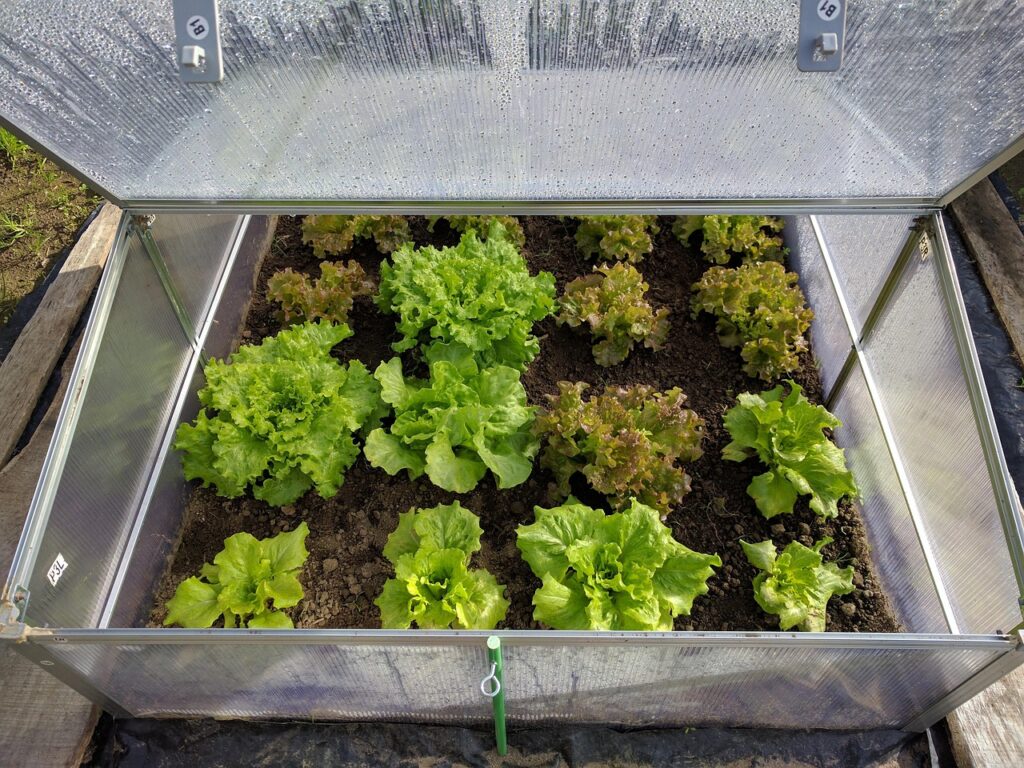
IMAGE: PIXABAY
Extended Growing Seasons
One of the standout advantages of greenhouse farming is the ability to manipulate growing seasons. By providing a controlled environment, greenhouses allow for year-round cultivation, thus extending the growing period significantly.
The controlled climate protects crops from frost and adverse weather conditions, enabling farmers to plant early and harvest late in the year. This capacity boosts productivity and allows farmers to offer fresh produce even in off-peak seasons.
As a result, growers can take advantage of high market prices during these times, increasing profitability while enhancing food availability. Extended growing seasons can help meet local demand, reducing the need for long-distance imports and supporting community food security.
With thoughtful planning and the right greenhouse setup, farmers can enjoy more consistent yields and a more resilient agricultural operation year-round.
Enhanced Crop Yields
Greenhouses create optimal conditions for plant growth, significantly enhancing crop yields. Key factors such as temperature, humidity, and light can be controlled, maximizing photosynthesis and promoting faster growth rates.
According to various studies, crops grown in greenhouses can yield up to three times the amount compared to traditional open-field farming. This increase in productivity is crucial in regions where land availability is limited.
Advanced greenhouse technologies such as hydroponics and aeroponics are increasingly being adopted, pushing yield potentials beyond traditional soil-based agriculture. This means more food for consumers and supports sustainable agricultural practices by utilizing fewer resources.
Water Conservation
Water scarcity is one of the most pressing challenges in agriculture today, particularly in arid regions where water resources are limited. Greenhouse cultivation offers remarkable water efficiency when compared to conventional farming methods.
In a controlled environment, growers can employ drip irrigation systems that direct water precisely to the plants’ roots, reducing waste and runoff. Studies have shown that greenhouse farming can use up to 90 percent less water than traditional farming techniques.
This efficient use of water conserves this vital resource and reduces the cost associated with irrigation, making it financially attractive for large-scale farmers seeking sustainable methods.
Pest And Disease Management
Managing pests and diseases is a significant concern for farmers, often leading to extensive use of chemical pesticides and fertilizers. Greenhouses offer a controlled environment that can help mitigate these issues. The enclosed nature of a greenhouse significantly reduces pest populations and minimizes the risk of crop diseases spreading.
Many growers adopt integrated pest management (IPM) strategies, which combine biological controls with minimal chemical interventions. Such practices promote biodiversity and lower chemical residues in the food supply.
By reducing the reliance on pesticides, greenhouse farming ensures healthier crops and promotes a more sustainable and environmentally friendly approach to agriculture.
Accessibility To Reliable Market Demand
With an ever-increasing population, the demand for fresh produce continues to rise. Investing in reliable commercial greenhouses can equip farmers to meet this demand consistently. Greenhouses enable farmers to provide high-quality food at a steady pace, helping them build relationships with retailers that require regular supplies.
Controlled cultivation allows for adherence to sustainable practices, which increasingly attracts consumers concerned with food ethics, safety, and environmental impacts. As market preferences shift toward sustainable products, greenhouse-grown foods match these expectations, providing a stable and lucrative market position for producers.
Farmers can diversify their offerings and adapt to changing market trends, ensuring their business grows with consumer preferences. The myriad benefits of using greenhouses for large-scale crop production highlight their critical role in modern agriculture.
As the demand for efficient, sustainable farming practices increases, more farmers are turning to this innovative solution.
Improved Quality Of Produce
The controlled conditions of greenhouse farming lead to an improvement in the quality of the produce. By ensuring optimal temperature, humidity, and light levels, crops tend to have better flavor, texture, and nutritional value.
For growers aiming to supply supermarkets and restaurants, the quality of produce can significantly impact marketability. Higher standards of production lead to higher prices in the market, which benefits growers financially. Ensuring a consistent output of high-quality products can bolster a farmer’s reputation and attract loyal customers.
This focus on quality may result in less waste, as fresh produce has a longer shelf life and reduced spoilage.
By harnessing technology and sustainable methodologies, greenhouses can enhance productivity, conserve resources, and significantly improve produce quality. Investing in commercial greenhouses opens up opportunities for increased yields and profitability and promotes environmental stewardship.
In such a challenging agricultural landscape, greenhouses offer a beacon of hope and innovation, paving the way for the future of farming.

COMMENTS