


Cleaning has always been part of daily life. Not dramatic. Not optional. Just something that quietly eats into evenings, weekends, and mental space. A few minutes here. An hour there. Add it up over a year, and the number gets uncomfortable. This is exactly why approaches focused on quiet maintenance – the kind used by services like Raccoon Cleaning in Naperville – have started to feel more relevant than traditional “big clean” thinking.
The good news is that cleaning is changing. Not in a “robots do everything” fantasy way, but in small, practical shifts. Smarter gadgets. Better habits. Less repetition. Not by cleaning more. But by cleaning less often and more intentionally. Let’s look at what’s actually making the difference.
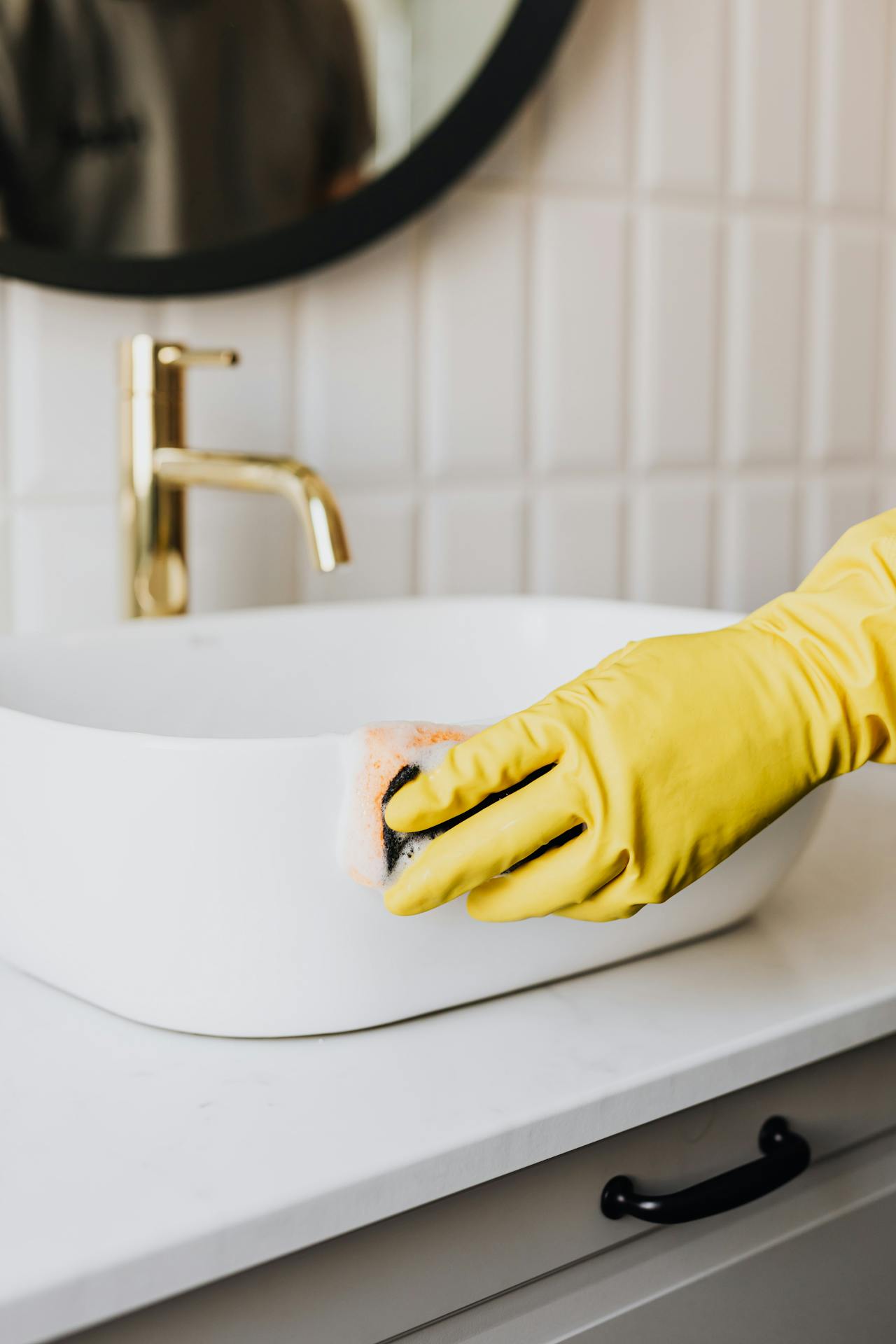
IMAGE: PEXELS
Cleaning Gadgets That Work In The Background
The biggest shift is simple: cleaning no longer requires your full attention. Take a robot vacuum running three times a week. Not once, not occasionally – consistently. Floors never reach the point where manual vacuuming becomes urgent. Dust and crumbs are removed before they turn into a visible mess.
The same applies to robotic mops and hybrid devices. Floors no longer demand a dedicated cleaning session. They stay acceptable by default, with occasional manual intervention rather than constant effort.
In larger homes and apartment buildings, compact autonomous cleaners are already common in offices, hotels, and retail spaces. What works there tends to reach households next, and it’s the same maintenance-first logic many modern cleaning services, including Home Cleaning Services in Naperville, already apply. The time savings come from removing routine, not eliminating deep cleaning entirely.
Smarter Cleaning Products, Fewer Steps
Cleaning products are evolving too, even if the packaging looks familiar. An enzyme-based kitchen cleaner, for example, can replace three separate products: one for grease, one for food residue, one for odors. Instead of scrubbing harder, you wait a little longer and let chemistry do the work.
Concentrated formulas reduce product switching. Multi-purpose solutions mean fewer bottles, fewer decisions, fewer steps. This matters because cleaning time isn’t only physical. It’s also mental. Simpler systems save time quietly.
Sensors And Automation You Barely Notice
In professional cleaning, sensors already decide when and where cleaning is needed. Homes are slowly catching up. Air quality monitors detect dust and allergens. Smart ventilation systems respond automatically. Some vacuums adjust power based on dirt levels. Others notify you only when maintenance is actually necessary.
The habit shift here is important. You stop cleaning “just in case.” You clean when there is a reason. That alone removes hours of unnecessary work.
Habits That Quietly Change How Often You Clean
The biggest difference isn’t how fast things get cleaned. It’s how rarely they get messy in the first place. In homes where cleaning takes less time, it’s usually not because someone is more disciplined. It’s because fewer decisions are needed. Shoes end up in the same place. Surfaces get wiped before stains settle in. Laundry doesn’t wait until it becomes a weekend problem.
Nothing here feels like a “system.” There are no rules pinned to the fridge. Things just happen earlier, in smaller moments, when they’re easier to deal with. This is what changes the rhythm of cleaning. Not effort. Timing.
Once the mess stops piling up, cleaning stops feeling like a task you need to prepare for. It becomes something that fits into the day instead of taking it over. And that’s where the time really goes.
Fewer “Big Cleans,” More Maintenance
Deep cleaning still exists, but it happens less often. Floors stay reasonably clean. Bathrooms never fully fall apart. Kitchens don’t reach chaos before being addressed.
This mirrors what already happens in professional environments. Maintenance beats recovery every time. The result is fewer full Saturdays lost to cleaning.
Time Savings Aren’t Evenly Distributed
It’s important to be honest about one thing. Cleaning time has never been shared equally. Studies consistently show this gap. New technologies help, but they don’t automatically change behavior.
That said, when routine tasks disappear or shrink, the imbalance becomes harder to ignore. Work becomes more visible. More negotiable. Time saved is not only personal. It’s social.
What The Future Of Cleaning Actually Looks Like
Cleaning happens alongside life, not instead of it. Devices run while you’re busy elsewhere. Products work with fewer steps. Habits prevent mess before it grows. And the biggest shift is psychological. Cleaning stops feeling endless. The future of cleaning isn’t about spotless homes. It’s about time: time to rest, time to work, time to do nothing useful at all.
If a few gadgets, better habits, and maintenance-focused approaches like those used by Raccoon Cleaners can give you back around 100 hours a year, that’s not a lifestyle upgrade. That’s a structural change in daily life. And those are the changes that last.
COMMENTS