


Growing older brings wisdom and life experience. It also brings change. Friends may move away, and children may grow busy with their own families. Health may limit travel or social events. Over time, these changes can lead to isolation.
Feeling alone is not just about being by yourself. It is about missing connection and support. Understanding why isolation happens is the first step toward preventing it.
If you want to learn the main reasons older adults feel isolated, keep reading.
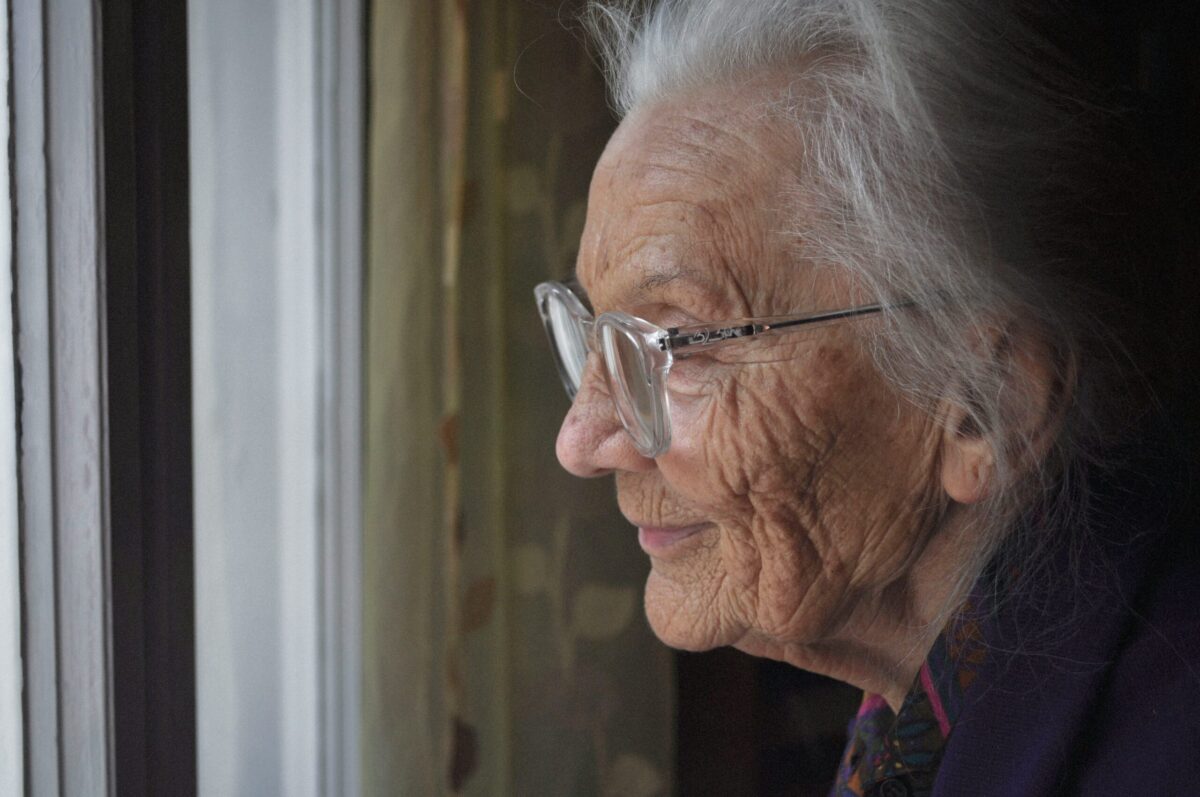
IMAGE: UNSPLASH
Loss Of Loved Ones
One of the biggest reasons seniors feel isolated is the loss of loved ones. A spouse, sibling, or close friend may pass away. These losses can leave a deep emotional gap.
Grief can make social activity feel difficult. Some older adults may withdraw from others while they process their sadness.
Over time, this withdrawal can lead to long periods of loneliness. Without strong support during these moments, isolation can grow quietly.
Health And Mobility Challenges
As people age, physical health often changes. Joint pain, vision problems, or chronic illness can limit movement. When leaving the house becomes hard, social visits may become rare.
Some seniors stop driving due to safety concerns. Without transportation, simple trips to the store or community center can feel impossible.
Reduced mobility does not only affect the body. It also affects social life. When movement is limited, connection may suffer.
Retirement And Loss Of Routine
Work provides more than income. It offers structure, purpose, and daily interaction. When older adults retire, they may lose regular contact with coworkers.
The sudden change in routine can feel empty. Without planned activities, days may seem long and quiet and this shift can increase feelings of isolation. Finding new hobbies or volunteer work can help, but not everyone knows where to start.
Family Distance And Busy Schedules
Families today often live far apart. Children may move to other cities for work. Grandchildren may have busy school and activity schedules.
Even when family members care deeply, time and distance can reduce visits. Phone calls and messages help, but they may not fully replace face-to-face contact. Older adults may hesitate to ask for attention because they do not want to feel like a burden.
Technology Barriers
Modern communication often happens online. Video calls, social media, and messaging apps keep people connected. However, some seniors feel uncomfortable using new technology.
Without digital skills, they may miss out on conversations and updates. This gap can increase feelings of being left behind. Learning basic technology skills can open new doors, but support is needed to build confidence.
Limited Social Opportunities
Some seniors live in areas with few community programs. Others may not know about local events designed for older adults.
Communities that focus on combating isolation in senior living often create group activities and shared spaces to encourage connection. When opportunities are available, it becomes easier to build friendships. Without these programs, isolation can continue unnoticed.
Understanding To Create Change
Isolation does not happen overnight. It grows through loss, health changes, distance, and routine shifts. By recognizing these main factors, families and communities can respond with care.
Small steps, such as regular visits, social programs, and better transportation options, can make a difference. Aging does not have to mean being alone. With awareness and support, older adults can stay connected and valued throughout every stage of life.
COMMENTS