


When most people think of gum disease treatment, they picture invasive surgery, stitches, and long recovery times. But modern dentistry is changing fast—and lasers are leading the way. For periodontists, who specialize in treating gum disease and other conditions affecting the structures around the teeth, laser therapy has become one of the most powerful tools available.
In this article, we’ll explore how laser gum therapy works, why periodontists use it, and what it means for your dental health and comfort.
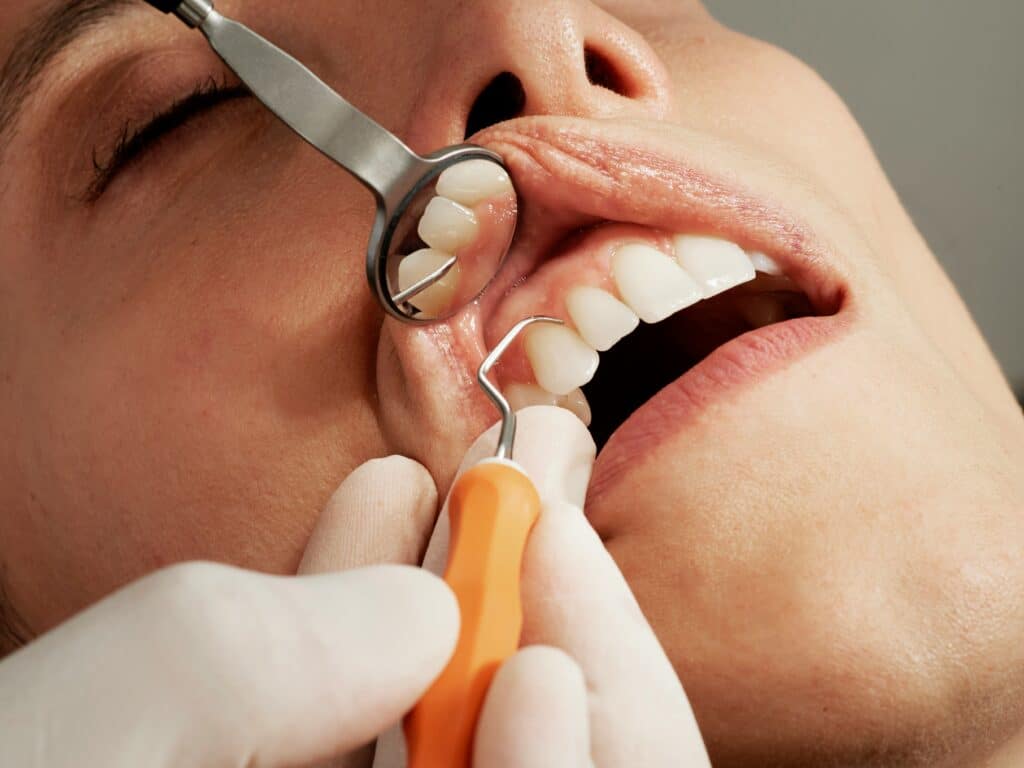
IMAGE: UNSPLASH
What Is Laser Gum Therapy?
Laser gum therapy is a minimally invasive dental treatment that uses focused beams of light to target infected or diseased gum tissue. Rather than cutting into the gums with traditional surgical tools, periodontists use precise laser wavelengths to:
- Remove bacteria
- Reduce inflammation
- Stimulate healing
- Reshape the gums
The laser acts as both a cutting tool and a sterilizer, reducing the risk of infection and speeding up the healing process.
Why Periodontists Use Lasers
Periodontists are specialists trained to treat gum disease (also called periodontal disease) and perform advanced procedures like bone grafts, implant placement, and tissue regeneration. Traditionally, treating moderate to advanced gum disease required scalpel surgery, which involved:
- Deep cuts into the gums
- Removal of diseased tissue
- Sutures (stitches) to close incisions
- Significant swelling and bleeding
With lasers, periodontists can now perform many of these procedures with less trauma to the surrounding tissue. Here’s why they prefer laser treatment:
- Precision: Lasers can target only the infected tissue, leaving healthy gum intact.
- Less Pain: Laser therapy is generally more comfortable than traditional surgery, often requiring little or no local anesthesia.
- Faster Healing: Patients typically recover faster with minimal swelling or bleeding.
- Reduced Risk of Infection: Because lasers sterilize as they work, there’s a lower chance of post-operative infection.
- Better Outcomes: Some studies suggest laser therapy may lead to more effective regeneration of gum and bone tissue.
How Laser Therapy Treats Gum Disease
Gum disease begins when plaque (a sticky film of bacteria) builds up on the teeth and hardens into tartar. This causes inflammation in the gums, known as gingivitis. If left untreated, it can progress to periodontitis, where the gums pull away from the teeth and bone loss occurs.
Here’s how laser therapy helps at each stage:
Stage 1: Gingivitis
- Lasers can gently remove plaque and bacteria from around the gumline.
- This reduces inflammation and helps reverse early gum disease.
Stage 2: Moderate Periodontitis
- Lasers are used to access the infected pockets between teeth and gums.
- Diseased tissue is vaporized without cutting into the gums.
- Root surfaces are cleaned with ultrasonic tools or hand instruments.
Stage 3: Advanced Periodontitis
- Lasers can help decontaminate deep periodontal pockets.
- Some lasers (like LANAP® protocols) encourage tissue regeneration and bone growth.
- In certain cases, lasers may replace traditional flap surgery.
Types Of Lasers Used by Periodontists
Different types of dental lasers serve different purposes. The most commonly used in periodontal therapy include:
- Diode Lasers: Best for soft tissue procedures, kills bacteria and reduces inflammation.
- Er:YAG Lasers: Used for both hard and soft tissue, precise and minimally invasive.
- Nd:YAG Lasers: Targets diseased tissue without damaging healthy tissue, helps seal blood vessels.
What To Expect During Laser Gum Treatment
If your periodontist recommends laser therapy, here’s what a typical procedure may look like:
- Consultation and Diagnosis: Evaluation, X-rays or scans, gum pocket depth measured.
- Treatment Day: Local anesthesia (if needed), laser removes diseased tissue, roots cleaned.
- Post-Treatment Care: Most patients return to normal activities same day, mild soreness possible.
Are There Any Risks?
Laser gum therapy is considered safe and effective, but like all procedures, it requires proper training and precision. Risks may include:
- Overheating of tissues if the laser settings are incorrect
- Delayed healing if lasers are misused
- Inconsistent results if combined with poor home care
That’s why it’s important to choose a board-certified periodontist with experience in laser dentistry.
Real Patient Benefits
Patients who have undergone laser gum therapy often report:
- Less pain and anxiety than traditional surgery
- No need for stitches
- Shorter appointments
- Faster return to normal eating and oral care
One patient described it as “the easiest dental procedure I’ve ever had.”
Is Laser Gum Therapy Right for You?
Laser treatment isn’t for everyone. The right approach depends on:
- The severity of your gum disease
- Your overall health and medical history
- The technology available in your periodontist’s office
Your periodontist will help you decide whether laser treatment is the best option for your specific case.
Final Thoughts: Light That Saves Your Smile
Laser gum therapy represents a major leap forward in periodontal care. With better precision, less pain, and faster healing, it’s no wonder more periodontists are using light to save smiles every day.
If you’ve been putting off gum treatment because you’re afraid of surgery, laser therapy could be the gentle, effective solution you’ve been waiting for.
Interested in learning more? Visit konaimplants.com to explore services related to dental implants and Laser gum therapy.
COMMENTS