


The image of mountain living once conjured isolation by necessity. Remote properties required vehicles for every errand, every social engagement, every basic need.
Today, a different vision has captured buyer imagination: mountain towns where daily life unfolds on foot, where car keys can remain untouched for days, and where community connection happens through sidewalk encounters rather than scheduled appointments. This walkability factor has become a defining priority for new mountain home buyers.
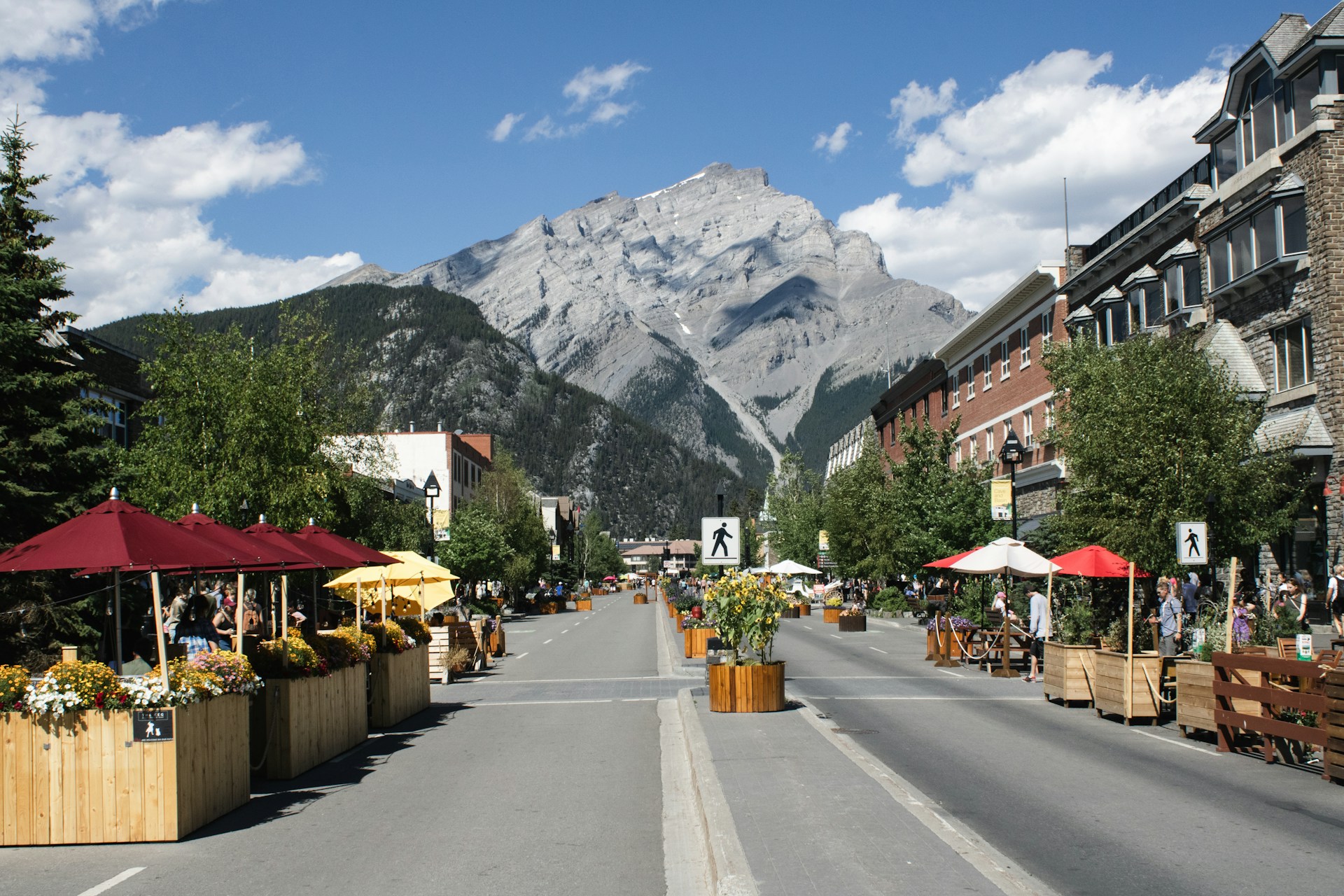
IMAGE: UNSPLASH
Reclaiming Time and Simplicity
Walkable mountain towns return something precious that car-dependent living quietly steals: time. The accumulated hours spent driving to groceries, restaurants, and appointments represent life unlocked when these destinations exist within walking distance. Equally valuable is the mental simplicity of not planning logistics around vehicle availability, parking, and traffic.
New buyers, particularly those relocating from congested metropolitan areas, recognize this time dividend immediately. They calculate not just commute elimination from remote work but the broader liberation from automotive dependence that walkable communities provide. The appeal isn’t merely convenience—it’s a fundamental restructuring of how daily hours get allocated.
Health Integrated Into Routine
When walking becomes the default transportation mode, physical activity stops requiring discipline and becomes automatic. Residents of walkable mountain towns accumulate steps without fitness tracking or exercise scheduling. The coffee shop sits a quarter mile away. The grocery store requires a fifteen-minute stroll. Restaurants mean evening walks rather than parking searches.
This integration of movement into routine produces health outcomes that gym memberships and fitness resolutions struggle to match. Bodies stay active without the psychological friction of “exercising.” Mountain terrain adds elevation challenge that amplifies cardiovascular benefit. Buyers increasingly understand that walkable communities make healthy living the path of least resistance rather than constant effort.
Spontaneous Social Connection
Walkable environments create conditions for spontaneous human connection that driving cultures eliminate. When neighbors traverse shared sidewalks and trails, encounters happen organically. Relationships develop through repeated casual contact rather than formal scheduling. The familiar face at the bakery becomes an acquaintance, then a friend, through accumulated brief interactions.
This social dimension particularly attracts buyers seeking genuine community integration. They’ve experienced the isolation of garage-to-garage suburban existence and want something different. Walkable mountain towns deliver neighborhood life reminiscent of earlier eras when front porches and sidewalk conversations built social fabric naturally.
Year-Round Viability
Not all mountain walkability survives winter. Snow, ice, and cold can render pedestrian infrastructure unusable for months, forcing residents back into vehicles despite summer promises. Buyers have learned to evaluate walkability across all seasons before committing.
The most attractive walkable mountain communities invest in winter maintenance that keeps pedestrian routes viable. Heated sidewalks, prompt snow removal, and covered walkways extend walkable seasons significantly. Buyers researching Empire Pass homes for sale and similar mountain properties increasingly prioritize communities demonstrating year-round pedestrian commitment over those offering only fair-weather walkability.
Economic Advantages Compound
Walkable living generates economic benefits beyond time savings. Vehicle expenses—fuel, insurance, maintenance, depreciation—decrease substantially when cars become occasional tools rather than daily necessities. Some walkable mountain town households eliminate second vehicles entirely, redirecting thousands of annual dollars toward other priorities.
Property values in walkable areas have demonstrated resilience that car-dependent locations often lack. The scarcity of genuinely walkable mountain communities supports appreciation even during broader market corrections. Buyers recognize the investment dimension alongside lifestyle appeal.
Environmental Alignment
For environmentally conscious buyers, walkable communities align values with daily practice. Reduced driving means reduced emissions without sacrifice or inconvenience. The sustainable choice becomes the easy choice when destinations exist within walking distance. This alignment attracts buyers who want their housing decisions to reflect their environmental commitments.
The Complete Package
Walkable mountain towns ultimately offer something rare: the natural beauty and recreational access that define mountain living combined with the convenience and connectivity typically associated with urban environments. This combination once seemed impossible—mountains meant remoteness, walkability meant cities.
Communities that have achieved this synthesis attract buyers willing to pay premium prices for what they deliver. The demand reflects recognition that walkable mountain living represents not compromise between competing goods but integration of the best elements from different worlds. For buyers seeking this complete package, few alternatives compare.
COMMENTS