


Shopping can get frustrating. Finding the right size, color, or style often leads to wasted time and guesswork. Online shopping may feel even trickier without seeing how a product fits or looks in real life. These challenges leave many customers unsure about their purchases.
Here’s where Augmented Reality steps in. AR allows shoppers to try on clothes virtually or see furniture fit into their homes before buying. It blends the digital and physical worlds effectively, making choices easier for users.
This blog will show you how AR enhances shopping with practical tools, key examples, and notable trends shaping retail today. Stay curious—there’s more to discover below!
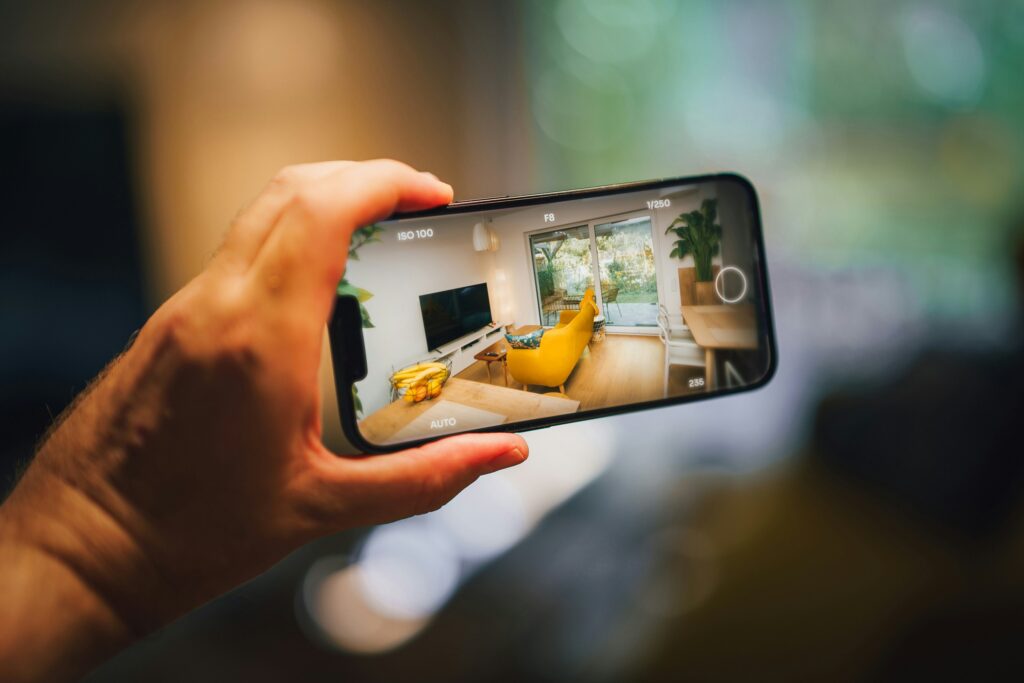
IMAGE: UNSPLASH
How AR Enhances Customer Engagement
AR makes shopping exciting by blending the virtual and physical worlds. It turns browsing into an interactive, hands-on adventure.
Virtual Try-Ons For Clothing, Makeup, And Accessories
Shoppers now expect convenience and accuracy when picking products online. Virtual try-ons allow customers to see how clothing, makeup, or accessories look on them without stepping into a store. This feature uses augmented reality to overlay items onto real-time images of the shopper through apps or websites. For example, AR in retail allows users to “try” dresses or jackets by simply using their smartphone cameras. Makeup brands use similar tools to show lipstick shades or eyeshadow directly on a user’s face.
Retailers gain more than just satisfied shoppers; they also solve common hurdles like sizing concerns and mismatched expectations. Fewer returns result when people can visualize exactly what they’re buying beforehand.
Accessories like glasses and earrings stand out, too, because buyers get clarity about fit and style instantly. “Seeing is believing,” holds for this tech as it turns browsing into confident purchasing decisions right at home.
Real-Time Product Visualization In Personal Spaces
Virtual try-ons let customers test appearances, but seeing products in their spaces changes the experience entirely. Augmented Reality lets users place items like furniture, home decor, or appliances directly in their rooms before buying.
Apps like IKEA Place allow shoppers to see how a couch fits into their living room with precise dimensions and colors.
This technology helps reduce mismatched purchases by showing instant results on a phone or tablet screen. Retailers offering this feature save time for buyers while enhancing confidence in online shopping experiences.
Behind the scenes, many retailers work with experts in Columbus IT consulting to integrate AR visualization tools securely and ensure they run smoothly across different platforms.
Interactive And Gamified Shopping Experiences
Gamified shopping transforms browsing into an enjoyable activity. Brands use augmented reality to create challenges, rewards, and games that entertain while promoting products. For example, treasure hunts in AR apps can direct shoppers to specific items within a store or online catalog.
Customers feel more connected, leading to higher retention rates.
Interactive features also captivate users during the buying process. Try integrating quizzes or mini-games connected to product recommendations. These tools encourage discovery while giving buyers personalized suggestions for their needs.
For reliable implementation of these interactive platforms, many businesses rely on Endurance IT to handle the technical support and system optimization that keeps gamified shopping experiences running without glitches.
Benefits Of AR-Powered Shopping
AR makes shopping more exciting and personal. It helps people feel confident about their choices before making a purchase.
Increased Personalization And Tailored Experiences
AR tools provide shopping experiences that feel personalized. By analyzing customer data, businesses present products and services tailored to individual preferences. Shoppers can explore options based on their likes, habits, and past purchases.
Virtual try-ons offer a specialized approach. Customers can see how makeup shades complement their skin or how furniture fits in their homes before making a purchase. This fosters confidence and makes decision-making easier for buyers while increasing satisfaction rates for retailers.
Improved Decision-Making And Reduced Return Rates
Personalized shopping experiences help customers make more informed choices. Augmented reality enables buyers to view products in their environment or try them virtually before purchasing.
This minimizes uncertainty and removes guesswork, whether it’s determining if a couch fits in a living room or if a lipstick suits a skin tone.
Better decisions lead to fewer returns. Shoppers are less likely to return items when they understand upfront how well something suits them. Retailers save on return logistics costs while enhancing customer satisfaction rates overall. It benefits both the consumer and the business owner.
Enhanced Customer Satisfaction And Brand Loyalty
AR-powered tools create highly engaging shopping experiences that feel personal. Customers can virtually try on products like clothes or cosmetics, building confidence in their purchases. Real-time product visualization allows users to see items like furniture in their own homes before buying, making decisions easier and more satisfying.
Interactive features keep shoppers interested longer. Game-like elements, such as rewards for participation or exclusive AR events, encourage repeat visits. These positive experiences strengthen customer trust and build loyalty toward the brand over time.
Examples Of AR In Retail
Big brands now use AR to bring products to life and make shopping feel more exciting—check it out!
Sephora’s Virtual Artist For Makeup Try-Ons
Sephora’s Virtual Artist allows customers to try on makeup digitally using augmented reality. This tool uses facial recognition to analyze a user’s face and display real-time product simulations like lipstick, eyeshadow, or blush.
Shoppers can test numerous shades without visiting a store. The feature helps businesses minimize product waste and returns while improving online purchases. It also provides customized shopping experiences that keep customers interested for extended periods.
IKEA Place For Furniture Visualization
IKEA Place uses augmented reality to assist customers in visualizing furniture in their homes. The app allows users to choose a product and position a 3D version of it into their actual space using their phone’s camera. It provides precise dimensions, ensuring buyers understand how pieces will fit.
Business owners can gather insights from this tool by examining its effect on decreasing purchase hesitation. When consumers see products incorporated into their environments, confidence increases. This method reduces returns while enhancing the overall shopping experience.
Nike’s SNKRS App For Gamified Product Drops
IKEA Place simplifies furniture shopping with AR, but Nike uniquely focuses on customization. The SNKRS app merges retail and gaming to create excitement around new product launches.
Users gain access to exclusive sneakers or “shock drops” by completing in-app challenges. Geo-targeted scavenger hunts and interactive quizzes make the buying process enjoyable. For businesses, this game-inspired approach keeps customers returning while generating enthusiasm for every release.
Future Trends In AR-Powered Shopping
AR technology will soon integrate into everyday shopping effortlessly. Retailers are already experimenting with faster, more captivating digital interactions designed for shoppers on the go.
AR Glasses For Seamless Experiences
AR glasses bring shopping to life by combining physical and digital environments. Shoppers can view 3D models of products directly in their actual surroundings. A customer looking at furniture could see how a sofa fits into their room effortlessly.
Businesses using AR glasses provide tailored shopping features seamlessly. Customers walk through stores while receiving instant product details or recommendations via the glasses’ display. This technology lays the foundation for quicker, enhanced interactions, preparing for integration with 5G technologies in the future.
Integration With 5G For Faster, Immersive Interactions
AR glasses open doors to more engaging digital interactions. Pairing them with 5G technology accelerates this shift in shopping experiences. Faster networks mean instant product renderings without delays or buffering. Customers can virtually try on products or place furniture in their homes at lightning speed.
Retailers can benefit from real-time data exchanges due to the low latency of 5G. This creates smoother, uninterrupted customer experiences during peak times. For instance, interactive shopping events and live AR demos would run effortlessly, even in crowded online sessions.
The faster connections also reduce frustration, keeping shoppers interested longer during their journey.
Conclusion
Augmented reality is reshaping shopping. It makes buying more fun, personal, and smart. Trying products virtually saves time and builds confidence. Brands that use it stand out in a crowded market. The future of retail looks brighter with AR at the helm!
COMMENTS