


In the global effort to combat climate change and protect biodiversity, groundbreaking research often leads the way. But research alone isn’t enough. A persistent challenge remains: translating knowledge into measurable action.
Around the world, institutions, communities, and policymakers are confronting this gap, often referred to as the “science-action divide.” Whether it’s a community restoring a degraded prairie or a government setting emissions targets, the path from data to impact is rarely straightforward.
Yet progress is happening. New frameworks, partnerships, and tools are showing how science can be transformed into policy and practice that makes a tangible difference.
As Anthony Tony Mattei puts it, “The real test of environmental research isn’t what gets published but what gets implemented. We’re finally seeing momentum shift toward solutions that integrate both.”
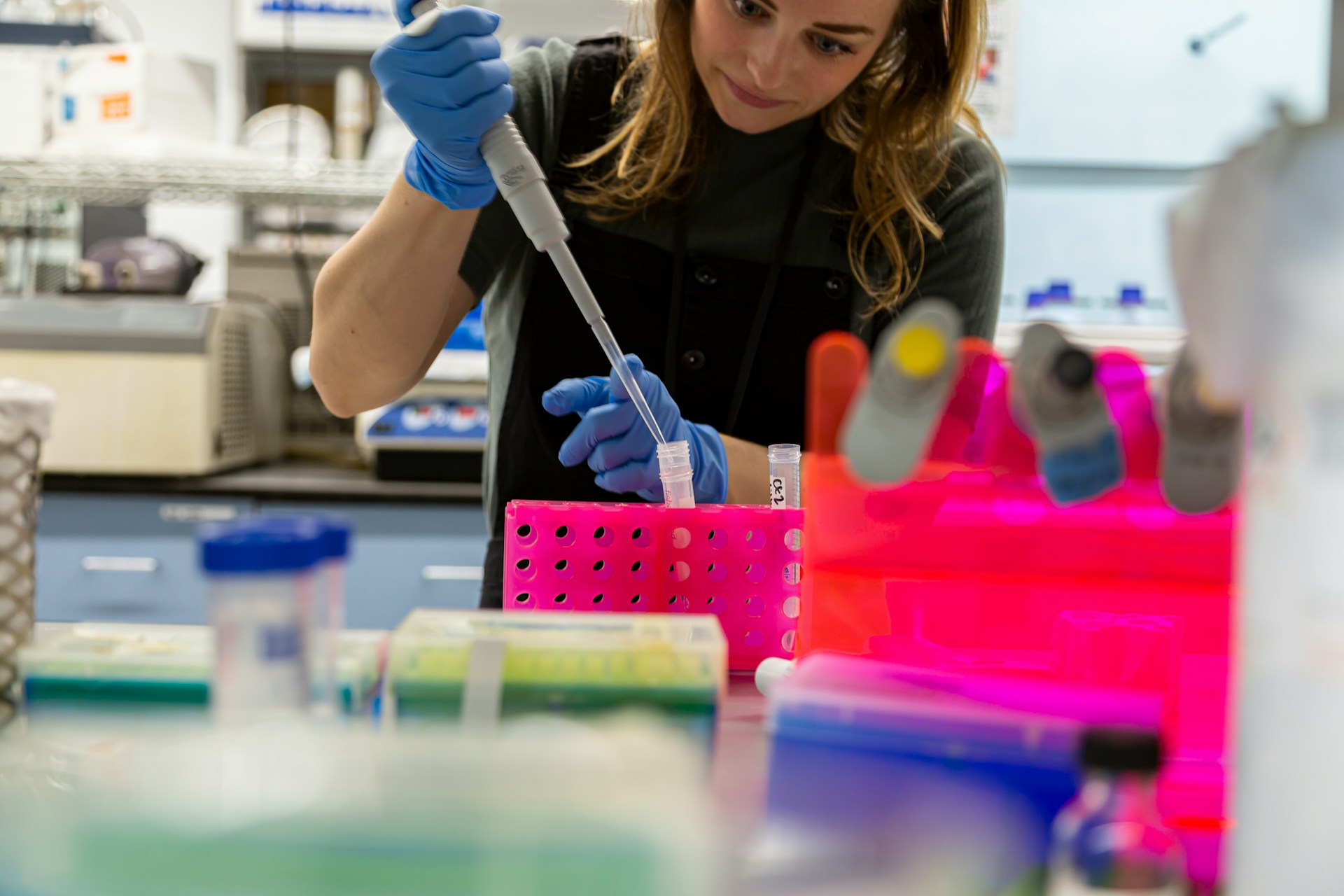
IMAGE: UNSPLASH
The Disconnect: Why Research Doesn’t Always Lead To Change
Environmental researchers have long provided compelling evidence of the dangers posed by climate change, biodiversity loss, and ecosystem degradation. Still, change has been slow. One reason lies in the differing priorities between scientists and policymakers.
Researchers work on long timelines, seeking rigor and precision. Policymakers often need quick answers to address immediate concerns, influenced by public opinion, budget constraints, and political cycles. These misaligned incentives make collaboration difficult. And when research findings are not clearly communicated, or when they arrive too late to inform decision-making, they risk being ignored altogether.
Compounding this challenge is the persistence of “akrasia,” the philosophical concept of knowing the right thing to do but failing to act. As ethicist Lisa Kretz has noted, many societies, particularly in wealthier nations, intellectually grasp the climate crisis but continue unsustainable behaviors due to comfort, disconnection, or political inertia.
Moving Toward Integration: The Rise Of Translational Approaches
The good news is that a new generation of sustainability science is emerging, one that actively integrates research, policy, and community action. Rather than treating knowledge as something to be handed off at the end of a project, many researchers now co-design their studies with stakeholders from the outset.
Knowledge Brokers In Action
Programs like the Superfund Research Program (SRP), funded by the National Institute of Environmental Health Sciences, require grantees to include “knowledge brokers,” individuals who translate complex findings for policymakers, regulators, and the public. These brokers serve as critical links between the lab and the legislature.
One example is the Brown University SRP, which addressed the public health risk of vapor intrusion from hazardous sites. By involving regulators early, researchers tailored their investigations to meet real-world decision timelines, helping inform policy changes that directly improved public health protections.
Design Science As A Bridge
Another powerful tool is the Design Science Research (DSR) approach, which treats sustainability challenges as design problems requiring practical solutions. In this model, researchers develop artifacts, such as decision tools, models, or new policies, and test them in real settings. In one case, DSR was used to co-create a water management model with local stakeholders in Australia, resulting in quicker adoption and stronger local ownership.
This approach not only narrows the gap between knowledge and action but also respects the value of local and practitioner knowledge. It recognizes that innovation doesn’t only come from universities; it often starts in the field.
Real-World Examples Of Research Driving Change
The most compelling evidence of progress comes from projects where science and community interests align to restore ecosystems or influence policy.
Rebuilding An Urban Prairie In West Austin
At Commons Ford Ranch Metropolitan Park, an overgrown, invasive-filled meadow was transformed into a biodiverse prairie through the collaboration of birders, ecologists, students, and local government.
The project began with community activism but grew into a living research laboratory. Associate Professor Amy Concilio and her students conducted vegetation surveys that confirmed the restoration’s success; data that now informs citywide conservation strategies. Their work is even being used as a case study in classrooms across the U.S.
University Of Bath’s Low-Carbon Research Culture
At an institutional level, the University of Bath offers a model for aligning research culture with climate goals. Nearly 40% of staff and students conduct research aligned with the 1.5°C climate target.
The university encourages practices that lower emissions, such as teleconferencing over air travel and using energy-efficient lab equipment. Surveys show strong community support for rewarding climate-conscious research, suggesting that academia can lead by example in sustainable operations.
Embedding Science In Policy: A Growing Global Priority
Multilateral organizations are also recognizing the need to close the science-policy gap. The United Nations has urged stronger integration between climate and biodiversity goals, calling for “evidence-based policymaking” across both the Paris Agreement and the Global Biodiversity Framework.
Efforts like the IPCC-IPBES collaboration are starting to address the historical siloing of climate and ecological science. Nature-based solutions, such as restoring forests or wetlands, are now being promoted not only for carbon sequestration but for their co-benefits, such as resilience, food security, and biodiversity.
However, experts caution that these solutions must be designed carefully. Monoculture plantations, for instance, may store carbon but harm ecosystems. That’s why bridging the research-action divide demands ethical consideration, cross-sector collaboration, and political will.
Final Thoughts
The challenge of environmental sustainability is not a shortage of knowledge. It’s a shortage of integration. But across campuses, city parks, and policy rooms, momentum is building. Researchers are working side-by-side with communities. Universities are modeling the change they want to see. And new frameworks are giving us the tools to act faster and more effectively.
The future of environmental sustainability hinges on our ability to make research usable, timely, and just. The question is no longer whether we know what to do but whether we’ll build the systems and relationships needed to do it.

COMMENTS