


Commercial printing, which serves the needs of businesses of every background, has evolved at a rapid pace. As technology continues to progress, things that were previously unimaginable are now part of everyday life.
Commercial printing has had a rapid transformation driven by those aforementioned technological advancements. We have come a long way from the printing press, and this technological evolution has led to major cost savings, higher-quality prints, and increased efficiency, among other things. These are the most critical advancements that are driving the industry forward and giving businesses more flexibility.
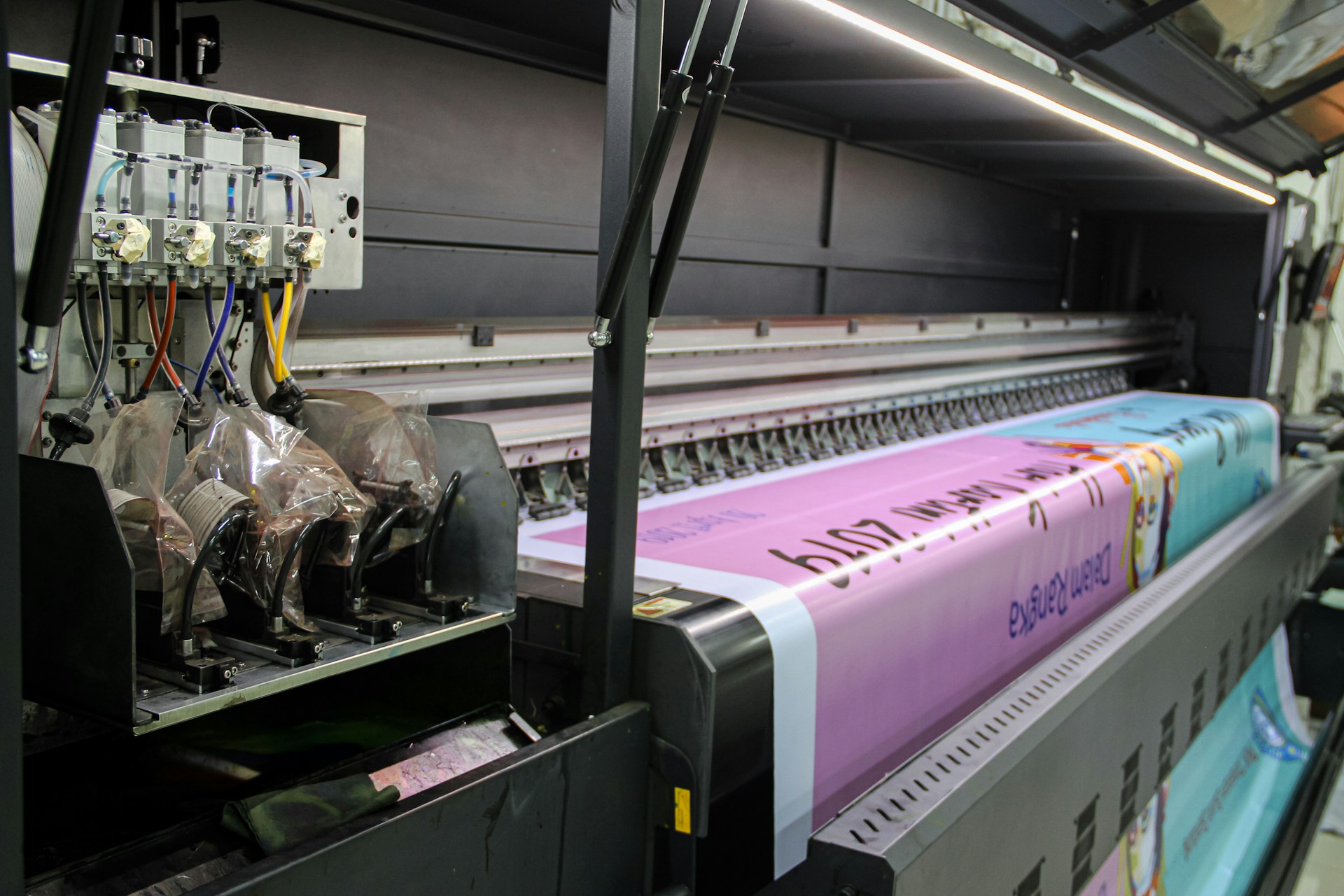
IMAGE: UNSPLASH
Analog To Digital
Though standards like A4 printing remain in essence, one of the most substantial changes to impact the commercial printing industry is the switch from analog printing to digital printing. More traditional printing, like offset printing or letterpress, is becoming more and more obsolete. These techniques take a lot of time to set up, require manual adjustments, and physical tools like printing plates.
Through digital printing, those steps are eliminated. Not only does that eliminate the costs involved in those processes and materials, but it also provides far better flexibility and faster turnaround times. Businesses are able to order materials on demand, cutting down on waste and even controlling print runs to keep costs in line. Variable Data Printing (VDP) allows for the utmost customization, which is becoming more valuable for direct mail and marketing campaigns.
The Changes In Offset Printing
Though traditional offset printing has undergone a drastic shift, offset printing as a whole is still very much around. With digital printing continuing to become more commonplace, offset printing is still a key part of the entire printing industry when it comes to larger print runs.
Improvements in technology, specifically as it relates to offset printing, have made the process far more streamlined. Things like computer-to-plate (CTP) systems have improved the overall quality of printing while drastically reducing errors. Most of the modern offset presses out there even have automation features that improve consistency and speed, which makes them far more efficient than they used to be.
Eco-Friendly Innovations
The shift toward more eco-friendly solutions is not just an issue facing the printing industry. The world at large is looking for better, more efficient solutions that reduce energy use and waste. Sustainability has become a huge focus specifically within the commercial printing industry.
Most new printing technologies put an emphasis on reducing the environmental impact that comes from print production. For instance, there are waterless offset printing machines that reduce chemical waste and water usage. There are vegetable- and soy-based inks that are much “cleaner” than petroleum-based inks. Recyclable paper and energy-efficient printing equipment are also becoming critical tools in this movement.
Workflow Integration And Automation
Close your eyes and point at an industry and it has no doubt been impacted by automation. It has practically revolutionized the world of commercial printing, reducing the need for manual intervention and totally streamlining workflows. Many modern shops utilize web-to-print solutions, giving customers the ability to customize designs, submit orders, and get instant quotes.
Automated workflows are constantly being tweaked in order to improve efficiency. This is achieved by looking for potential printing issues before they arise and before the production process begins. The entire printing process is then substantially sped up, which improves the level of efficiency and helps keep costs at a minimum. In business, margins are constantly shrinking but keeping overhead and production costs to a minimum can be a great way to improve quality while also maximizing margins to create a better and more profitable business model.

COMMENTS