


In today’s busy world of logistics and manufacturing, every wasted step adds up. Lost time, excess inventory, and unexpected downtime hurt both productivity and profits. Better efficiency helps companies save money and meet higher customer expectations. Now, data-driven process optimization is central to these improvements.
By using facts instead of guesswork, companies catch the hidden causes of delays and errors. These methods strip away waste in operations and support smarter decision-making at every level. Modern logistics and manufacturing must adapt to fast-moving markets.
Mistakes or slow responses can ripple through the supply chain, leading to missed orders and frustrated customers.
Data-driven tools give managers eyes and ears throughout the entire process. From factory floors to delivery routes, every step is measured and tracked. This approach uncovers issues as they happen, not after the damage is done. The result is smooth operations with repeatable success.
Respected data analyst Christopher Driskill explores eliminating inefficiencies in logistics and manufacturing.
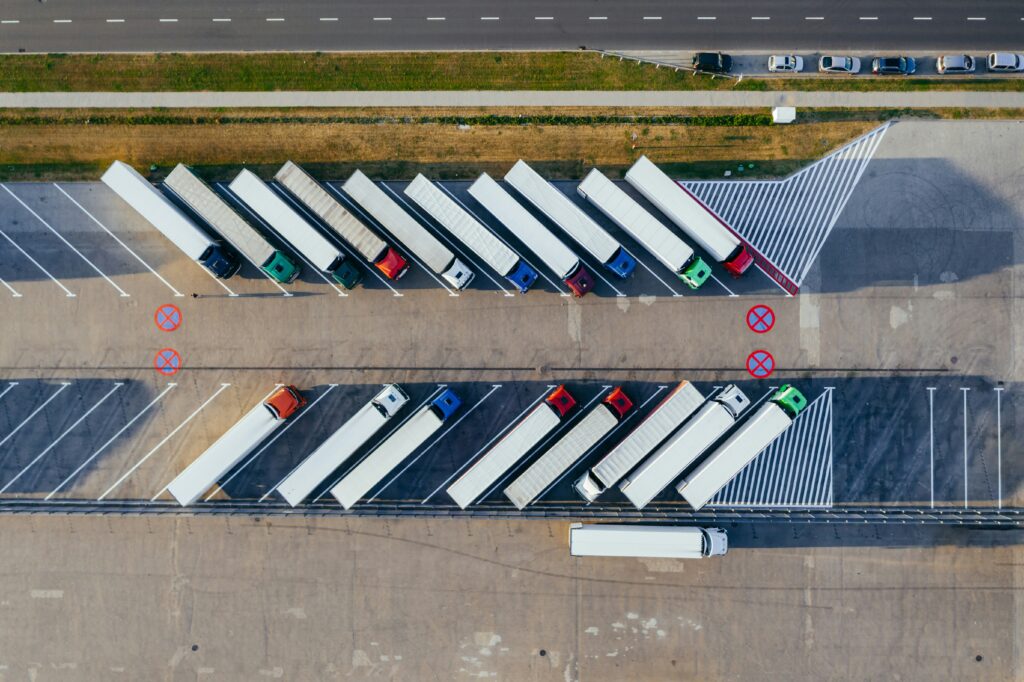
IMAGE: UNSPLASH
The Role Of Data In Identifying And Addressing Inefficiencies
Data has shifted the way companies find and fix inefficiencies. It’s like switching on a light in a dark room. Traditional methods relied on manual tracking or gut feelings, which left blind spots and delayed responses.
Now, with real-time and historical data, companies see the patterns that lead to slowdowns, mistakes, and rising costs.
Small glitches can stall entire systems. A late delivery, a slow machine, or a paperwork backlog can trigger wider problems in the supply chain. Data helps spot these weak points early. Companies track every moving part such as orders, production, and distribution.
By reviewing past records alongside live data, patterns begin to emerge. Managers can act before small issues become big ones. This new way of working turns hidden risks into open challenges that teams can address swiftly.
Data comes from many sources, each offering a different view of operations. Sensor data from equipment records temperature, vibration, speed, and load. These signals highlight if machines run outside safe limits or show signs of wear. Machine logs keep a running history of actions, downtimes, and errors.
This logbook reveals repeat problems or trends over time.
“Supply chain transactions build another layer,” says Christopher Driskill. “Each step, from raw materials to finished goods, leaves a digital footprint.”
These records help chart the flow of materials and highlight where hold-ups occur. Employee inputs matter too. Workers log issues when quality dips or output lags, giving a human check that complements automated systems.
Together, these data types form a full picture of the operation’s health. This wide view means no single point of failure goes unnoticed. The result is faster detection and better solutions when issues crop up.
Data analysis uncovers problems hiding in plain sight. Inventory mismanagement is a top offender. Too much stock ties up cash and fills storerooms, while too little leaves customers waiting. By tracking inventory levels against orders and forecasts, companies spot when stock patterns drift out of line.
Workflow slowdowns also surface when tracked by data. Organizations map the time it takes to complete tasks or move goods from one step to the next. When transitions take longer than planned, the numbers point to the bottleneck, whether it’s delayed approvals or equipment waiting for attention.
Equipment downtime gets its own spotlight. Machines failing without warning bring entire lines to a standstill. Data logs from sensors reveal when performance drops, showing early signs of trouble. This helps shift from reacting to breakdowns to preventing them.
Other common issues include repeated errors in documentation, inconsistent supply arrival times, and missed quality checks. All these slip through without a data-driven eye but stand out when every activity is recorded and compared.
Catching problems early has clear rewards. Early detection saves both time and money by stopping waste before it grows.
Notes Driskill, “When companies know about an impending issue, they act before it disrupts the business. This prevents the scramble to solve issues after the fact and keeps production flowing.”
Better detection also cuts losses tied to faulty products or scrapped materials. By finding errors while they are still small, teams avoid costly recalls or rework. Machines run longer and more consistently when maintenance happens before breakdowns, leading to less lost output and fewer emergency repairs.
With less guesswork, planning improves too. Teams know where resources belong and when to adjust schedules. This control over both inputs and outputs supports a smoother operation that responds quickly to changes.
Early alerts give companies room to test fixes and improve processes. The workforce stays informed, reducing stress and building a problem-solving culture. Over time, small gains add up to large-scale progress, turning data-driven detection into a long-term advantage.
Practical Applications Of Data-Driven Optimization
Data drives daily efficiency, turning insights into precise, impactful changes. By understanding where to adjust, teams move from reactive to optimized operations, achieving stable, high-performance outcomes across systems.
Predictive analytics brings a new standard to machine care. With continuous streams of data, systems notice small changes in temperature, vibration, or power draw. These clues foreshadow wear, leaks, or failing parts.
Instead of waiting for machines to break down, teams can act ahead of time, scheduling repairs during planned stops.
This shift to prevention provides more control over expenses and output. Unexpected shutdowns become rare. Production lines run smoother, with fewer jams and lost shifts. Overall, maintenance becomes part of regular planning, not a rush response.
Staff can focus on improving uptime instead of fighting fires, supporting a more relaxed yet productive environment.
Real-time analytics follow goods, vehicles, and workers as they move across supply chains. Managers use this visibility to update routes on the fly, skipping roadblocks, accidents, or traffic jams that would delay shipments.
When demand spikes in one location, systems adjust labor and stock delivery to keep up. This ability to move resources based on live data builds a flexible operation that wastes less and reacts quickly. Drivers take better routes, warehouses avoid backups, and delivery times shrink.
The entire network benefits from being connected and smart.
“Data analysis supports ongoing progress, not a one-time fix. The more a company learns, the better it becomes,” says Driskill.
Historical data reveals which changes drive real gains, helping teams refine workflows, test improvements, and scale success across operations. Proven methods extend easily to new lines or locations, minimizing disruption.
A culture of learning fuels resilience and growth, with staff contributing ideas and data shaping training. Small, continuous improvements lead to rising efficiency and consistent results. This track record of success attracts both talent and customers, turning operational excellence into a competitive advantage.
Data-driven optimization transforms logistics and manufacturing by identifying inefficiencies early and enabling predictive improvements. This proactive approach reduces waste, enhances workflows, and supports scalable growth. With continuous data insights, companies achieve lasting efficiency, reduced downtime, and higher customer satisfaction, turning operational excellence from an aspiration into a consistent advantage.

COMMENTS