


The concept of a home has evolved significantly over the centuries. No longer just a shelter, it is a personal sanctuary, a place of comfort, and, increasingly, a space designed to support us through every stage of life.
As homeowners look to future-proof their properties, or as families seek ways to accommodate diverse mobility needs, one luxury convenience is rapidly transitioning into a practical necessity: the residential elevator.
While often associated with grand mansions and unlimited budgets, modern residential elevators are now accessible, space-efficient, and far simpler to install than you might imagine.
This article will walk you through the key considerations, benefits, and practical steps of adding an elevator to your existing home or new construction, ensuring your multi-story house remains a home for a lifetime.

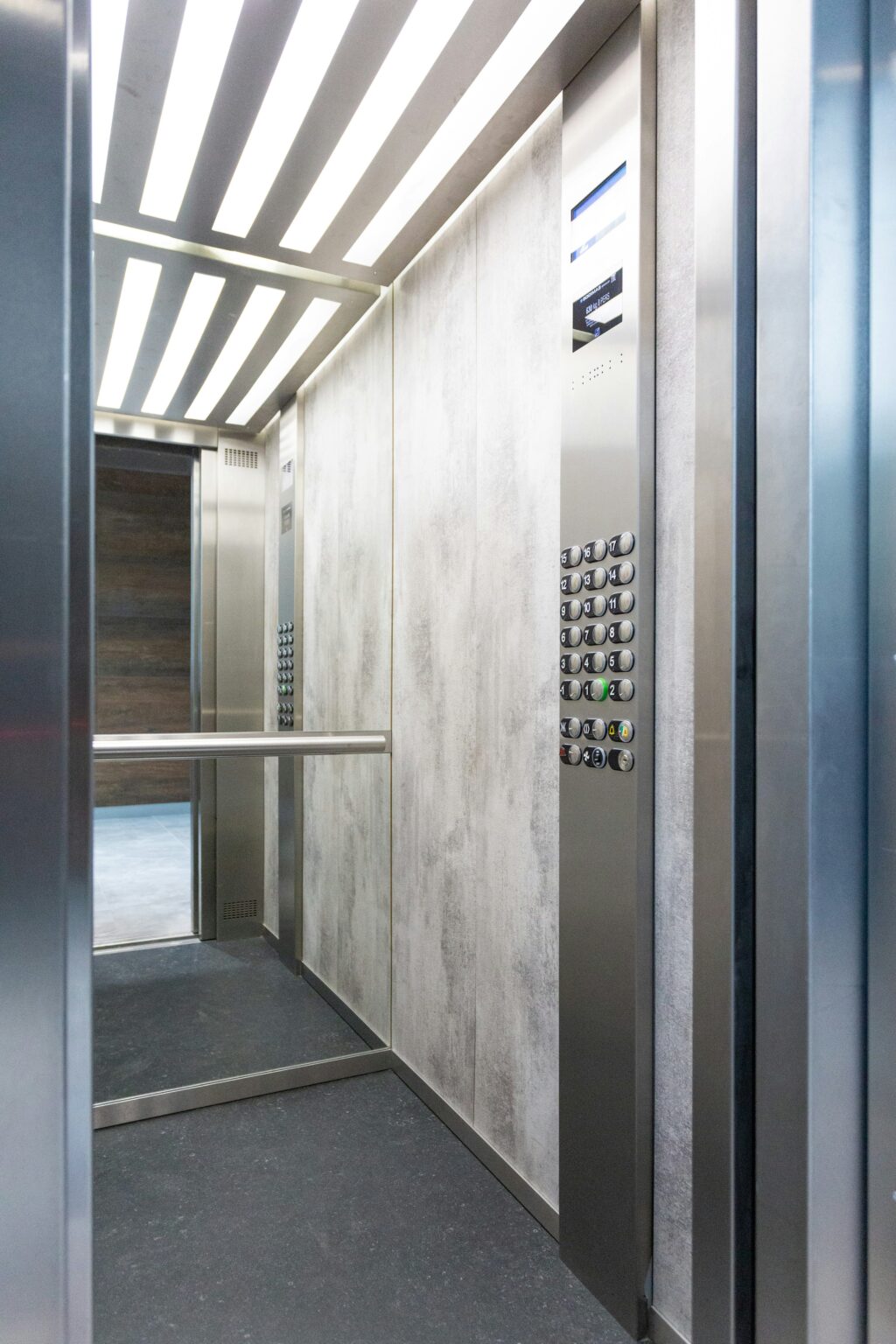
IMAGE: UNSPLASH
The Unseen Benefits: Beyond Mobility
When you think of a home elevator, the first benefit that comes to mind is often mobility—and rightly so. An elevator provides a smooth, safe, and stress-free alternative to stairs for elderly residents, those with temporary or permanent disabilities, or even parents with young children and strollers. However, the advantages extend far beyond just accessibility.
- Aging in Place: The desire to remain in one’s familiar home is powerful. A residential elevator is one of the most effective modifications for allowing homeowners to age in place gracefully, eliminating the need for costly and emotionally taxing moves later in life.
- Convenience and Practicality: Imagine effortlessly moving laundry, heavy boxes, groceries, or furniture between floors. The elevator instantly becomes a powerful tool for everyday convenience, significantly reducing the physical strain of multi-story living.
- Increased Property Value: While the primary motivation is personal benefit, a professionally installed residential elevator is a desirable feature that can significantly boost your home’s resale value, setting it apart from comparable properties.
- Space-Saving Innovations: Modern design has introduced innovative, low-impact elevator solutions. For example, some designs eliminate the need for a traditional machine room or deep pit, requiring minimal structural modification. Companies like Stiltz have championed this approach. You can explore these compact solutions, such as stiltz residential elevators, to see how an elevator can fit into surprisingly tight spaces, often with little more footprint than a standard closet.
Choosing The Right System: Key Considerations
Selecting the perfect elevator is about balancing your home’s layout, your budget, and your specific needs. The most common modern types include:
1. Traditional Hydraulic Elevators
These use a piston and pump system, known for their smooth, quiet ride and robust lifting capacity.
- Pros: Very reliable, heavy-duty.
- Cons: Typically requires a separate machine room and a deep pit below the bottom floor, making them more complex for retrofits.
2. Machine Room-Less (MRL) Traction Elevators
These rely on a counterweight and cables, with all machinery neatly contained within the hoistway. They are a staple of new home construction.
- Pros: Energy-efficient, no separate machine room, fast operation.
- Cons: Requires a traditional, framed hoistway and an overhead clearance for the motor.
3. Winding Drum And Cable Elevators
A simpler, less common option, these use a drum on top of the shaft to wind and unwind the cables.
- Pros: Less complex maintenance.
- Cons: Can be slower or slightly noisier than other systems.
4. Through-Floor Or Shaftless Elevators (e.g., Pneumatic or Drive-Screw)
This category includes the innovative, highly compact designs often used for retrofits. They use a self-contained unit that travels on guide rails, passing through a finished ceiling opening.
- Pros: Extremely compact, requiring no shaft, machine room, or pit. They are ideal for quick, minimal-disruption installations in existing homes.
- Cons: Generally lower weight capacity, and the car ceiling must pass through the upper floor.
Planning And Installation: A Step-By-Step Overview
Installing a residential elevator requires careful planning and coordination with a certified professional. Here’s a brief look at the process:
Step 1: Initial Assessment And Design
A professional elevator contractor will inspect your home, determine the most practical location (often near a stairwell, a closet, or a wall), and discuss your mobility and design needs. This step finalizes the elevator type, car size, and aesthetic finishes.
Step 2: Structural Preparation (The Hoistway)
For traditional elevators, this involves framing the vertical shaft (hoistway) on all floors, digging the shallow pit at the bottom, and ensuring the structure can support the rails and loads. For compact, through-floor elevators, the preparation is primarily a cut-out in the floor/ceiling of the upper level. Local building codes and safety regulations are paramount here; it is essential to work with a contractor familiar with your area’s requirements. You can often find detailed guides to home modifications for disabled people from reputable non-profits and government sources, which can help ensure your plans meet all necessary accessibility standards.
Step 3: Electrical And Mechanical Setup
Dedicated electrical circuits need to be run to the installation location. The contractor will then install the main components: guide rails, motor, control unit, and safety mechanisms.
Step 4: Installation And Testing
The elevator car and doors are installed. Comprehensive testing is then performed to ensure all safety features—like emergency stops, communication systems, and door interlocks—function perfectly.
Step 5: Inspection And Finishing
The local authority performs a final safety inspection and grants the permit for use. Finally, the walls and floor finishes around the elevator are completed, seamlessly integrating the unit into your home’s decor.
Final Considerations: Long-Term Care
Once installed, a residential elevator provides reliable service, but like any mechanical system, it requires routine care.
Maintenance: Work with your installer to establish a regular maintenance schedule—typically semi-annual or annual checks. This proactive approach ensures the longevity of the equipment and, most importantly, the safety of its users.
Safety Features: Familiarize yourself with the key safety components, such as the battery-powered emergency lowering system (in case of a power outage) and the in-car telephone or alarm button for immediate communication.
By planning ahead and choosing a system that fits your home’s unique needs, a residential elevator is an investment that truly enhances your quality of life, preserving the freedom and comfort of independent living within the walls of your beloved home.
Would you like to search for local residential elevator installers in your area?
COMMENTS