


The moment you learn the most interesting thing about the Even Reality G2 is not in its display specs, it is in its social posture. Even Reality has deliberately chosen to make a product that does not advertise itself. The G2 wants to be invisible on purpose, to deliver information without turning a head, flashing a light, or sending the obvious social signal of pulling out a phone or checking a smartwatch.
This matters because wearable tech has a credibility problem. People either become walking notifications or they become novelty head-turners. The real significance here is not that the G2 can show text or translate speech. What actually determines whether it matters is how quietly it does those things and how you control it without announcing that you are doing them.
Even Reality’s second generation leans into design first, and features second. The G2 is thinner, uses lighter materials, and moves the interaction off the frame and onto a ring you wear on your finger. That combination is the device’s thesis: reseat the interface off the face and remove the social telltale signs of tech use while leaving the utility intact.
What most people misunderstand about smart glasses is that technical capability is only half the story. The other half is how other people perceive you when you use them. The G2 is designed to win that second half, and the consequences are both subtle and significant.
Even Reality’s product choices are an argument: make something that behaves like ordinary eyewear and you change the social math of wearable adoption. The company has traded a few headline specs for longevity in social contexts.
Design That Hides In Plain Sight
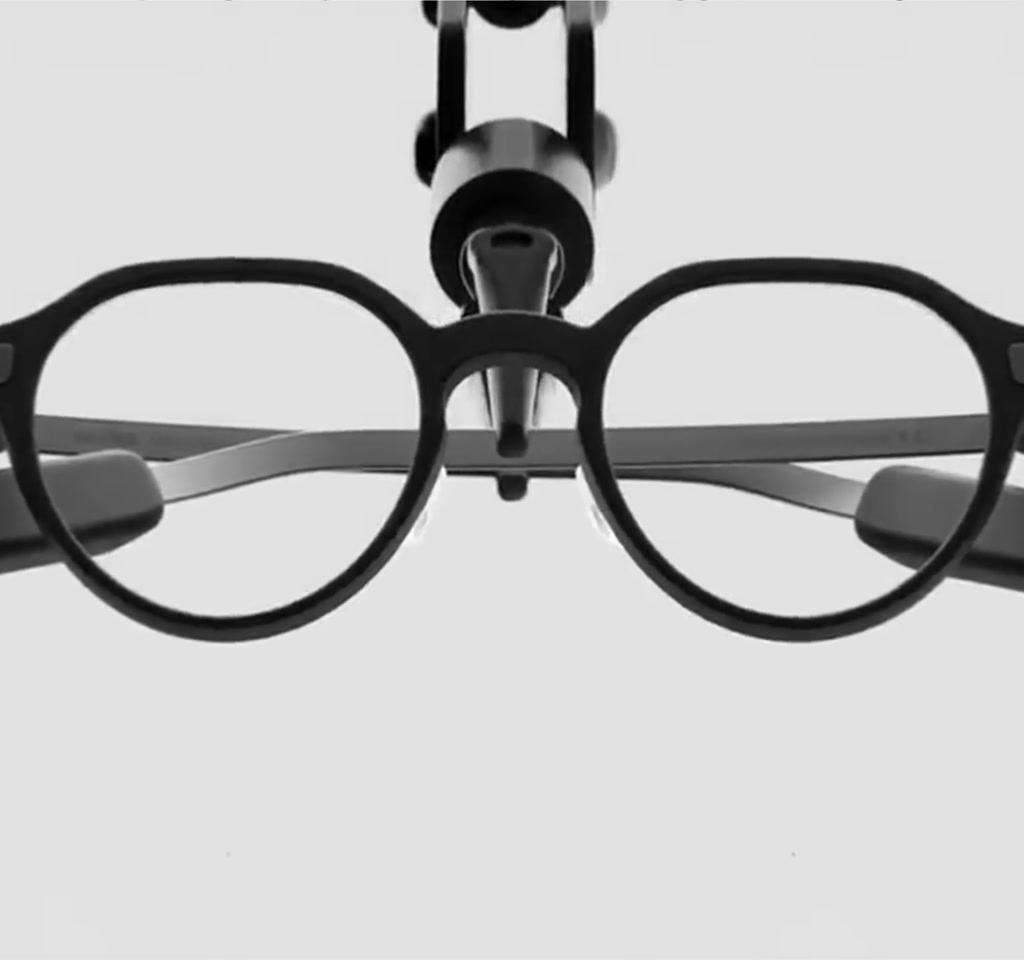
Even Reality positions the G2 as eyewear first, display second. The company reduced frame weight by about 20 percent compared with the prior generation and made each temple end piece roughly 15 percent thinner. Those are not marketing numbers alone. They translate into a different balance when you put glasses on, because the bulk of the electronics is repositioned behind the ear in a slim module.
That placement has two immediate effects. First, the face-facing profile reads like ordinary glasses from most angles. The tiny USB-C port and a small LED are the only giveaways, and those are tucked where your ear mostly hides them. Second, by shifting mass rearward the frame feels closer to conventional eyewear up front on the nose, which helps long-term wearability.
Prescription users are accommodated: you can fit your own lenses, and Even Reality ships temple sleeves and nose pads so the physical fit can be tuned. The company also includes a clip-on sunglass lens with its own small case, which keeps the package closer to the ordinary eyewear experience rather than a gadget bundle.
Unboxing As Signal
The presentation matters to the product story. The G2 ships in a plain, high-quality box with a soft-touch case and a tiny magnetic charging dock within. Even Reality uses the unboxing to suggest this is a daily wearable, not a gadget to show off. That packaging choice echoes the product thesis: minimize spectacle, maximize everyday use.
Display And Readability
The display deliberately favors high contrast and legibility over visual flair. The readout is green, dot matrix-inspired, and optimized for crystal clear text. That is a design choice with practical consequences. It is not for watching movies. It is for short, actionable information: headlines, navigation prompts, calendar items, or line-by-line translations.
Users can position the perceived display at near, mid, or far distances. Practical testing notes the mid position falls around eight feet away, while far feels like ten feet or more. That adjustable optical placement reduces eye strain for different tasks and environments, but the real win is the ability to move the readout out of your central field of view while keeping it visually accessible.
What The Even Reality G2 Is And How It Works
The G2 is a socially focused smart glasses system that pairs a discreet head-up display with a finger-worn ring that handles input and biometric sensing. The core interaction model moves short, glanceable information off the phone and onto an ambient layer so you can receive translations, navigation cues, and notifications without announcing the act of checking.
Ring Control: A Subtle Input For A Socially Sensitive Interface
The headline feature for the G2 is not the glasses, it is the ring. Even Reality moved the primary input off the temple touchpad used on the first generation and onto a small ring that accepts taps and scroll gestures. Functionally this gives you the same scroll and tap inputs, plus quick wake and select gestures, but socially the difference is dramatic.
What becomes obvious when you look closer is that the ring turns interaction into something that looks private. Reaching up and touching a frame is visible and odd. Tapping at your finger is not. That lowers the social friction of checking a headline or accepting a navigation cue.
The ring also doubles as a health tracker. It records heart rate, heart rate variability, steps, calories, sleep data, skin temperature, and blood oxygen. Even Reality collapses two functions into one accessory, which keeps the glasses visually simpler while still delivering persistent biometric feedback.
Tradeoffs And Limits Of The Ring Approach
The ring simplifies social signaling, but it introduces tradeoffs in battery and interaction scope. A ring doubles as an input device and biometric sensor, which means it needs frequent charging if used continuously. Because Even Reality prioritizes discreetness, the ring’s charger and battery are small. That is excellent for pocketability, but it also implies recharge cycles that are measured in days rather than weeks when the ring is heavily used for both control and continuous health tracking.
Another constraint is precision of input. Tap and scroll gestures on a tiny ring are intentionally minimal. The interface is optimized for headlines, lists, and short commands, not for composing long text or complex manipulation. That design reduces cognitive overhead and helps the G2 stay backgrounded, but it also defines the boundary of useful tasks.
Features That Respect Attention
Even Reality curated the software to match the hardware ethos. Core features include real-time translation, pedestrian navigation, teleprompter mode, real-time transcription, AI summaries of recorded conversations, and an on-device assistant called Even AI. The vendor frames these as tools that help you stay prepared and present, rather than tools that keep you staring away from the world.
Translation is described as fast, with live subtitles appearing within seconds of speech. That timing is an important performance constraint. If translation lagged by tens of seconds it would break conversational flow and reduce utility. The G2 sits in the window where translation can be useful on the fly, but the technology still depends on network and processing conditions that vary by context.
Navigation focuses on pedestrian, turn-by-turn cues rather than car-style guidance. That is a deliberate choice: the device optimizes for urban walking and cycling where keeping eyes on the environment is a safety priority. The HUD delivers small directional cues rather than oversized maps, which lowers distraction at cost of rich map exploration.
Recording, Transcription, And Summaries
Recording and automatic transcription are presented as productivity features for meetings, lectures, or interviews. The system creates real-time transcripts and can generate AI summaries that extract key points. Even Reality demonstrates this onstage by turning a recorded monologue into succinct bullet notes, which showcases the editorial framing the company expects customers to value.
There are practical constraints here as well. The transcript quality and the usefulness of summaries depend on audio clarity, speaking cadence, and ambient noise. In noisy or highly overlapping conversations the transcription may require manual correction, which changes a planned time saving into a post-processing task.
The Social And Practical Tradeoffs
Every design decision trades visibility for functionality. Even Reality accepts fewer flashy features in exchange for social stealth. That decision surfaces two clear constraints with quantified context.
- Battery Life Versus Persistence: Enabling a persistent display option increases power draw substantially. If a typical all-day wearable routine is measured in roughly eight to twelve hours, keeping a HUD persistently on will shift that runtime down into a range measured in a few hours rather than a full day. Users must choose between always-on convenience and multi-day availability.
- Feature Scope Versus Covert Form: The ring and simple HUD prioritize quick glances and short interactions. That means the product excels at notifications, navigation, and brief translations, but it is not a replacement for a smartphone when it comes to media consumption, long text composition, or complex interfaces. The G2’s strength is in focused, ephemeral information, not immersive experiences.
Other real-world considerations include adoption friction for prescription users. Integrating prescription lenses typically requires an optical visit or an optician’s service, which adds time and potentially small additional cost. Fit and comfort tuning with temple sleeves and nose pads reduces that friction, but it does not eliminate the need for an optician when precise optics are required.
Privacy and etiquette are also practical constraints. The G2 records audio and transcripts, so local regulations and social norms about recording conversations apply. Even Reality surfaces recording indicators in the HUD so interlocutors are less likely to be surprised, but users will still need to manage consent and data retention policies depending on context.
Ring Vs Temple Touchpad: Interaction Tradeoffs
Comparing the ring to a temple touchpad makes the tradeoffs explicit. The temple approach favors direct reachability from the face but is visible and socially awkward in many contexts. The ring favors invisibility and private control at the cost of limited input precision and more frequent charging.
Battery And Charging Differences
Temple-mounted controls draw power from the frame battery and avoid a separate accessory to charge. The ring creates a second battery to manage, which improves frame simplicity but raises the chance of interrupted control if the ring runs out. Users must weigh convenience against the risk of losing input availability.
Social Visibility Differences
Touching the frame is a public gesture; tapping a finger is private. That social distinction changes behavior. For discreet notifications and conversational assistance, the ring reduces signaling. For hands-on interaction or quick swipes, a temple touchpad is more immediate.
What Works Best And Where The Idea Shifts From Compelling To Fragile
The G2 is compelling when the use case is natural language snippets, short situational information, and maintaining social presence while getting lightweight assistance. It works for people who want to stay visually connected to the world while getting small doses of useful information: transit cues, an incoming calendar reminder, a translated sentence, or a quick stock price.
The idea becomes fragile when the demand grows for dense interaction or for extended media sessions. If the goal is to read long articles, watch video, or edit complex documents, the G2’s minimal interface and discreet display will feel limiting. The product is intentionally sculpted to live in the margins of attention, and that margin defines what it can and cannot replace.
What becomes obvious when you look closer is that Even Reality designed the product to be a companion rather than a centerpiece. That framing changes how success should be judged. Success is not measured in megapixels or cinematic playback. Success is measured in how often the device stays on the face without becoming a social liability.
Contextual Implications And The Road Ahead
The G2 points to a larger shift in wearable thinking. Rather than treating wearables as miniature smartphones, the product imagines them as ambient information layers that should be socially neutral. The industry will need to reconcile two competing pressures: the desire for more capable local processing and sensors, and the social need for subtlety and discretion.
Scaling that approach raises engineering questions. Better on-device processing would reduce latency for translation and transcription and improve privacy by keeping more data local. But more processing requires more power and more heat management, which conflicts with the desire for slim, lightweight frames. Even Reality’s current balance leans toward minimalism and external compute for heavier tasks rather than on-device maximalism.
From an editorial standpoint, the most interesting implication is cultural. If wearables are to be accepted broadly, they must become ordinary objects. The G2 is a practical experiment in that direction. It sacrifices spectacle to earn social invisibility, and in that sacrifice it reveals a clear path toward mainstream adoption: make tech that behaves like regular things.
There will be refinements. Battery chemistry, sensor miniaturization, and low-power AI will all matter. For now, the Even Reality G2 is a readable test case in how to design for presence, not distraction.
Looking forward, the question is less whether smart glasses can do more and more, and more whether they can do what matters while being, for all intents and purposes, just another pair of glasses.
For more on wearable UX and the quiet evolution of everyday displays, Bit Rebels has explored how design choices shift device adoption in other categories.
Even Reality’s product video provides a close look at the interaction model and UI behavior for those who want to see the G2 in motion.
What will be most interesting to watch next is whether other makers adopt the same modest posture or continue to chase spectacle. If the market rewards discretion, the next wave of wearables will be small, silent, and socially fluent.
Who This Is For And Who This Is Not For
Who This Is For: People who want discreet, glanceable assistance while staying visually present. Good fits include urban pedestrians, travelers who need quick translation, and professionals who prefer low-visibility notifications and meeting transcripts.
Who This Is Not For: Users who expect media consumption, long-form reading, or complex touch interactions from eyewear. If your priority is cinematic displays, extended typing, or heavy on-device processing, a smartphone or tablet remains the practical choice.
FAQ
What Is The Even Reality G2?
The Even Reality G2 is a second-generation smart glasses system that pairs a covert HUD with a finger-worn ring for input and biometric tracking, designed to minimize social visibility while delivering short, actionable information.
How Does The Ring Control Work?
The ring accepts taps and scroll gestures for wake, select, and navigation actions. It also collects biometric data such as heart rate, steps, and sleep metrics, combining input and health sensing in one accessory.
Does The G2 Support Translation And Transcription?
Yes. The G2 offers real-time translation and live transcription with on-device or network-assisted processing. Performance depends on audio clarity and network conditions, so results can vary by environment.
What Are The Main Battery Constraints?
The design shifts some power burden to the ring, which requires more frequent charging when used continuously. Keeping the HUD persistently on also significantly increases power draw, reducing runtime compared with intermittent use.
Can You Use Prescription Lenses With The G2?
Yes. Users can fit their own prescription lenses. Even Reality also provides temple sleeves and nose pads to help tune fit, though precise optics may require an optician’s service.
Is The G2 Good For Media And Long Text?
No. The display is optimized for high-contrast, short, actionable text rather than long-form reading or video playback. The product is aimed at glanceable, ephemeral information rather than immersive media consumption.
How Does Privacy Work With Recording Features?
The G2 records audio and generates transcripts. It displays recording indicators in the HUD to signal recording, but local laws and social norms about consent and data retention still apply. Users should manage recordings accordingly.
How Does The G2 Compare To Other Smart Glasses?
The G2 prioritizes social stealth through a thin frame and ring input, trading some feature density and on-device processing for discretion. Other smart glasses may favor richer displays, built-in processing, or temple controls; the G2 is positioned toward everyday subtlety rather than spectacle.
COMMENTS