


Imagine walking into your home after a long day and it already knows how you like the temperature, lighting, and even the music playing. This is not just a dream but a glimpse into how future smart homes may anticipate human behavior.
With the rapid development of connected devices and artificial intelligence, homes are edging closer to environments that respond proactively to our habits and preferences.
The idea of a home that truly understands its occupants has been around for a while, but advancing technologies are laying the groundwork for smarter systems that genuinely learn and predict actions. Rather than merely reacting to commands, these homes will analyze patterns to offer comfort and convenience before residents ask for it. Still, the details of how this will work and what it means for everyday life deserve closer examination.
Current smart home devices often require manual setup or programming, leaving gaps that make the experience feel artificial or rigid. To break past that, future systems will need to evolve from isolated gadgets to holistic networks that consider multiple aspects of behavior.
This shift means analyzing tiny cues like when you usually get out of bed, how you move from room to room, or even subtle changes in mood.
There are questions to consider beyond just the technology itself. For instance, how much control are homeowners willing to give up to automation? How will privacy concerns be balanced with convenience? And what happens when the system makes mistakes? The answers to such issues will shape how we adopt and integrate these predictive smart homes into our routines.
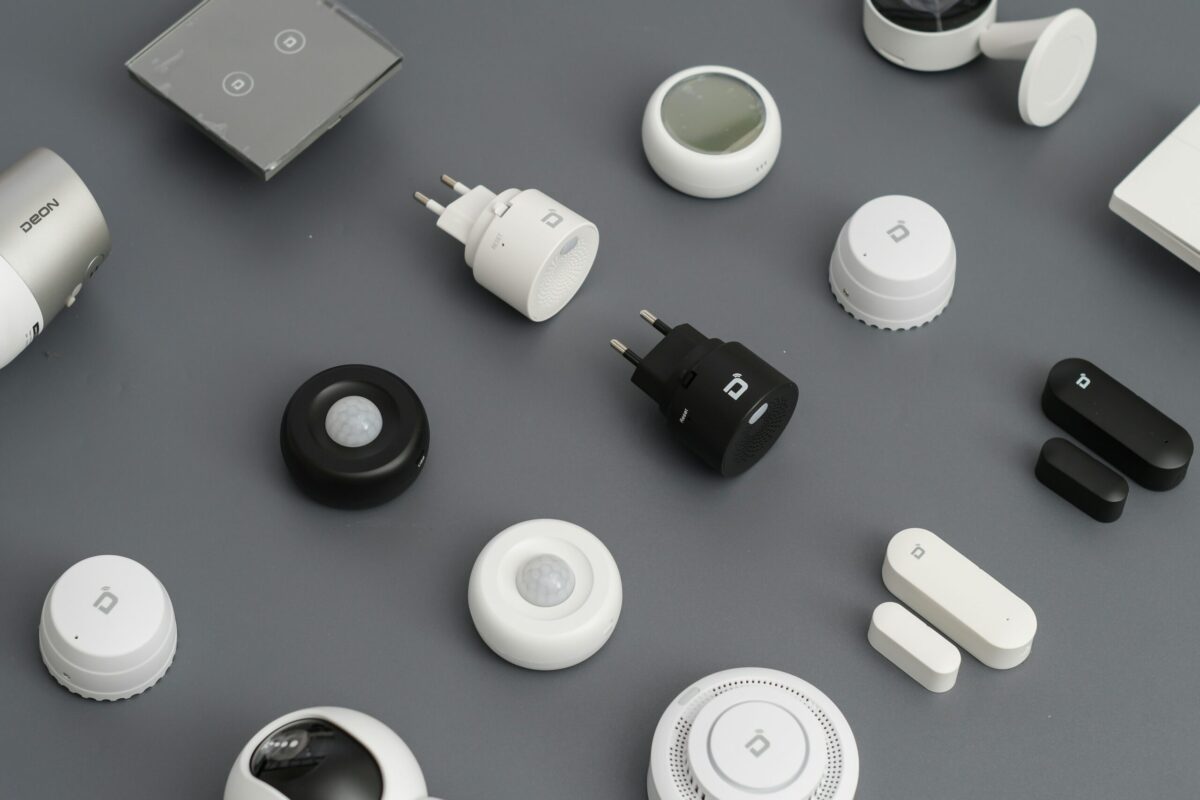
IMAGE: UNSPLASH
Learning Human Routines With Data And Context
One of the core methods through which future smart homes will anticipate behavior is by gathering and interpreting data over time. This does not mean simply tracking when lights are switched on or off but rather developing a contextual understanding that connects different actions and environmental factors.
Think of a system that notices you tend to open the curtains just after waking up, adjust the thermostat shortly after breakfast, and dim the lights around bedtime. By linking these observations, the home can begin to recognize patterns rather than isolated events, offering suggestions or automated adjustments that feel natural. It is a bit like having a very attentive but not intrusive housemate.
However, I am skeptical of how well these systems will avoid becoming overwhelming with constant monitoring. The real challenge lies in sifting through noise not everything that happens is worth acting on.
For example, hosting an unexpected late-night guest might throw off routine detection temporarily. A smart home needs enough flexibility to understand exceptions without getting confused or too rigid.
Tools like Google Nest and Amazon Alexa are early examples where learned routines are partially implemented, though mostly limited to simple triggers and commands. Future iterations could weave data from wearable devices, cameras, and environmental sensors to build richer profiles of daily life. Someone’s changing sleep patterns, a new pet in the household, or seasonal shifts could all influence how the system adjusts settings in real time.
Predicting Needs Through Behavioral Anticipation
Beyond learning what occupants do, future smart homes aim to anticipate what they might need next and act on those predictions. This more complex task involves not just repetition but inference and sometimes subtle reading of cues, especially when exploring how AI-driven home automation will change daily routines and privacy risks in next-generation smart home systems.
A practical example involves heating or cooling a room before someone even enters it if the system recognizes their usual movement through the house.
This predictive capability hinges heavily on machine learning models trained on individual and household data. Yet, the quality of these predictions can vary significantly depending on the diversity of inputs and the design of the algorithms. No system will be perfect, and false positives could lead to frustration, not comfort.
It is also intriguing how mental states or external circumstances could factor into these anticipations. Imagine your smart home noticing increased stress through voice tone or movements and adjusting the environment by lowering lighting or playing calming music.
While there are niche devices attempting similar features today, a fully integrated system that reads and responds naturally remains mostly speculative.
Still, the idea that our homes may respond to nuanced cues deserves a level of cautious enthusiasm. Already, some smart thermostats adjust to outside weather and occupancy to maintain comfort efficiently, signaling that parts of this vision are here but scattered.
Real Use Case: Home Assistants And Voice Patterns
Amazon’s Alexa and Google Assistant can already adapt to individual voices, which improves personalization. But this adaptation remains largely functional updating shopping lists or reminders based on requests rather than preemptive behavior. Future systems may analyze not only commands but conversational mood or frequency to make nuanced changes.
For example, if a resident frequently asks for coffee at a certain time, the home might start preparing it shortly before the request. Some simple smart coffee makers can now be scheduled, but automating it based on observed habits rather than explicit commands signals a subtle change in how machines interact with us.
Privacy And Trust: The Fine Line In Anticipation
No discussion about smart homes that guess human behavior could overlook the critical role of privacy. Collecting detailed data about movement, habits, and preferences means a lot of intimate information is at stake. It may not surprise anyone that many hesitate to embrace a house that feels too knowing.
What struck me most is how solutions rarely come without trade-offs. Companies promise robust encryption and local data processing to protect privacy, but any networked device adds risk. It is a delicate balancing act between convenience and control.
Moreover, user trust could erode if a smart home increasingly takes actions without clear explanations. When your environment anticipates your needs, it must avoid seeming intrusive or making decisions that feel wrong. There is a risk that too much automation could backfire if users lose the feeling of agency in their own homes.
One practical defense could be transparency features allowing residents to see why certain actions were triggered or to easily override the system. Still, I sense this technology demands an ongoing conversation about boundaries and adaptability as much as algorithms and sensors.
Devices And Systems That Shape Behavior Prediction
The wave of technology enabling behavior anticipation is broad, spanning from everyday sensors to advanced AI. Motion detectors, smart thermostats, contact sensors on doors, and smart lighting all contribute pieces to the puzzle. Orchestration platforms connect these inputs, turning separate gadgets into something smarter collectively.
For example, Ecobee thermostats automatically adjust to detected occupancy using built-in sensors combined with user input. They represent an important step in homes getting proactive without needing complex setups. But this is only the surface imagine if motion detection integrated with personal calendars or even health data.
More experimental products attempt to read human behavior with machine vision. Certain security cameras can detect posture and gestures, potentially anticipating when someone is about to sit or leave.
Although privacy concerns arise here, the technology highlights one direction this field might move towards.
In any case, the mix of devices creating a predictive environment seems destined to grow more complex. Not every homeowner is eager to manage or understand such intricate webs. This friction might slow adoption or spur demand for simpler interfaces that still feel smart but not overwhelming.
What’s Different In Anticipation Vs Automation
A lot of current smart homes run on automation rules like time-based schedules or manual triggers. Anticipation shifts the emphasis from fixed rules to adaptive responses based on learned behavior. Put plainly, it tries to think one step ahead rather than only follow instructions.
This opens possibilities but also makes mistakes more visible and sometimes jarring. When your house forgets your routine or anticipates incorrectly, it is frustrating, while simple timers at least behave predictably. That unpredictability might be why some people prefer the old way despite the promise of anticipation.
FAQ
How Does A Smart Home Learn A Person’s Behavior?
Smart homes collect data through connected sensors and devices about daily routines, occupancy, and preferences. They analyze this over time to recognize patterns and adjust settings accordingly.
Are There Privacy Risks With Behavior-Predicting Smart Homes?
Yes. Smart homes that gather personal data pose privacy challenges. Balancing data use with security and transparency is essential to avoid misuse or unwanted surveillance.
Can Smart Homes Anticipate Needs Without Oversimplifying Routines?
That is a challenge. Successful anticipation requires flexible systems that understand variations and exceptions instead of rigidly applying patterns, or users risk frustration.
What Types Of Devices Contribute To Smart Home Anticipation?
Devices include motion sensors, smart thermostats, lighting controls, voice assistants, and security cameras that together create a comprehensive picture of behavior for predictive adjustments.
Will My Smart Home Always Get Anticipations Right?
No system is foolproof. Mistakes in predicting behavior are common, especially when routines change. Users must maintain control to adjust or override settings comfortably.
How Is Anticipating Behavior Different From Automation?
Automation follows fixed rules or timers, while anticipation adapts dynamically based on observed behavior, trying to predict needs before explicit commands.
A Thought On Future Prospects
Smart homes designed to anticipate human behavior promise an intriguing blend of convenience and comfort but also invite complex questions.
I appreciate systems that genuinely learn from our habits without drowning us in automation work or invasiveness. That balance seems more art than science currently.
As technology progresses, the intangible feeling of a home that understands us will likely become more appealing. Still, most people want to keep a hand on the steering wheel nobody enjoys a house that insists it knows better all the time. After all, everyone has days when they break their routine unexpectedly and want their space to accommodate without judgment.
COMMENTS