


Dental care used to be defined by two things most people remember clearly: the wait and the worry. Waiting for results, waiting for treatment plans, and worrying about discomfort, uncertainty, or surprise costs.
Today, technology is reshaping that experience from the first appointment to long-term maintenance. The modern dental visit is becoming faster, more precise, and more personalized, which is changing how patients think about prevention, aesthetics, and overall oral health.
IMAGE: UNSPLASH
Smarter Diagnostics That Catch Problems Earlier
One of the biggest shifts is how quickly dentists can identify issues and explain them in a way patients understand. Digital imaging has improved clarity and reduced the time between exam and diagnosis. Instead of guessing based on limited views, providers can evaluate teeth and surrounding structures with more detail, which helps catch cavities, fractures, gum concerns, and bite issues before they become bigger problems.
Better diagnostics also lead to better conversations. When patients can actually see what the dentist is seeing, they feel more informed and more confident about next steps. That often means less anxiety, fewer delays, and more consistent follow-through on treatment recommendations.
Digital Records And Patient Experience Improvements
Technology has also streamlined the administrative side of care. Digital charting, online intake forms, and automated reminders may not sound exciting, but they reduce friction. When paperwork is easier, and appointments run more on time, dental care feels less stressful. That matters because convenience is a major factor in whether people keep up with cleanings and routine exams.
Many practices also use tools that make it easier to share information, such as before-and-after visuals, digital treatment plans, and educational resources patients can review at home. The result is a more collaborative experience, where patients feel like active participants rather than passive recipients.
Precision Dentistry And More Predictable Outcomes
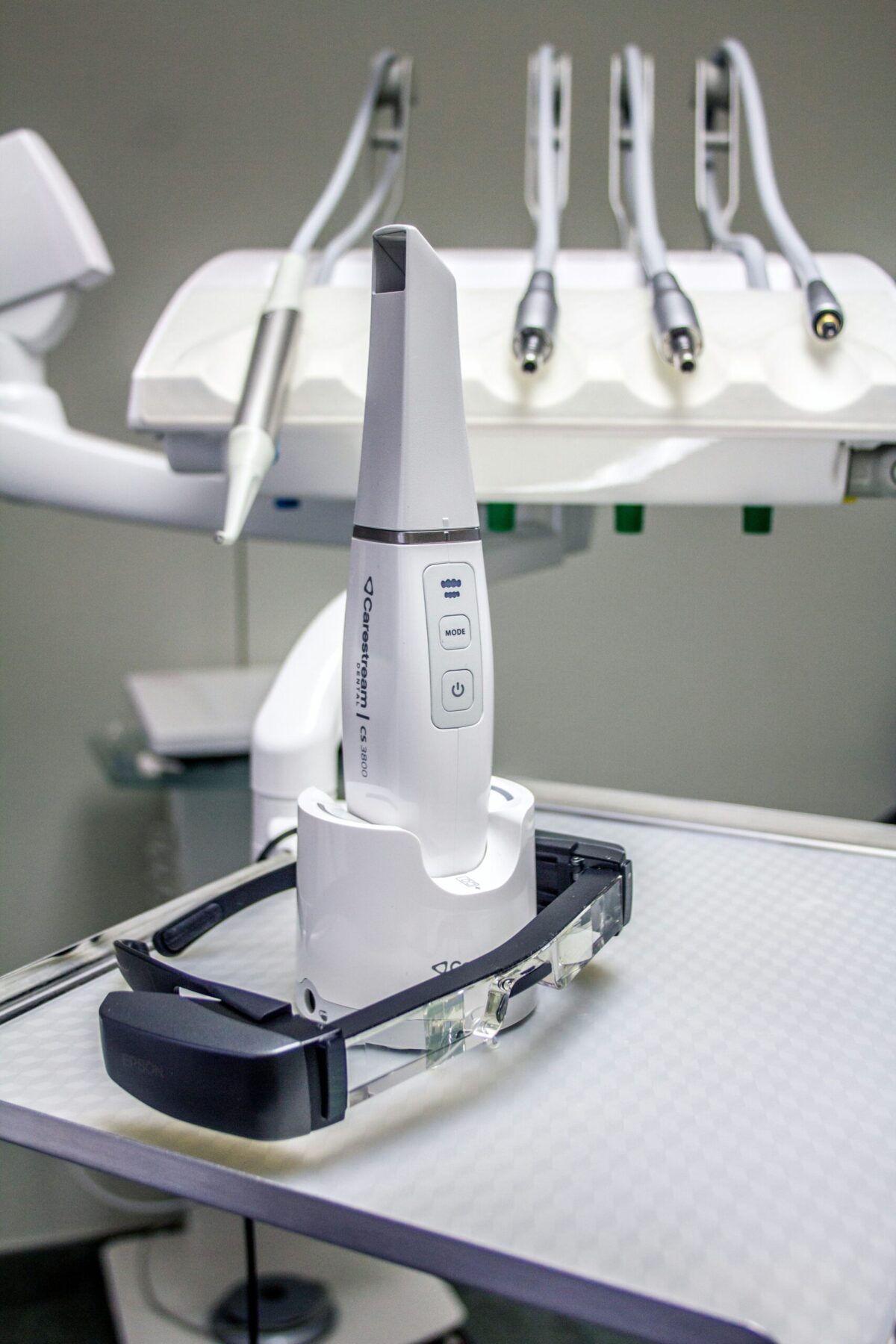
Modern dental tools are raising the standard for accuracy. Digital impressions, for example, can be more comfortable than traditional impression materials while producing highly detailed models. That precision carries over into restorative work like crowns, bridges, and veneers, where fit and bite alignment make a huge difference in comfort and longevity.
Technology is also supporting less invasive treatment approaches. With improved planning and technique, dentists can often preserve more natural tooth structure and deliver results that look and feel more natural. For patients, that translates into restorations that sit better, last longer, and require fewer adjustments.
Aesthetic Dentistry Is Becoming More Accessible
Cosmetic dental care has evolved alongside these advancements. Tools that support shade matching, smile simulations, and digital planning have made cosmetic outcomes more consistent. Patients can often preview potential changes and make decisions with clearer expectations. This shift is helping people view cosmetic improvements as a planned, guided process rather than a leap of faith.
More predictable planning also supports phased treatment. Instead of doing everything at once, technology makes it easier to map out a step-by-step approach that fits a patient’s schedule and budget while still aiming for an ideal final result.
Better Prevention Through Personalized Care
Technology is also pushing dentistry toward prevention and long-term wellness. When providers have clearer data and better tracking over time, they can tailor recommendations more effectively. That may include identifying patterns like nighttime grinding, gum inflammation, or early enamel wear and addressing them before they cause major damage.
For patients, this changes the mindset from “fix what hurts” to “protect what I have.” That is a powerful shift because prevention is usually the most cost-effective, least stressful form of care.
What This Means For Patients Choosing A Dental Provider
With so many tools available, the most important question is how a practice uses them to improve real outcomes. Look for providers who combine modern tech with clear communication, transparent planning, and a focus on comfort.
If you are looking for patient-focused care that embraces modern advances, consider Kremer Dental Care in Chico as a helpful starting point for learning more about today’s technology-driven dental experience.
The Future Looks More Comfortable And More Connected
Technology is not replacing the human side of dentistry. It is strengthening it. When diagnosis is clearer, treatments are more precise, and planning is easier to understand, patients feel more confident and more in control. And that is ultimately what is revolutionizing dental care: it is becoming a smoother, more informed experience that fits modern life.
COMMENTS