


The wheel engineering strongly influences the on-road behavior of the vehicle. Tire design, wheel material, and suspension systems are the components that define driving interactions. These are simply overlooked details, but they affect the safety, comfort, and control of everyone who is inside the vehicle. Knowing these elements helps drivers comprehend why some cars seem to just react while others provide that incredibly unique sensory experience, as well as why some seem to drive over potholes, corners, and traffic lights.
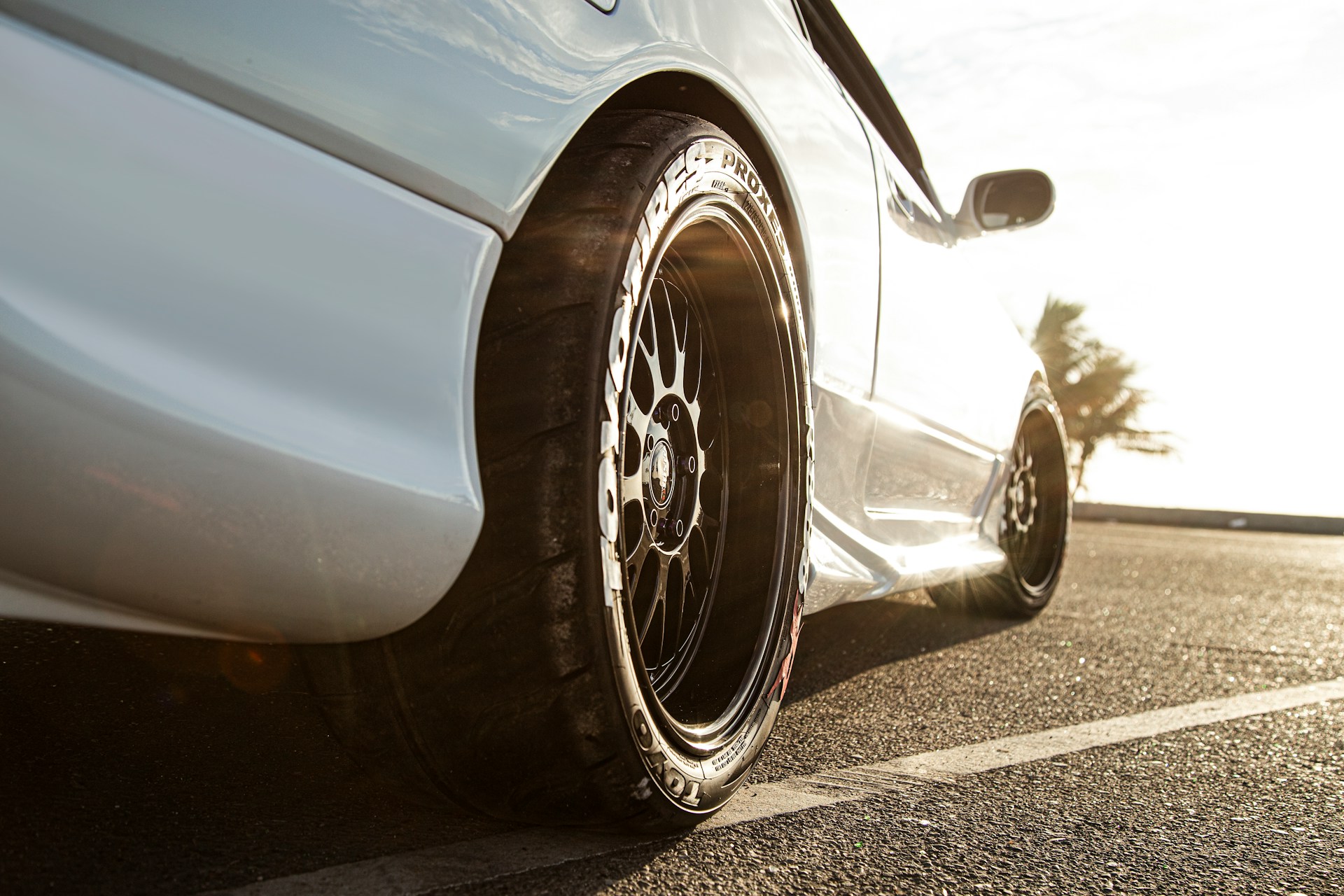
IMAGE: UNSPLASH
1. Tire Composition And Grip
Tire materials play an important role in the connection between the road and grip. Of course, rubber compounds, tread wear direction, and sidewall stiffness also factor in. To balance durability and traction, engineers of XD series wheels wisely choose materials. The former is better in grip, while the latter lasts longer at the cost of some traction. Terra Tread designs direct water out, which decreases hydroplaning and improves control in wet conditions. Every tire construction decision impacts the vehicle’s performance during steering, braking, and acceleration.
2. Wheel Size And Vehicle Dynamics
The size and width of a wheel also affect handling and stability. Bigger wheels can provide a bigger footprint on the ground, which can improve cornering. On the flip side, fewer tire sidewalls also mean a stiffer ride, because there’s a smaller pillow to absorb bumps. Thinner wheels have less rolling resistance, a good thing for fuel efficiency but a bad thing for grip. Engineers carefully consider the tradeoffs between comfort, fuel economy, and road-holding ability when sizing the vehicle.
3. Material Choices And Weight Distribution
Wheels are built from steel, aluminum, or alloy. Different materials provide different traits with respect to how a vehicle will behave. Heavy steel wheels are durable and cost-effective but lead to less responsive steering. Wider lower unsprung mass means more effective suspension action from lightweight alloy wheels. This usually results in faster steering response and improved ride quality. The selection of material, hence, contributes significantly to performance and fuel.
4. Aerodynamics And Wheel Design
The design of a wheel, and even its shape, affects how air is directed around a vehicle. Wheels are designed with features to reduce drag and help mitigate turbulence related to aerodynamics. The shape of the wheel covers, as well as the shape of the wheels, are factors in making the air more seamless. Dynamic aerodynamics can help maintain stability at the top. speeds, along with improving gas mileage. This isn’t a huge deal, of course, but a combination of every little design choice here pays off in better handling and efficiency.
5. Suspension And Wheel Interaction
In order to absorb bumps and stabilize the orientation of the tires in contact with the road, the suspension system, a crucial part located beneath the vehicle, receives input and feedback from the wheels. A well-suited wheel and suspension combination will deliver optimum grip as you turn into or over cobbles. Handling will be affected if wheels are inappropriate because of a weak suspension system point due to wheels being too heavy or too large. Good wheels, on the other hand, let the suspension react quickly and maintain comfort and control. They live in harmony with each other. This is where safety and driving pleasure coexist.
6. Tire Pressure And Road Response
Proper tire pressure is yet another aspect that impacts handling while on the road. An overinflated tire will offer reduced grip but a harsher ride. A too-low-pressure tire can heat up and wear out more quickly than the others because its rolling resistance is always higher. It’s suggested that pressures best connect with the road and optimally spread the weight. To ensure your truck performs as it should, is safe to drive, and gets a good fuel economy out of every ride, regular inspections and corrections need to be carried out.
7. Weather Conditions And Performance
Changing weather distorts the way wheels behave on the road. Whether it be rain, snow, or hot weather, everything impacts the grip and control. To overcome these challenges, wheel engineering deals with material and tire design, which change according to conditions. Some specialized treads are designed specifically for use on wet or icy ground, and others can be made to withstand extremely high temperatures. Such adaptabilities help ensure uniform handling in relation to their climates, thus comforting drivers.
8. Wear Patterns And Longevity
Wheels and tires wear over time, affecting handling. Irregular wear can indicate alignment or suspension problems. In both cases, engineers design wheels and tires so that they wear evenly and last as long as possible. Tires last longer and optimal handling is preserved when tires are rotated on a regular basis and checked out and aligned. There are maintenance habits that are beneficial in the context of safety and road comfort.
Conclusion
Even the highest quality wheel may lack any engineering considerations for road handling. Factors like tire composition, wheel size, material selection, and aerodynamic features all have an impact on safety and comfort. Vehicle dynamics are further honed by suspension compatibility, proper tire pressure, and adaptation for weather conditions. Artificially created advantages necessitate maintenance to sustain their effectiveness. However, due diligence in design and detail allows for wheel engineering to keep making driving better for everyone.
COMMENTS