


Geographic Information Systems (GIS) mapping is regularly confused with global positioning systems (GPS), even though they are entirely different tools. Both are critical for navigation and spatial data but have different perks and strengths, like RTK accuracy in GPS. Distinguishing between them can enable people and organizations to decide which technology best suits their needs.
Understanding what is GIS mapping can help users leverage its capabilities for visualization, interpretation, and understanding patterns and trends. Whereas GPS is all about positioning, GIS provides the analysis of geographical areas.
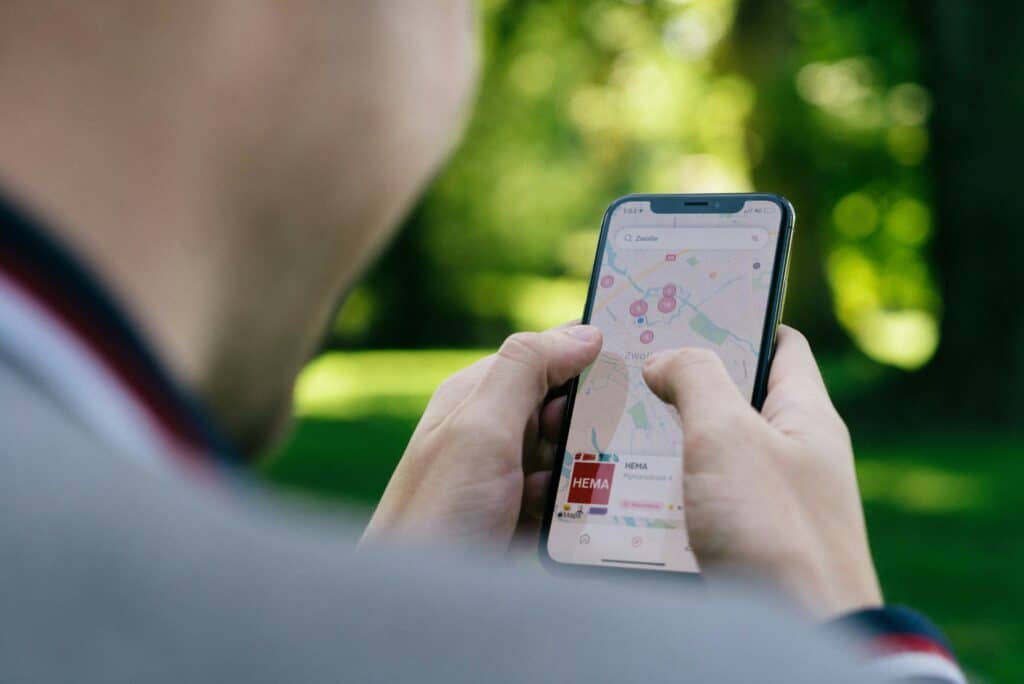
IMAGE: UNSPLASH
Understanding GIS Mapping
GIS mapping can be defined as the gathering, analyzing, and presentation of map-based data. Over maps, users can add different kinds of data like demographic statistics, environmental data, or infrastructure information.
GIS has also made it possible to integrate multiple data sources for a more comprehensive picture by combining diverse datasets into detailed maps. GIS is frequently used by city planners, resource managers, and logistics professionals for high-level planning decisions.
With the capacity of handling large-scale complex datasets, the system is the go-to solution for dealing with a range of geographic phenomena.
Exploring GPS Technology
The advantage of technology is that it helps provide pinpoint-accurate locations with the help of GPS. GPS devices determine their exact latitude and longitude using satellite signals so that they can keep track of their changing locations at all times.
It is commonly used in handheld navigation systems, smartphones, and vehicle tracking systems.
GPS is great at getting location, but it is purely a coordinate service. It does not provide the analytical depth of GIS mapping. But for everyday navigation and transport, the ease and reliability of GPS make it a valuable aid.
Differences Between GIS And GPS Explained
The key difference between GIS and GPS is the functionality. While GIS mapping is related to analytical and visual representation of the data, GPS is related to location tracking. GIS applications incorporate different types of data, which provide information about spatial patterns and relationships.
On the other hand, GPS is more about precise geographic positioning.
The other difference is in terms of complexity. GIS systems are more professional systems because they require a certain threshold of expertise and an understanding of spatial data. In contrast, GPS systems are easy enough for everybody to use.
What Are The Uses Of GIS Mapping?
GIS mapping is used in multiple sectors. According to the United States Geological Survey, it is used by urban planners to design cities, track transportation flows, and manage land. Environmental scientists use GIS to monitor ecosystems, track animal movements, and measure environmental impacts.
GIS finds its application in public health and can be used to map the outbreak of diseases, thus helping in strategic resource allocation and response.
In addition, businesses also use GIS to conduct market analysis by providing information about potential customers and to plan out their supply chains. Organizations can be data-driven with enhanced efficiency and profitability through geography-visualized data.
Using GPS In Daily Life
There are so many uses of GPS to elevate the day-to-day experience of living. Whether driving, hiking, or cycling, personal navigation systems help people reach their destination.
For example, in logistics, GPS allows tracking of the exact location of the delivery vehicle, from which the system can determine the time required for delivery and whether the goods will be delivered on time or not.
GPS helps emergency services address incidents faster and more efficiently. It also helps with outdoor activities, safety, and navigation in case you enter an unfamiliar area.
Incorporation Of GIS And GPS Technology
GIS and GPS work independently, but they can be utilized together as part of a larger system. GIS can integrate GPS data, which can improve the accuracy of mapping and analysis. Through the integration of these technologies, users gain a more holistic understanding of spatial data.
For example, GPS is used in agriculture for precision farming, which allows farmers to plant and harvest appropriately. When paired with GIS, they help to analyze soil and crop conditions, making it easier to optimize agriculture.
This integration exemplifies how GIS and GPS can work together to enhance the benefits of both technologies.
Conclusion
GIS mapping and GPS are two effective approaches to assist us in describing and navigating the world around us. GIS excels at analyzing and visualizing spatial data within its platform, but for tracking location, GPS is the reliable solution.
Understanding their differences and respective uses enables users to select the right technology for their needs. From planning urban developments tracking ecosystems, or just your daily commute, GIS and GPS unknowingly contribute to how we coexist with the world around us.
COMMENTS