


Cell networks fail. Storms take down towers. Hikers and remote workers lose the only line of communication they assumed would always be there. That is where Meshtastic becomes more than a curiosity. It is a practical system that keeps text based messaging alive when the infrastructure you rely on is dead.
This is not theoretical. Meshtastic is an open source project that pairs an app on your phone with inexpensive radio hardware to form a decentralized mesh. No cell service and no internet are required. That makes it relevant for outdoor recreation, emergency preparedness, and anyone who wants a resilient fallback to centralized networks.
What follows is a clear, no jargon explanation of how Meshtastic works, what the hardware options are, how people deploy real world networks, and the practical limits you need to account for. Read this if you want to understand why tiny radios are quietly becoming a viable alternative to sending a text when everything else is down.
How Meshtastic Works
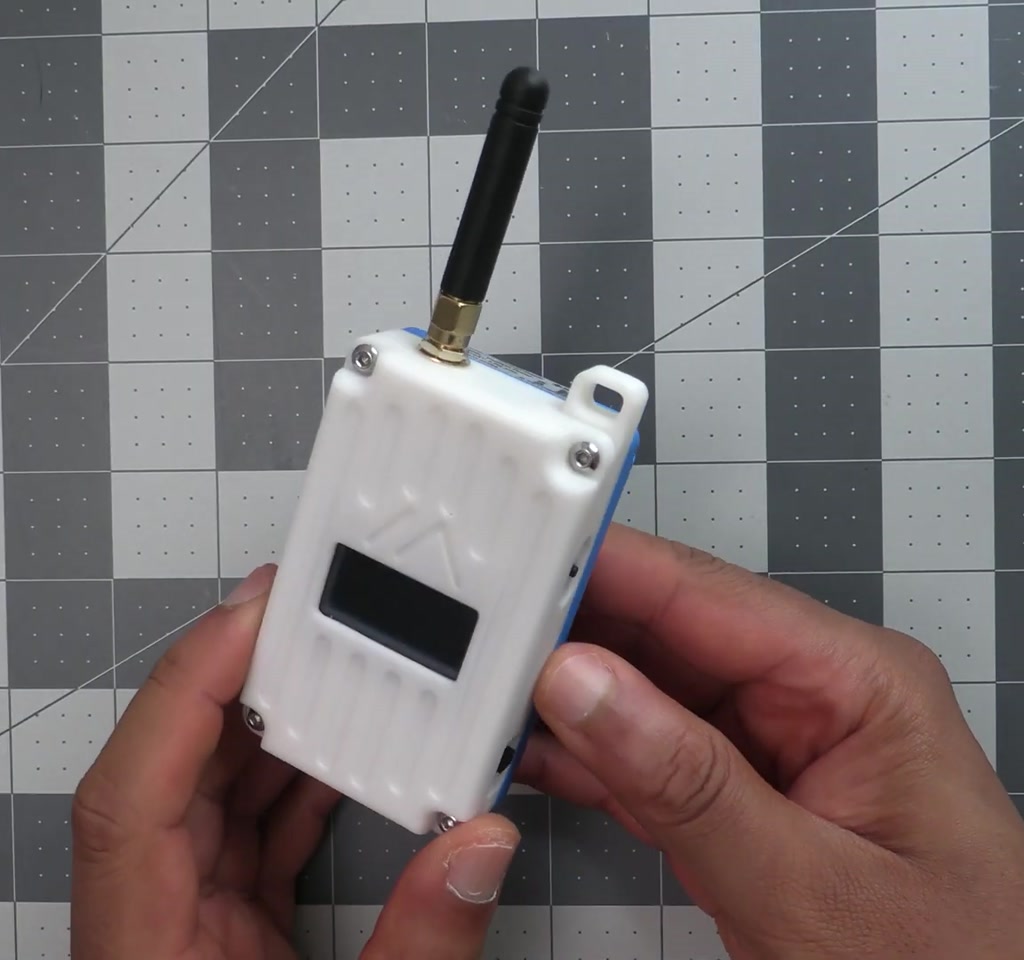
At its core Meshtastic turns a simple radio into your phone s distant text messenger. The phone runs the Meshtastic app on Android or iOS. The physical radio runs Meshtastic firmware and sits in your pack or on a roof. The app and the radio talk to each other over Bluetooth. The radio talks to other Meshtastic radios over LoRa, which is short for long range.
That two radio approach is important. Bluetooth covers the short hop between your phone and the device you carry. LoRa covers the long range links between devices. When you type a message your phone hands it to the local device over Bluetooth. The device transmits the message across LoRa to nearby Meshtastic radios. Those radios can pass the message along again, so the message can travel miles by hopping from device to device.
Receiving messages works the same way, in reverse. A distant device transmits over LoRa. A local radio receives it and forwards it to your phone over Bluetooth where the app displays it. The entire chain runs without cell towers or internet as long as there are enough radios within range to relay traffic.
Devices And Radios
Meshtastic is not tied to a single piece of hardware. The project supports a growing number of low cost radios that run its firmware. The two categories that matter for most users are portable units and fixed solar powered nodes.
Portable Units
Portable units are the devices you carry while hiking or stash in a pack when traveling. They are small, battery powered, and designed to pair with your phone via Bluetooth. Portability means you can create immediate local mesh coverage with people nearby who are carrying compatible units.
Solar Powered Nodes
Solar powered nodes are built for permanence. They are intended to be mounted in high places such as rooftops or towers and left to run for months. By putting nodes on high ground you create long distance links and a backbone that portable units can piggyback on.
When placed with permission on mountaintop sites some of the most effective setups use solar repeaters on towers. Those repeaters extend coverage for users below by relaying messages across large distances. The transcript notes that permission from ham radio operators is sometimes part of these deployments and that is good practice when using elevated sites.
Mesh Behavior And Real World Coverage
People often assume a mesh network will instantly provide city sized coverage. That is not how LoRa based mesh works in practice. Each device has a finite radio range determined by antenna, power, line of sight, and environment. The advantage comes from chaining multiple devices together so messages can hop sequentially across a route.
Hopping allows messages to travel miles even though a single device might only reach a fraction of that distance. That is why placing nodes on high locations and using directional antennas can have an outsized impact. The network becomes a patchwork of short links that together form long connections.
What Helps Range
- Clear line of sight between radios
- Elevated mounting positions such as rooftops and towers
- Quality antennas that match device connectors
- Solar nodes that keep repeaters active 24 7
Even with all those measures, terrain and interference matter. Trees, buildings, and unpredictable weather reduce effective range. Expect the network to be reliable for casual messaging across moderate distances when nodes are well placed, and to require planning and optimization for long haul coverage.
Pairing And Messaging
Pairing is straightforward. You open the Meshtastic app on your phone, enable Bluetooth, and let the app connect to the radio device. Once paired the app becomes the user interface for composing messages, setting profiles, and viewing maps of nearby nodes and users.
Messages are text based. The experience is intentionally simple by design. You will not stream video or make voice calls over this network. The project focuses on resilience and battery efficient communication that works without infrastructure.
Message Flow
Type and send a message in the app. The phone transfers the text to the local device over Bluetooth. The device transmits it over LoRa. Any nearby Meshtastic radios receive that transmission and forward it if needed. If a message reaches a recipient s local radio, that radio forwards it to the recipient s phone where the app displays it.
This relay model is robust because it does not require any central server. Messages traverse the mesh organically and locally. The result is a decentralized store and forward system that can continue operating even when backhaul infrastructure is gone.
Deploying A Network Thoughtfully
Deploying Meshtastic for reliable use is not plug and play at the scale of a city, but it is entirely achievable for communities, base camps, and regional groups. Focus on a few practical steps when you plan a network.
Pick a mix of portable units and fixed nodes. Portable units give immediate local coverage and user mobility. Fixed nodes, especially solar powered ones on high points, provide persistence and backbone connectivity. Strategically place nodes to create paths between populated areas and to cover critical corridors such as hiking trails or access roads.
Coordinate with local land owners and operators. The transcript mentioned working with ham radio operators for elevated sites. That is not just courtesy. It is practical because ham operators often have existing infrastructure and a keen understanding of radio propagation in the area.
Limitations And What Meshtastic Is Not
Meshtastic is powerful for what it is designed to do but it is not a universal replacement for cellular networks or satellite services. It is optimized for text based communication. The network s bandwidth and latency characteristics make it unsuitable for heavy data tasks such as video streaming or large file transfers.
Battery life, local interference, and legal considerations around radio use shape what is possible. Different regions have different radio regulations and allowed frequencies. When building longer range systems think about regulatory compliance as well as technical performance.
Finally, coverage depends on participation. Meshtastic relies on devices to relay messages. The more nodes you and your community place, the stronger and more resilient the mesh becomes.
Why It Matters
As our dependence on centralized networks grows, so does the value of resilient alternatives. Meshtastic is complete enough to be immediately useful, and simple enough that hikers, small teams, and community groups can deploy it without needing specialized infrastructure.
It is the sort of technology that matters when conventional systems fail. In an emergency you do not need high bandwidth, you need reliable messaging and situational awareness. Meshtastic provides that in a compact low cost package.
If you want to experiment further with Meshtastic, there are getting started guides and more advanced walkthroughs that show hardware recommendations and configuration tips. For practical introductions our Getting Started With Meshtastic video series is a good place to begin and includes device recommendations and walkthroughs.
There is a larger conversation here about what decentralized communication looks like when it escapes the lab and moves into everyday use. Mesh networks using LoRa radios are not a panacea, but they are a concrete, deployable option that changes how we think about staying connected off grid.
Where this goes next depends on communities adopting these networks and on continued improvements to firmware and hardware that make setup easier. The possibility of grassroots resilient communication invites a different kind of planning, one that blends technical skill with local cooperation and site savvy.
For a practical look at Meshtastic in action check the video series we mentioned earlier to see deployments and configurations in real environments.
Imagine waking up to a world where a small radio on your roof quietly keeps you linked to neighbors and first responders even when everything else is down. That idea is no longer a distant concept. It is a set of tools you can use today, and what you build with them is the part that will determine the future of off grid messaging.
COMMENTS