


Logistics operations today face a new reality. With soaring fuel prices, tight delivery windows, and customer expectations that leave little room for error, the pressure is on. Traditional planning models fall short when deliveries need to be fast, efficient, and responsive to constant change.
In this context, the best route mapping software is becoming a vital operational asset.
This advanced technology does more than plan routes. The best route mapping software brings intelligence to every decision across the delivery chain. From assigning vehicles to dynamically adjusting for real-time traffic, AI-driven systems are helping businesses reduce costs, optimize fleet use, and consistently meet service-level expectations.
This blog explores how the best route mapping software transforms logistics from the ground up, starting with the biggest pain points.
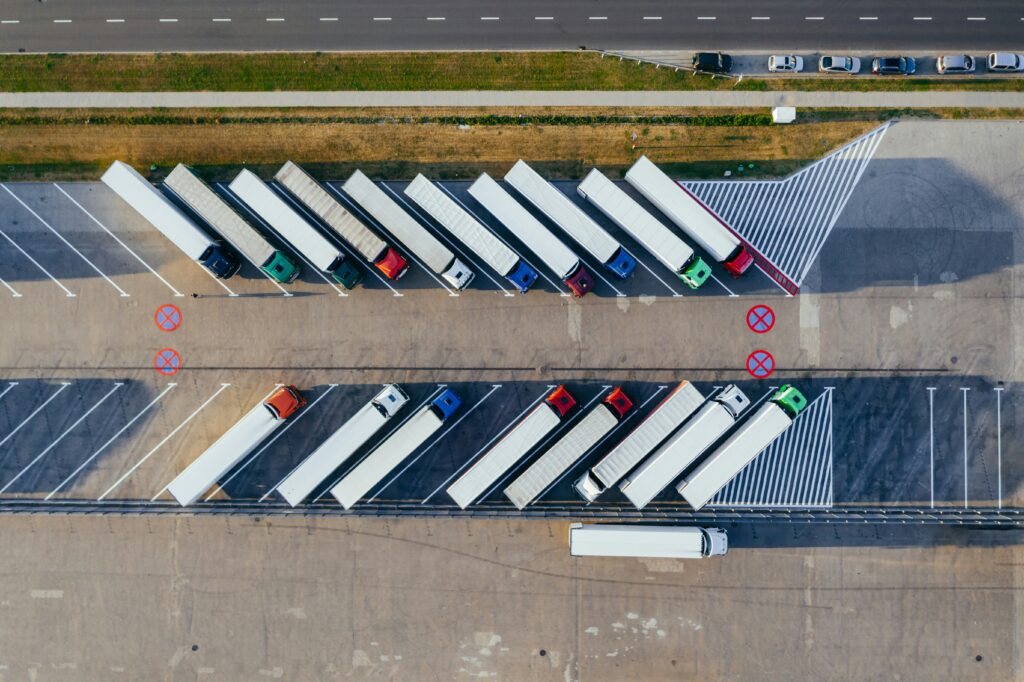
IMAGE: UNSPLASH
The Hidden Inefficiencies In Traditional Route Planning
Before the best route mapping software reshaped the logistics landscape, delivery planning relied heavily on experience, intuition, and traditional tools. This created major operational blind spots.
1. Delivery Plans That Can’t Keep Up With Real-World Conditions
Traditional routing systems are often built on fixed inputs, assuming ideal traffic, predictable road conditions, and consistent driver behavior. But roadworks, last-minute order changes, and unexpected weather events can throw off entire delivery schedules, resulting in missed time windows and mounting delays.
2. Limited Visibility Into Fleet Movements
Without real-time tracking, logistics managers struggle to answer basic questions: Where are the drivers? Are deliveries on schedule? If something goes wrong, who gets notified? These blind spots make it difficult to react quickly or communicate effectively with customers.
3. Resource Fatigue And Operational Burnout
When dispatchers spend hours manually coordinating routes and drivers are assigned inefficient loops, the system wears itself down. Repeating inefficient processes leads to increased fuel usage, delayed deliveries, and rising stress levels across teams. It’s a compounding problem that can’t be fixed with manual effort alone.
4. Growth Bottlenecks
Inefficiencies limit scalability. Businesses looking to expand find themselves constrained by systems that don’t adapt to increased order volumes or new delivery zones. Without automation and real-time intelligence, expansion can become more of a liability than a growth opportunity.
How AI-Based Route Mapping Sets A New Standard
AI-based best route mapping software isn’t just an upgrade; it represents a shift in how logistics functions. By applying machine learning, real-time data analytics, and predictive modeling, it redefines route optimization.
1. Intelligent Pattern Recognition For Route Optimization
The best route mapping software analyzes historical delivery data, traffic trends, and delivery constraints to identify the most efficient delivery patterns. Over time, it learns from actual field conditions and adjusts route recommendations. This adaptive approach ensures routing decisions are grounded in real-world performance, not generic templates.
2. Real-Time Traffic And Disruption Management
When traffic slows or road conditions change, the best route mapping software instantly optimizes routes. These updates are sent directly to drivers, keeping operations fluid and responsive. This means fewer delays, faster deliveries, and better customer experiences, all without manual intervention.
3. Demand Forecasting And Load Balancing
AI doesn’t just look at today’s deliveries. It forecasts future demand based on order history, seasonality, and external factors. This helps logistics teams prepare for peak periods and allocate fleet resources accordingly. The result? More balanced workloads, fewer last-minute surprises, and consistent delivery performance.
4. Continuous Learning And Performance Improvement
With every delivery completed, AI systems gather more data and refine their algorithms. Over time, this leads to smarter planning, more accurate ETAs, and tighter route designs. Businesses benefit from ongoing improvements without needing to constantly recalibrate their tools manually.
How It Transforms Day-To-day Logistics Operations
The value of AI-driven route planning goes beyond smarter maps. It enhances logistics performance on a daily basis.
1. Efficient Dispatch That Responds Instantly
With automation handling route assignments, dispatchers can shift their focus from planning to oversight. AI tools evaluate order locations, driver availability, vehicle type, and delivery windows to assign routes in seconds. This minimizes idle time, improves vehicle usage, and accelerates departures.
2. Reduced Fuel Costs And Fleet Wear
By eliminating inefficient detours and streamlining routes, GPS-based AI planning helps reduce unnecessary mileage. Less distance means lower fuel consumption and less wear on vehicles. It’s an immediate win for both cost control and sustainability.
3. Higher Delivery Success Rates
Customers expect on-time deliveries and accurate ETAs. AI-based systems take into account the factors that impact delivery times and communicate updates in real time. This leads to higher success rates, fewer failed attempts, and improved customer satisfaction scores.
4. Maximum Resource Utilization
AI allows logistics teams to do more with fewer resources. With automation reducing repetitive manual tasks, teams can efficiently manage growing order volumes without the need to scale headcount.
This leads to faster deliveries, better performance, and a more agile, cost-efficient operation, where every team member and tool is focused on high-impact tasks.
Fixing Routing Challenges With Smarter Strategies
AI doesn’t solve problems by itself. It enables better strategies and makes them easier to execute. These tactics are at the heart of transforming logistics into a high-performance operation.
1. Real-Time Data And End-To-End Visibility
Visibility tools built into AI systems offer a live view of deliveries, driver locations, and exceptions. This ensures better coordination between warehouses, drivers, and customers. Alerts and notifications keep everyone in sync, reducing delays and miscommunication.
2. Dynamic Route Adjustments
Unlike outdated software, AI-based systems react to changes as they happen. If a customer reschedules or a vehicle breaks down, new routes are generated instantly. Dynamic routing ensures that disruptions don’t snowball into larger delays.
3. Automated Route Assignments
AI-powered dispatch automation takes human bias and delays out of route planning. Every assignment is based on real-time factors, including traffic, load, and driver availability. This not only improves accuracy but also reduces the burden on planning teams.
4. Predictive Route Planning
Looking ahead is just as important as managing today. Predictive planning allows logistics managers to prepare for high-volume days, adjust to trends, and build resilience. This long-term view ensures that logistics is not just reactive but strategically proactive.
From Dispatch To Doorstep: Streamlining Every Step
Logistics has become too complex to rely on yesterday’s planning models. Delivery networks must now be agile, intelligent, and ready to adapt to shifting demands.
The best route mapping software offers a smarter way forward. It reduces operational waste, elevates service levels, and positions companies to grow without overstretching their teams. From dispatch to delivery, every step becomes more efficient, more reliable, and easier to scale.
Forward-thinking businesses are increasingly working with advanced technology partners to embed AI into their logistics infrastructure. Technology partners like FarEye are equipping logistics teams with the tools needed to compete in a fast-changing market.
Investing in the best route mapping software isn’t just about improving performance; it’s about future-proofing logistics for the challenges ahead.
COMMENTS