


The modern home is experiencing a dramatic transformation as smart home technology fundamentally changes how we interact with our living spaces.
Automated lighting systems, intelligent climate control, and countless other connected devices are reshaping our daily routines while boosting home efficiency in ways we couldn’t have imagined just a decade ago.
Take cleaning solutions like a robot vacuum, for instance—these smart devices perfectly illustrate how automation is eliminating tedious household chores and giving homeowners back precious time to focus on what truly matters.
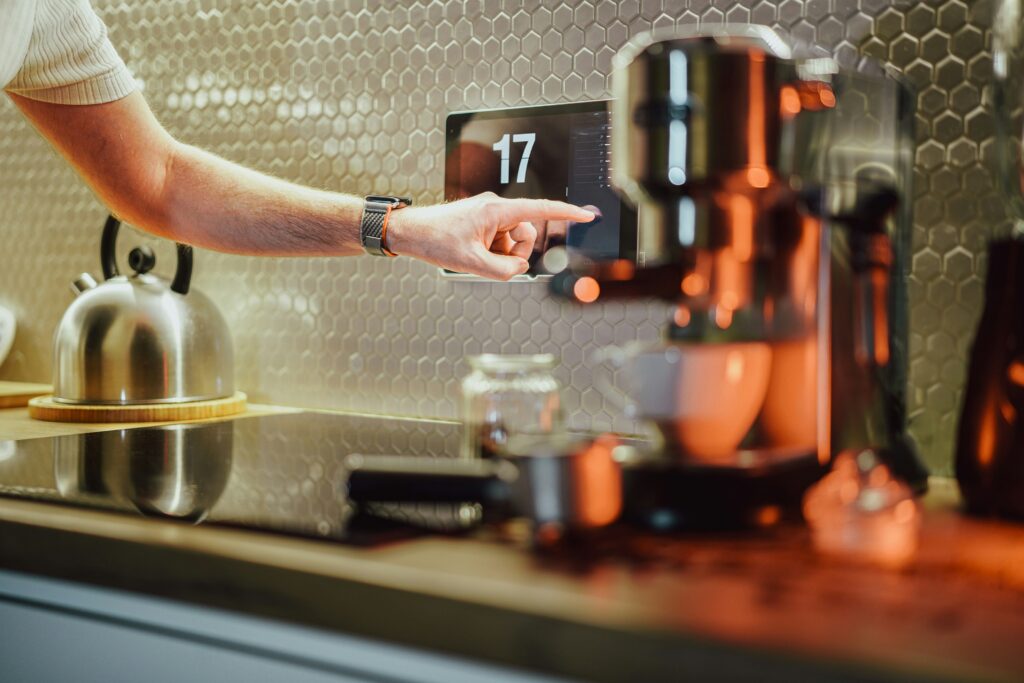
IMAGE: UNSPLASH
The Evolution Of Smart Home Technology
Smart home technology represents a vast ecosystem of interconnected devices designed to automate, monitor, and optimize virtually every aspect of home management.
At the heart of this revolution lies the Internet of Things (IoT), which allows everyday objects to communicate with one another and respond to user preferences through internet connectivity.
What started with basic programmable thermostats has blossomed into sophisticated systems powered by artificial intelligence (AI) that can actually predict user behavior and adapt accordingly. Today’s smart homes feature devices that learn from your daily patterns, automatically fine-tuning settings to maximize comfort while cutting energy consumption.
This evolution marks a profound shift from simple reactive automation to proactive, intelligent home management systems that seem to think ahead.
Core Benefits Of Smart Home Integration
Integrating smart technology into residential spaces delivers compelling advantages that reach far beyond basic convenience. Energy efficiency tops the list of significant benefits—smart thermostats, automated lighting, and energy monitoring systems help homeowners slash utility costs while supporting environmental sustainability goals.
Enhanced security offers another crucial advantage. Smart locks, surveillance cameras, and advanced alarm systems provide comprehensive protection with real-time monitoring capabilities. These systems typically incorporate robust encryption protocols to safeguard personal data and prevent unauthorized access.
Health and wellness applications are gaining increasing prominence, with air quality sensors, smart purifiers, and connected health monitoring devices creating healthier indoor environments. These systems can detect pollutants, automatically adjust ventilation, and provide valuable insights into environmental factors that affect occupant well-being.
Everyday Applications: Smart Devices In Action
The practical impact of smart home technology becomes most evident in daily household operations. Automated cleaning systems work independently to maintain home cleanliness, while smart lighting adjusts brightness and color temperature throughout the day to support natural circadian rhythms.
Voice assistants and centralized control hubs function as command centers, enabling users to manage multiple devices through simple voice commands or smartphone applications. These systems perform best when integrated with standardized protocols that ensure smooth communication between devices from different manufacturers.
Picture a typical morning in a smart home: as your alarm sounds, automated systems gradually brighten the lights, adjust the thermostat to a comfortable temperature, and start brewing your coffee. Meanwhile, cleaning devices operate quietly in unused rooms, and security systems provide updates on overnight activity.
Key Takeaway Box
- Automation reduces time spent on routine tasks
- Integrated systems create seamless daily experiences
- Smart devices adapt to personal preferences over time
Overcoming Challenges: Interoperability And Security
Despite their impressive benefits, smart home systems face significant challenges that users must address for optimal performance. Interoperability remains a primary concern, as devices from different manufacturers often struggle to communicate effectively. Industry standards like the Matter protocol are tackling these compatibility issues by establishing universal communication frameworks.
Security concerns demand ongoing attention, since connected devices can potentially serve as entry points for cyber threats. Privacy protection requires careful consideration of data collection practices and storage policies.
Essential Security Practices Include
- Regular Software Updates For All Connected Devices
- Strong, Unique Passwords For Each Device And Network
- Network Segmentation To Isolate Smart Devices From Sensitive Data
- Regular Review Of Device Permissions And Data Sharing Settings
The Future Of Smart Homes
Looking ahead, predictive automation will likely define the next generation of smart home technology. Advanced AI systems will anticipate user needs with remarkable accuracy, automatically adjusting environments based on factors like weather patterns, occupancy habits, and personal preferences.
Personalization will reach extraordinary levels of sophistication, with homes that adapt not just to general preferences but to individual family members’ specific needs throughout different times of day and seasons.
Health-focused designs will integrate more comprehensive wellness monitoring, potentially detecting early signs of illness or environmental hazards before they become serious problems.
The integration of renewable energy systems, advanced battery storage, and smart grid connectivity will enable homes to achieve greater energy independence while contributing to broader sustainability goals.
Summary And Final Reflection
Smart home technology represents a fundamental shift in how we interact with our living spaces, delivering unprecedented levels of convenience, efficiency, and security. This transformation extends beyond individual devices to create integrated ecosystems that learn, adapt, and respond to human needs with increasing sophistication.
Success in adopting smart home technology requires thoughtful planning, attention to security best practices, and ongoing learning about emerging capabilities.
As these systems continue evolving, homeowners who embrace informed, strategic implementation will be best positioned to realize the full benefits of this technological revolution while maintaining privacy and security in their connected homes.
COMMENTS