


When a 36,000-kilogram truck breaks down at 2 AM on an unfamiliar stretch of highway, the driver’s first instinct is to search for help on a phone. What happens next reveals a technology gap that the rest of the service economy solved a decade ago.
Ride-hailing transformed urban transportation by replacing guesswork with verified, real-time service matching. Food delivery platforms applied the same logic to restaurants. Even residential plumbing and electrical services now operate through review-driven digital marketplaces that let consumers evaluate providers before committing.
Yet the commercial trucking industry – a sector responsible for moving 72.6 percent of all domestic freight in the United States and generating revenues approaching $940 billion annually – has, until recently, left its drivers to navigate emergency repairs with little more than a generic search engine query and hope.
The disconnect is not trivial. The American Transportation Research Institute pegs average fleet operating costs at $2.27 per mile, with maintenance and repair consuming roughly $0.20 of every mile driven. A single unplanned roadside breakdown typically costs between $750 and $2,000 when factoring in emergency tow charges, mobile repair premiums, driver detention pay, and contractual late-delivery penalties.
For a 200-truck fleet, preventable breakdowns can quietly drain $450,000 or more per year. The financial incentive to find the right repair provider quickly is enormous. The tools to do so have, historically, been almost non-existent.
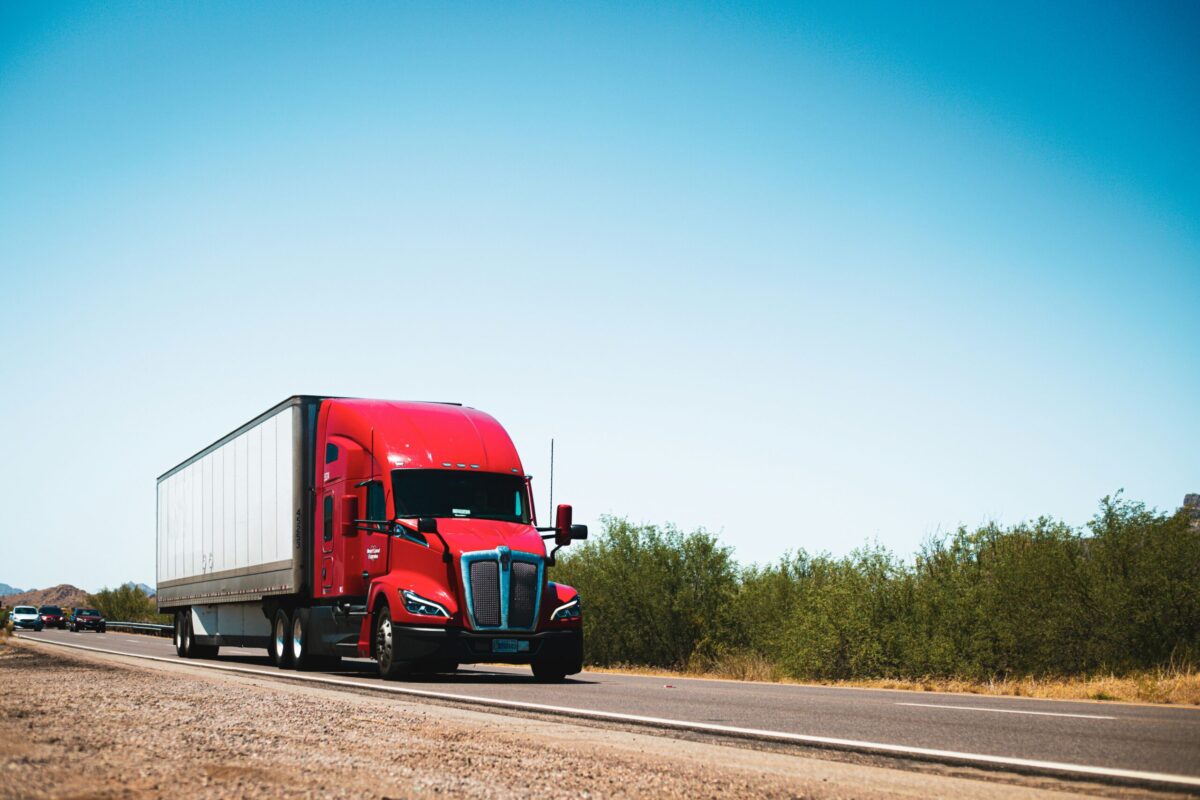
IMAGE: UNSPLASH
Why General Search Fails Commercial Drivers
The core problem is specificity. A long-haul driver stranded with a diesel particulate filter failure outside a mid-sized city does not need a list of automotive repair shops that happen to be nearby.
They need a facility with Class 8 diagnostic capability, DPF cleaning or replacement parts in stock, technicians certified on their specific engine platform, and ideally 24-hour availability. Generic business directories and mapping applications treat a heavy-duty diesel specialist and a neighbourhood tyre shop as functionally equivalent results. They are not.
This mismatch creates real consequences. Drivers report selecting repair providers based on proximity alone, only to discover the facility lacks the equipment, expertise, or parts to service commercial vehicles. The result is wasted hours, additional towing costs to a second location, and compounding delays that ripple through delivery schedules.
Fleet managers coordinating maintenance across multiple states face an amplified version of the same challenge – building and maintaining a network of trusted service providers in dozens of regions without a centralised, verified resource to draw from.
The Platform Approach To A Fragmented Market
A new generation of digital platforms is beginning to apply marketplace logic to this problem. Rather than aggregating every business with a garage door into a single undifferentiated list, these platforms focus exclusively on the commercial trucking segment – filtering providers by service capability, certifications, equipment specialisation, and hours of operation.
The concept mirrors what Zocdoc accomplished in healthcare or what Angi achieved in home services: vertical specificity that transforms a frustrating search into a confident decision.
One such resource is NTTRDirectory.com, a truck repair directory built specifically for commercial drivers that enables users to search by service type, location, and emergency availability. Unlike general-purpose platforms, the directory limits its listings to verified businesses serving the heavy-duty trucking ecosystem – mobile diesel mechanics, trailer repair specialists, 24/7 roadside assistance providers, and full-service shops equipped for Class 6 through Class 8 vehicles.
For drivers navigating unfamiliar territory, the ability to filter for precisely the capabilities they need eliminates the guesswork that currently makes emergency repairs so expensive and time-consuming.
From Reactive Repairs To Proactive Maintenance Networks
The more sophisticated application of this platform model extends beyond emergency service discovery. Owner-operators and fleet managers who build a network of pre-vetted service providers along their regular routes convert reactive maintenance into a planned operation.
Instead of scrambling to find help after a failure occurs, drivers who have already identified trusted shops in key corridors can schedule preventive work during planned layovers – reducing both downtime and the premium pricing that emergency repairs invariably command.
This shift from reactive to proactive mirrors a broader industry movement. Implementing fleet maintenance strategies that maximise uptime and extend vehicle life requires not just scheduling discipline and data analysis but also reliable access to qualified service providers at every point in a fleet’s operating geography.
The best maintenance programme in the world delivers diminishing returns if the shops executing the work cannot be identified, evaluated, and trusted. Platform-driven discovery solves the final-mile problem in fleet maintenance logistics – connecting the strategic planning layer with the hands-on execution layer.
The Two-Sided Value Proposition
What makes these platforms genuinely interesting from a technology perspective is the two-sided network effect they create. For drivers and fleet managers, value increases as more qualified providers join the platform and more reviews accumulate. For repair shops and mobile technicians, value comes from targeted visibility – appearing in front of commercial customers with immediate, qualified service needs rather than competing for attention in a sea of generic automotive listings.
This dynamic is particularly significant for independent mobile diesel mechanics and smaller shops that lack the marketing budgets of national chains. A curated directory that connects them directly with their ideal customer – a driver or fleet manager actively searching for their specific capabilities – provides a distribution channel that would be prohibitively expensive to build independently.
The platform effectively democratises market access in an industry where word-of-mouth has traditionally been the only reliable referral mechanism.
What This Means For The Broader Service Economy
The commercial trucking repair ecosystem represents one of the last major service verticals to undergo digital marketplace transformation. Its slow adoption is not surprising – the industry’s workforce skews older, its operating environments are physically demanding, and its technology adoption curve has historically lagged consumer sectors by a decade or more.
But the economics are compelling and the technology is proven. Every other service industry that has moved from undifferentiated directory listings to curated, review-driven digital platforms has seen improvements in service quality, pricing transparency, and customer satisfaction. There is no structural reason trucking should be different – only a timing lag that is now closing.
For data scientists and platform builders, the opportunity is significant. The commercial trucking maintenance market is measured in tens of billions of dollars, the existing discovery infrastructure is primitive, and the end users – professional drivers whose livelihoods depend on vehicle uptime – have both the motivation and the mobile connectivity to adopt better tools immediately.
The platforms that get the vertical specificity right – matching the right driver with the right mechanic at the right time – will not just capture market share. They will reshape how an industry worth nearly a trillion dollars keeps its most critical assets running.
COMMENTS