


You’ve probably noticed it. The people clocking in next to you aren’t all fresh out of college. Many are in their 50s or 60s – some even older. Well, this is part of a growing trend.
The workforce is aging, and businesses that want to stay ahead are learning how to adapt – thoughtfully and proactively.
If you manage a team or run a company, this shift isn’t something you can ignore. The Bureau of Labor Statistics projects that by 2030, nearly 10 percent of the workforce will be 65 or older. In other words, this is the new reality.
The businesses that are thriving right now are not reacting. They’re preparing by redesigning workflows, updating policies, and creating spaces where older workers can thrive with the same energy and value they’ve always brought.

IMAGE: UNSPLASH
Rethinking The Physical Environment
One of the most direct ways companies are adjusting is by upgrading the physical work environment. You can’t expect someone who’s spent 30 years in the field to bend, lift, or squat like they used to. That doesn’t mean they’ve lost their edge. Your systems just need to evolve.
Think about things like better chairs, more supportive footwear policies, or work surfaces that reduce strain. A height-adjustable workstation might seem minor, but it can prevent days (or weeks) of missed work from a back injury.
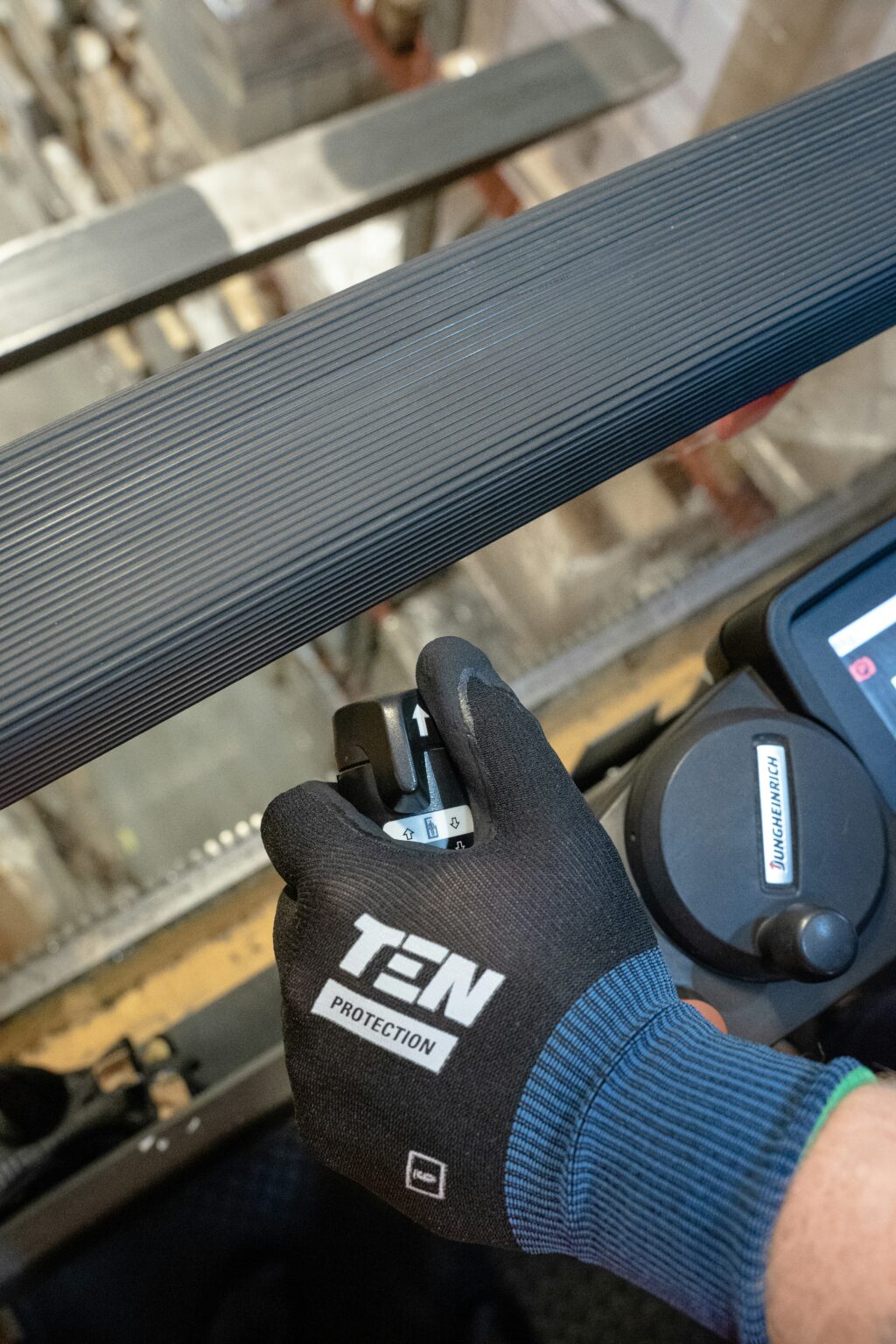
In more industrial settings, the changes are even more critical. Companies are investing in assistive devices, simplified tool design, and workflows that reduce physical wear and tear. These aren’t flashy upgrades.
But they keep skilled workers on the floor, where they want to be, and where you need them most.
Smarter Training Without The Pressure
There’s a myth that older employees can’t keep up with technology. But often, it’s not a lack of ability – it’s a lack of accessible, respectful training.
That’s why online certifications are becoming a game-changer. They give employees the ability to learn at their own pace, on their own time. And they remove the awkwardness of being the only person in the room who isn’t “getting it” right away.
Take forklift certification as an example. If you have employees operating heavy machinery, OSHA requires proper training. Instead of organizing an in-person class or bringing in an expensive trainer, many companies now offer 100 percent OSHA-compliant, same-day certification programs online.
These are easy to complete, accessible from anywhere, and come with printable proof of completion.
It’s a safer, faster, more respectful way to bring older workers up to speed without making them feel left behind.
Flexibility Is A Necessity
As workers age, their needs and priorities change. Maybe they’re managing chronic health conditions, or perhaps they want more personal time after decades of full-time work.
Forward-thinking businesses are meeting those needs with phased retirement programs. (Think of these as bridges, rather than exit ramps). They let experienced employees cut back gradually while mentoring younger team members and offering support behind the scenes.
Even if you’re not ready for a formal program, small adjustments make a big difference. Consider part-time roles, shorter shifts, or occasional remote days. If someone can still contribute meaningfully – just on slightly different terms – why wouldn’t you make room for that?
Make Experience A Culture Asset
All the ergonomic upgrades and flexible hours in the world won’t matter if your culture sends the message that older workers are “past their prime.” People can feel when they’re being quietly sidelined.
Smart companies are building cultures where experience is an asset – not a liability. That starts with hiring, but it doesn’t stop there. You need leadership opportunities, mentorship tracks, and development paths that include people at every stage of their career.
You can also create more connections between generations. Pair newer hires with seasoned employees – not just for training, but for mutual growth. Let them learn from each other.
Never forget that experience brings wisdom and fresh eyes bring innovation. The two aren’t in conflict – they’re complementary. When older employees feel respected, they engage differently and stick around longer.
The ROI Of Retaining Talent
There’s a practical reason to lean into all of this: it saves money.
Hiring someone new, training them, and waiting for them to get up to speed costs you time and payroll.
When you lose someone who’s been with your company for 20 or 30 years, you don’t just lose a warm body – you lose institutional knowledge, client trust, and a stabilizing presence.
Adapting your business to support older workers is one of the most cost-effective retention strategies out there. You’re creating a place people want to stay. And when other companies are struggling with high turnover, you’ll be building something more sustainable.
Making Simple Shifts
This isn’t about giving anyone special treatment. It’s about acknowledging reality – and responding to it with wisdom instead of fear. If you’re still designing your workplace, training programs, and schedules for a 30-year-old average employee, you’re behind. The workforce is changing. This is your opportunity to lead.
COMMENTS