


Running a truck fleet is necessary for many businesses, especially those that transport multiple and/or large goods from one location to another. Fleet vehicles are motorized assets owned by a company to conduct business, and they can quickly accumulate costs.
Of course, it is possible to reduce the cost of running a fleet of vehicles. There are numerous considerations here, such as fuel, insurance, maintenance, and potentially even driver salaries. Only by examining your business can you determine which of these components need to be modified.
In this post, you will discover three of the best ways to reduce fleet costs, which is essential to consider in light of the rising cost of truck fleet ownership.
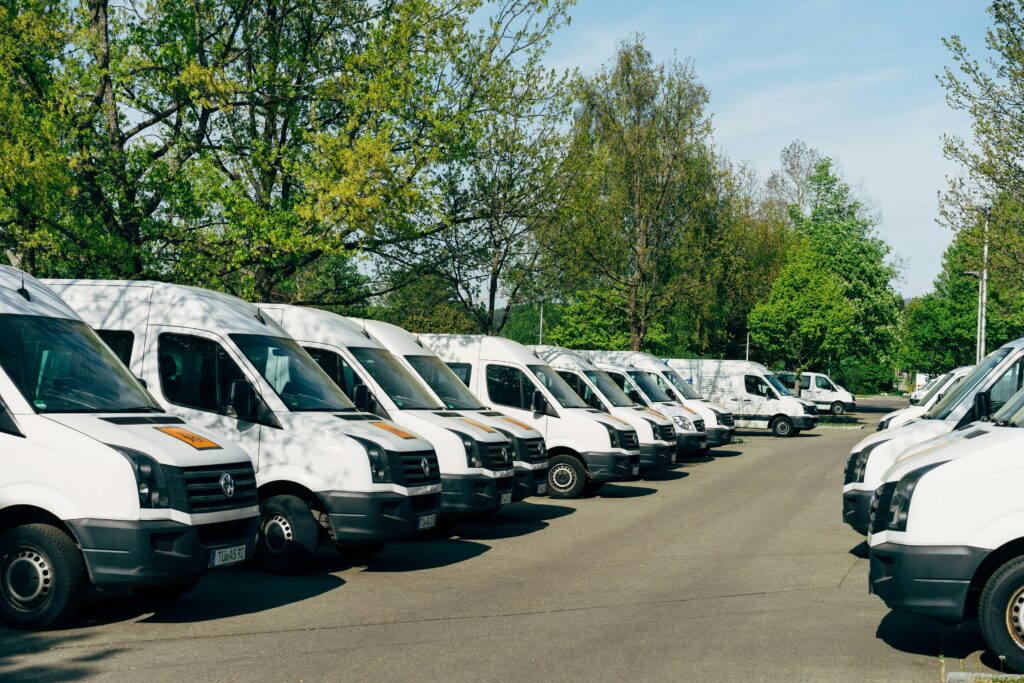
IMAGE: UNSPLASH
Optimize Vehicle Utilization
One of the first ways to cut fleet costs is by looking at vehicle utilization. This refers to how effectively a company’s vehicles are being used to carry out their intended purposes, such as transporting goods from A to B.
You must look at how much of a vehicle is used compared to how much it could be used, and use mileage, hours of operation, and number of vehicles used to calculate fleet utilization.
There are numerous benefits to high vehicle utilization. Not only does this improve overall efficiency and minimize wasted resources, but it also lowers the expenses associated with idle vehicles.
It is crucial to optimize vehicle usage as this can lead to significant cost savings by reducing unnecessary mileage, fuel consumption, and maintenance needs.
You must analyze vehicle usage patterns to determine the most effective way to optimize them. It is best to use telematics and GPS data to understand how vehicles are being used, identify the patterns of underutilization and/or overuse, and adjust processes accordingly.
Similarly, you might implement a fleet rotation strategy, which will see vehicle usage distributed evenly to prevent overuse of some while others sit idle; this can extend the lifespan of the entire fleet.
Implement Proactive Maintenance
The next way to cut fleet costs and improve your bottom line is through proactive maintenance of vehicles. As repairs can be costly, and vehicles being out of commission for a time can be problematic, addressing potential issues early should be prioritized.
Regular maintenance will prevent vehicle breakdowns and optimize performance through scheduled inspections and repairs, rather than reacting to problems when they occur.
Unfortunately, there will be times when vehicles in the fleet need to be repaired or break down unexpectedly. Proactive maintenance involves identifying and addressing minor issues, such as fluid changes and tire rotations, before they can escalate into major, costly repairs.
Resolving potential problems early on can reduce the likelihood of vehicle downtime, which would negatively impact the company’s productivity.
As well as maintaining the vehicles, you should focus on optimizing driver behavior, too. Some driving behaviors, including harsh accelerating and braking, can increase the wear and tear on a vehicle.
This is why you should train drivers to practice proper driving habits and encourage them to conduct daily vehicle checks – fluid levels, tire pressure, etc. – before heading out on jobs.
Focus On Fuel Efficiency
A significant portion of the company’s operational expenses will be impacted by fuel efficiency, and that is why you must focus on improving it. This aspect will often require a multifaceted approach, but the benefits can extend from cost saving to environmental adjustments.
It is particularly important to consider this now with the unpredictable nature of fuel costs.
Fuel efficiency can be improved with better driver training, as previously mentioned, and route optimization. Planning routes ahead of time can help you identify the most efficient paths for your drivers, minimizing distance and travel time.
Similarly, traffic management should be utilized here; this uses real-time traffic data to avoid congestion and reduce idling times. Thankfully, there are numerous types of software that can be used to assist with this.
To conclude, managing a fleet of vehicles can be a costly endeavor, but this doesn’t mean you must accept this fate. There are numerous methods to cut costs, and this can help you to improve your company’s bottom line.

COMMENTS