


For years, digital collaboration has been shaped by the same familiar rhythm: open a link, join a meeting, share a screen, talk through ideas, lose momentum, and try again tomorrow.
That model works well enough for quick updates and status checks. But for teams whose work is inherently visual, iterative, and collaborative such as post-production, marketing, design, architecture, and healthcare, it increasingly feels like a workaround rather than a solution.
The problem is not remote work itself. It is that much of remote work is still constrained by tools designed primarily for conversation, not creation.
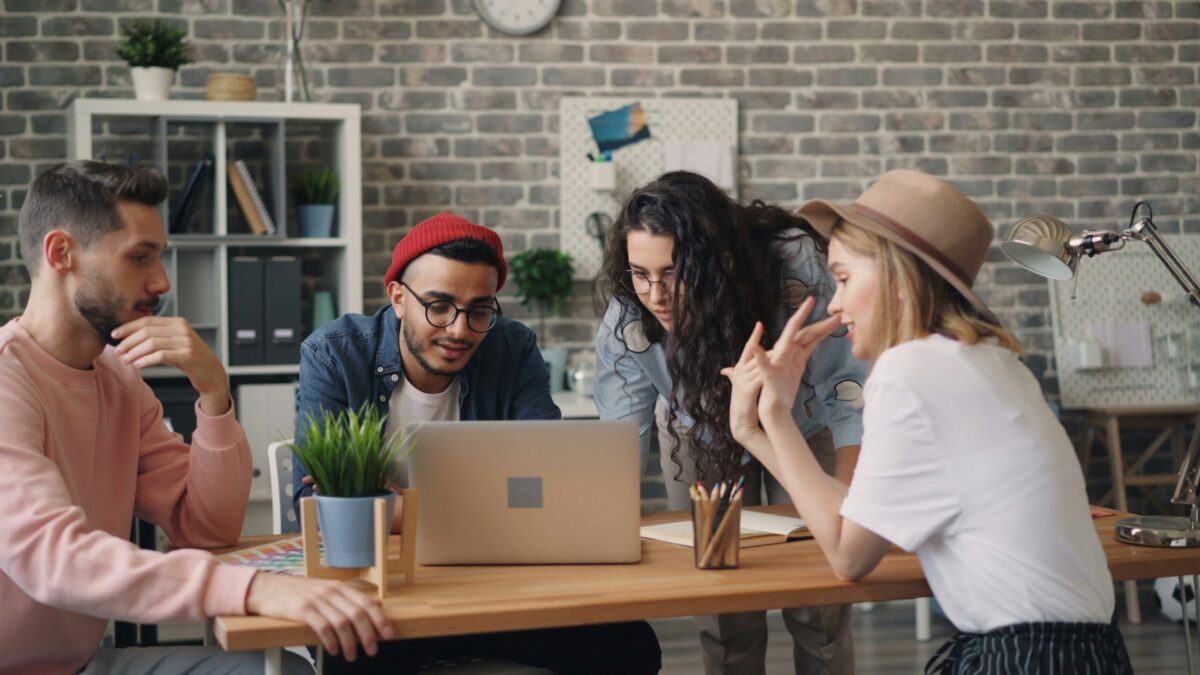
IMAGE: UNSPLASH
Creative and technical teams do not just need to talk things through. They need to examine details, compare versions, annotate in real time, present with clarity, and return to work that remains intact and accessible. When collaboration is reduced to compressed video feeds and fleeting meeting windows, much of that nuance is lost.
This is where a shift is beginning to take shape. The next meaningful evolution in workplace technology may not be about improving meetings, but about rethinking the environments in which work actually happens.
Instead of treating collaboration as a series of disposable calls, newer platforms are exploring the idea of persistent digital spaces. These environments allow content, context, and conversation to coexist over time. Teams can move fluidly between brainstorming, review, presentation, and live engagement without constantly resetting the stage.
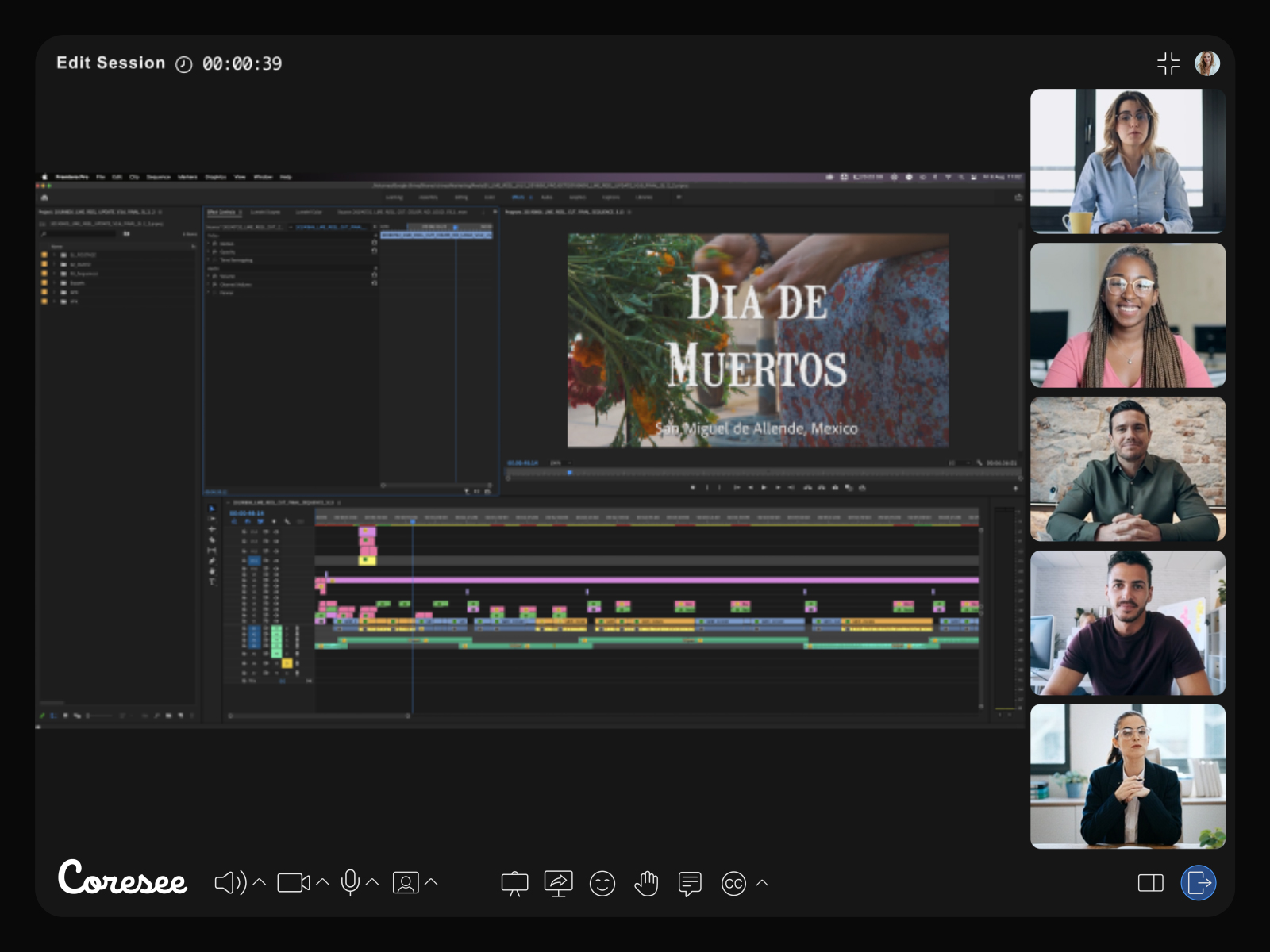
IMAGE: CORESEE
Coresee is one example of this emerging approach. Rather than positioning itself as another video conferencing tool, it frames its offering as a more continuous, media-rich environment.
Features like high-resolution streaming, persistent rooms, and support for large-scale live events reflect a broader attempt to align digital collaboration with the realities of modern workflows.
That alignment matters. Today’s work is rarely linear. A single project might move from ideation to asset review to stakeholder presentation to live broadcast, then back again for refinement. Tools that fragment that process by forcing teams to restart context at each step introduce friction that slows both creativity and execution.
By contrast, platforms that preserve continuity across these stages begin to feel less like meeting tools and more like shared workspaces.
This shift is particularly relevant in fields where fidelity and precision are essential. In architecture, a missed detail can alter a design outcome. In healthcare, clarity can affect decision-making. In media and marketing, quality and timing directly influence audience impact. In these contexts, the limitations of traditional video calls are not just inconvenient, they are consequential.
The broader trend suggests a reframing of how digital collaboration is defined. The question is no longer how to make meetings slightly better, but how to create environments where distributed teams can do their best work without compromise.
As organizations continue to navigate hybrid and remote models, the tools that gain traction will likely be those that move beyond conversation and toward true collaboration. Spaces that retain context, support complexity, and reflect the way work actually unfolds.
COMMENTS