


Opening a pet shop in the UK is an exciting venture, but it comes with responsibility. Whether you’re selling fish, birds, or small mammals, understanding the relevant regulations and welfare standards is vital to ensure the well-being of the animals and the success of your business.
Here, we explore some of the key requirements for opening a pet shop in the UK to help you get started.

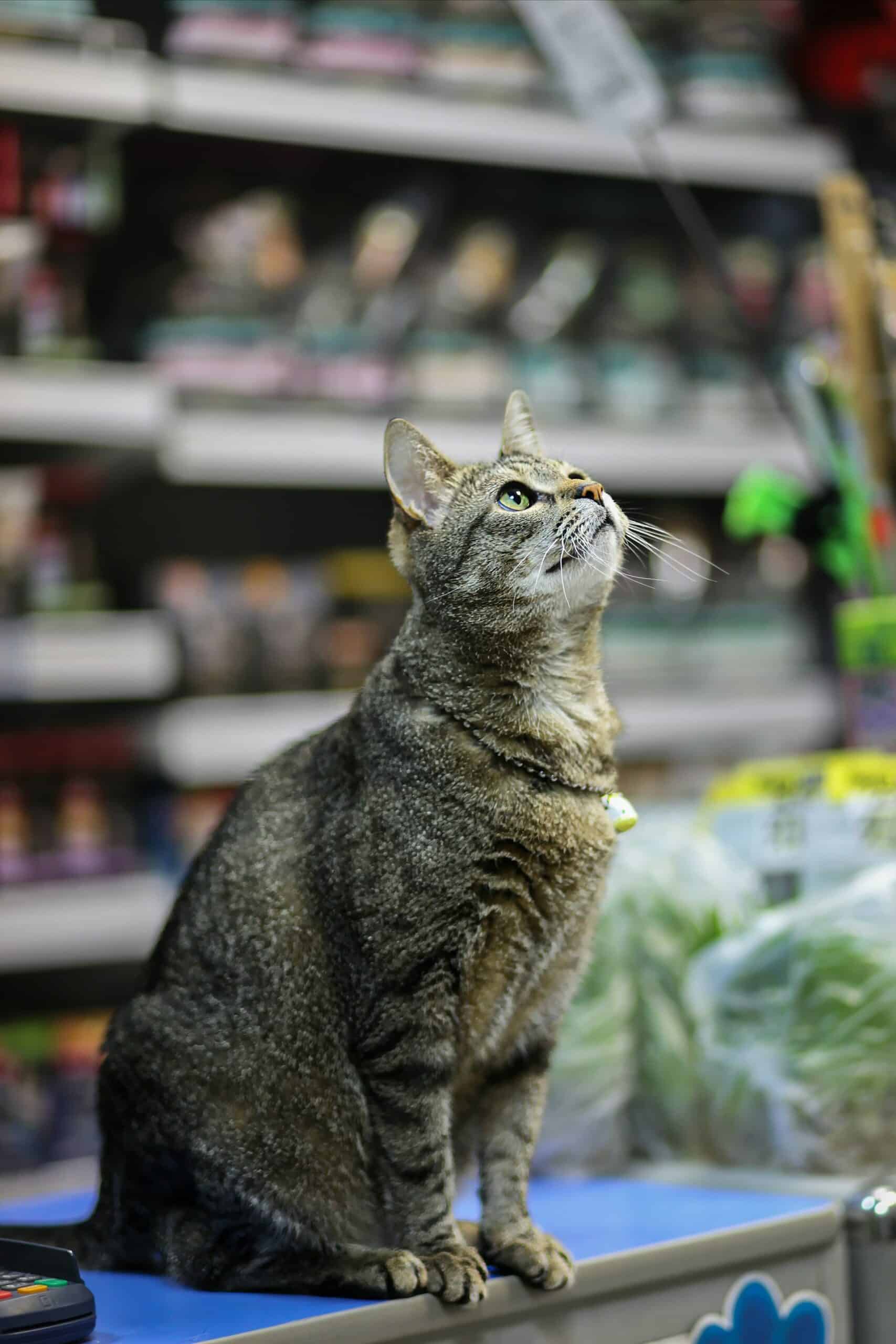
IMAGE: UNSPLASH
Is A Licence Required To Open A Pet Shop?
Yes, operating a pet shop in the UK requires a licence. The guidance for England, for example, states that “you need to get a license if your business sells animals as pets” or “which will later be resold as pets”.
Note that you cannot “sell animals as pets in public places” or “sell puppies or kittens if you have not bred them yourself”.
To obtain a licence, apply through your local council, which will assess your suitability to operate a pet shop. This assessment includes an inspection of your premises to ensure compliance with welfare standards.
Licences are typically valid for one, two, or three years, after which they must be renewed. For detailed guidance, refer to the government website or get in touch with your local authority for more information.
What Are The Animal Welfare Regulations And Standards?
The Animal Welfare Regulations 2018 set out standards associated with the licensing of activities involving animals. This includes guidance on accommodation, suitable diets, animal handling, and protection from pain, suffering, injury, and disease.
You’ll also find information on keeping or training animals for exhibition, providing boarding for cats and dogs, hiring out horses, and more.
Make sure you follow all legal and regulatory requirements before opening for business.
What Else Do You Need To Consider?
Firstly, you’ll need to register your business with HMRC if you’re set up as a limited company. It’s important to maintain clear records of your finances and comply with tax obligations to avoid any penalties.
If you plan to collect customer details, you must also comply with data protection laws, such as the General Data Protection Regulation (GDPR).
Health and safety legislation also applies, so make sure your premises are safe by addressing risks such as slippery floors, fire safety, and appropriate signage. You may also find it helpful to check if you have the appropriate level of insurance for your retail shop(s).
By researching and adhering to the relevant regulations and standards, you can set up a successful pet shop that provides a caring environment for your animals and a trustworthy service for your customers.
COMMENTS