


The demand for energy-efficient homes is growing faster than ever. Buyers aren’t just looking for stylish interiors and modern layouts — they want homes that are sustainable, affordable to run, and ready for the future. For homebuilders, this shift creates both challenges and opportunities.
One of the biggest game-changers is Battery Energy Storage Systems (BESS), which are quickly becoming a cornerstone of forward-thinking residential design.

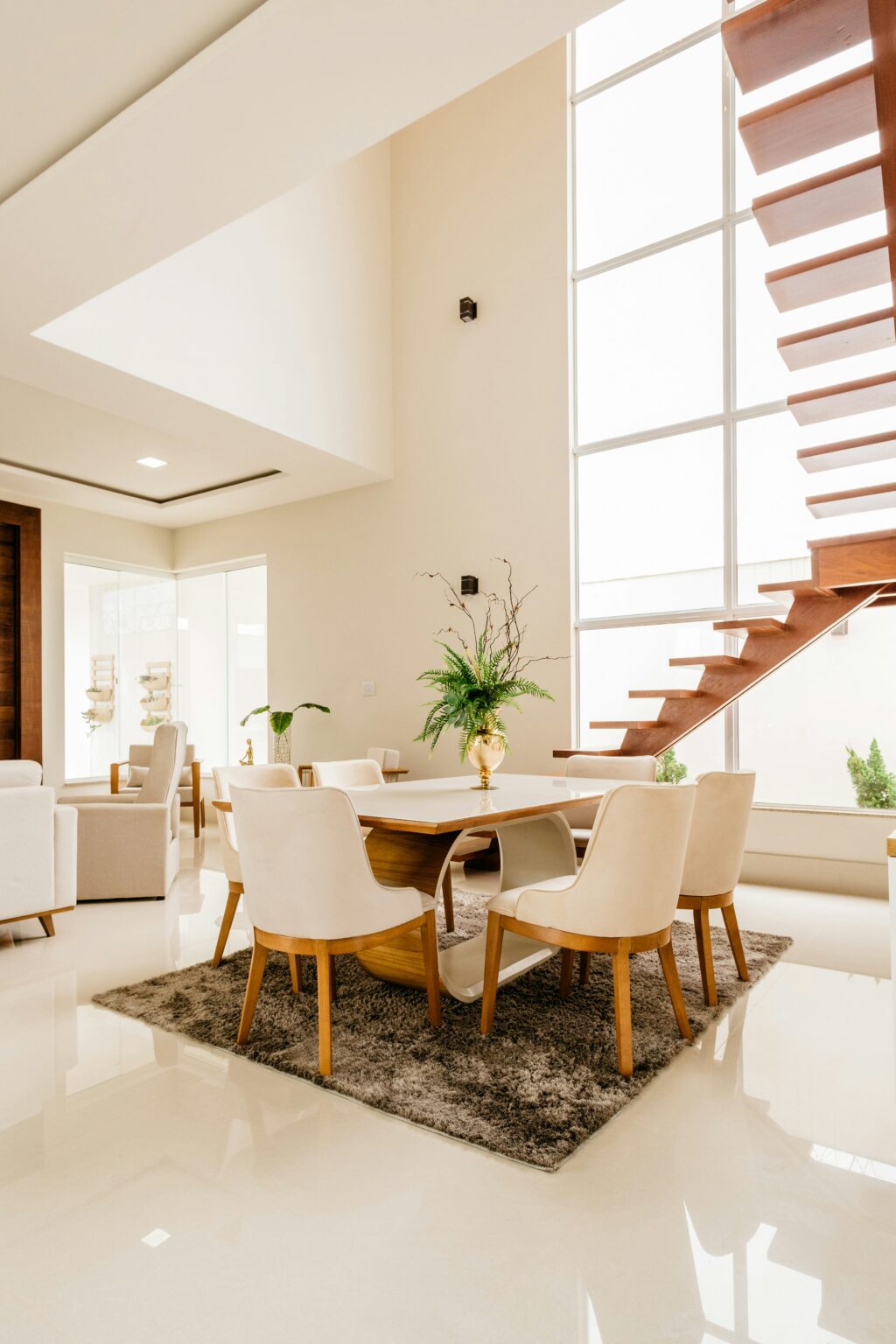
IMAGE: UNSPLASH
What Is Bess And Why Does It Matter For Builders?
At its simplest, BESS is a technology that stores electricity so it can be used later when demand is higher or renewable energy sources aren’t producing power.
In practice, this usually means pairing batteries with solar panels on a home, so any excess electricity generated during the day can be stored and used at night.
For homebuilders, the growing importance of BESS can’t be ignored. Today’s buyers want more control over their energy bills, and governments are increasingly encouraging renewable adoption through regulations and incentives.
By incorporating BESS into new builds, homebuilders can deliver properties that are not only energy-efficient but also future-proofed against rising costs and evolving market expectations.
The Push For Future-Proof Homes
Energy markets are unpredictable, and households are feeling the pressure of fluctuating bills. Future-proofing is no longer just a buzzword — it’s a selling point. Buyers want homes that won’t feel outdated in a few years, and that means planning for a world where renewable energy is the norm.
Integrating BESS from the start makes more sense than treating it as an afterthought. Designing homes with the right space, wiring, and safety measures for storage systems reduces retrofitting costs later on.
It also gives developers a clear edge: offering homes that are not just ready for today’s needs but prepared for tomorrow’s demands.
How Bess Changes Building Design
Including BESS in residential construction affects more than just the electrical setup — it influences the entire design process. Here are a few practical examples:
- Dedicated storage space: Builders are now considering where batteries will be housed, whether in garages, utility rooms, or specially ventilated areas.
- Load-bearing structures: Roofs designed for solar panels are often paired with internal layouts that allow for simple wiring and battery integration.
- Energy-efficient systems: Smart appliances, heating, and lighting can all be optimised when paired with BESS, helping homeowners make the most of stored energy.
- Safety considerations: Fire safety and ventilation are part of the planning process, ensuring storage units can be integrated safely and effectively.
In other words, thinking about energy storage is shaping everything from architecture to finishing details.
The Role Of Solar Power
While BESS is the star of the conversation, it works best in partnership with solar power. For homebuilders, solar panels have already become a familiar addition to many projects, but their real value is unlocked when paired with storage.
Without BESS, surplus energy generated during the day is often sent back to the grid — sometimes at a lower financial return. With storage, that power stays in the home, reducing bills and giving homeowners greater independence.
Builders who integrate both solar and storage solutions into their designs can offer buyers an attractive combination: lower running costs and a reduced carbon footprint.
Why It Makes Business Sense For Builders
Some homebuilders might hesitate, worrying about the upfront costs of incorporating new technologies. But there are strong business arguments for making BESS part of the plan:
- Market demand: Buyers increasingly expect energy-efficient, future-ready homes. Meeting this demand can mean faster sales and higher property values.
- Regulatory alignment: Building codes and energy standards are moving towards net zero. Integrating storage now ensures compliance in the future.
- Reputation: Builders who adopt innovative, sustainable solutions can stand out in a competitive market.
- Lower retrofit risk: Homes designed with storage in mind are easier to adapt, saving homeowners money and protecting builders from criticism over “outdated” designs.
For developers, it’s a chance to lead rather than follow.
Building For Tomorrow, Today
The construction industry has always been about more than bricks and mortar — it’s about anticipating what people need in the future. As renewable energy continues to grow, BESS is set to become a standard feature of modern homes, much like double glazing or central heating once were.
By understanding the role of storage, homebuilders can create homes that are attractive, efficient, and built to last.
It’s not just about keeping up with regulations or ticking a sustainability box — it’s about delivering real value to buyers and shaping neighbourhoods that will thrive for decades to come.
For homebuilders ready to embrace the future, the message is clear: caring about BESS today means building smarter, greener, and more desirable homes for tomorrow.
COMMENTS