


Something interesting has happened to gaming mice in the last few years. On one side the hardware stalled into iterative petty wars about grams, DPI numbers, and headline polling rates. On the other side a simple human truth kept advancing quietly: reaction time gets worse with age, and that change is measurable and meaningful.
The real significance here is not that Logitech produced another premium peripheral. What actually determines whether this matters is the gap between human reaction time and the mechanical latency of the input device. Cut the device side of the equation by 20 to 30 milliseconds and you can meaningfully change outcomes for players who are losing shots because they clicked a fraction too late.
That claim sounds small until it is placed next to real numbers. A player who recorded 160 to 170 milliseconds on a pure reaction test in their 30s can drift to 230 to 240 milliseconds in their mid 40s.
When a single hardware change reliably drops measured click latency from 240 to about 214 milliseconds, that is not a marginal tweak. It is a practical bridge back toward earlier reaction performance.
This article reveals where the Logitech G Pro X2 matters, what it does differently, and the tradeoffs that define its usefulness. Most people misunderstand the value proposition as raw aim enhancement. Instead, the important shift is the way click actuation is measured and simulated, and who benefits most from that shift.
A Fresh Pause After The Superlight Moment
The gaming mouse market felt like it hit a creative high around 2020 when a very lightweight competitor reset expectations for weight, sensor performance, and battery life. Since then the conversation split. Marketing leaned into easily measured figures, while meaningful innovation slowed.
The Superlight Moment
The Superlight era introduced mice in the roughly 60-gram range that felt like a revelation to many players. That weight threshold became a shorthand for responsiveness and comfort. After that milestone, many product cycles focused on shaving grams, poking holes in shells, or posting bigger peak DPS numbers in the spec sheet rather than changing how the mouse actually interacts with a human nervous system.
Marketing Metrics Outpaced Practical Gains
Sensors kept getting higher DPI numbers, and companies began advertising polling rates at 4000 and even 8000 Hz. Yet the reality for most pro and competitive players remained 1000 Hz polling as the accepted sweet spot. That gap between headline specs and on-the-ground practice is where the industry began to feel like it was selling optics instead of new capabilities.
What The Logitech G Pro X2 Changes
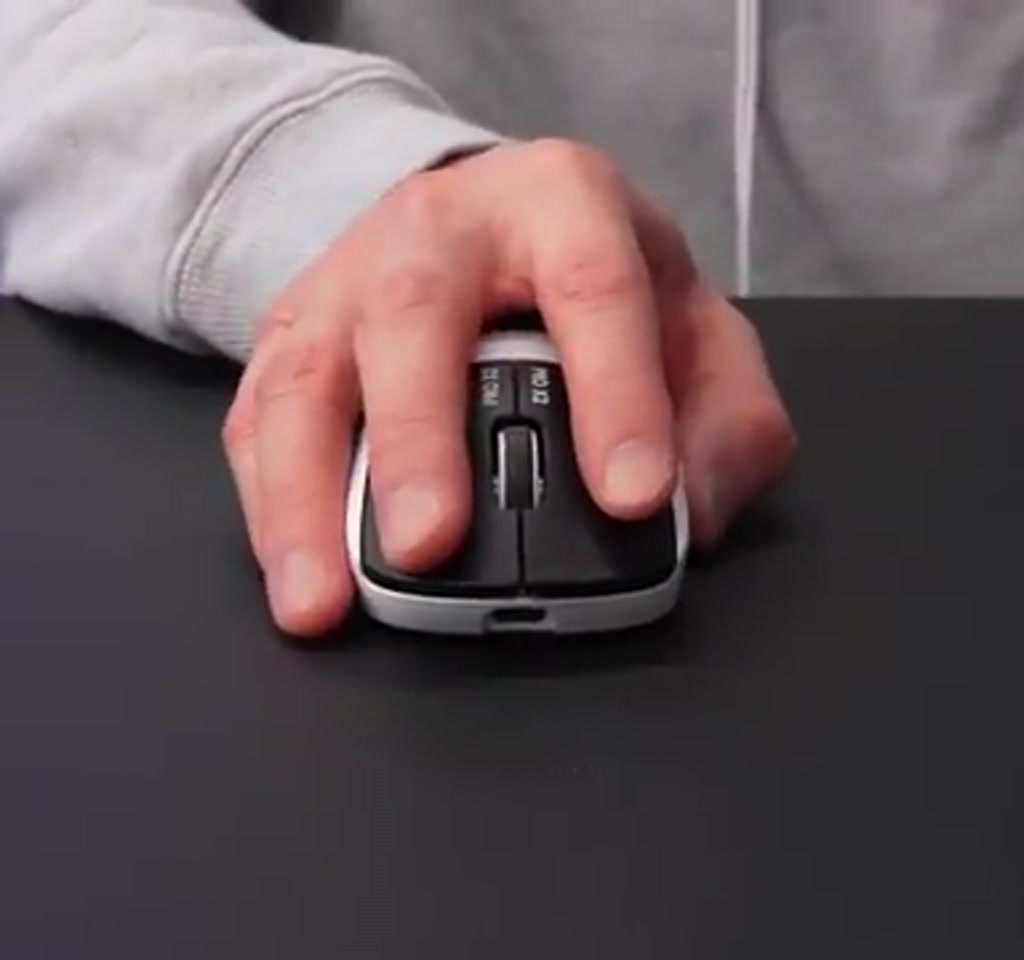
The G Pro X2 introduces a different engineering approach to the mouse press. Instead of a mechanical switch that completes a circuit through moving parts, it uses an inductive actuation system paired with a haptic motor that simulates the sensation of a click.
How Inductive Actuation Works
On the X2 the main buttons are sensed rather than physically switching contact. A coil-based sensor detects the actuation at the start of travel, while a small haptic device reproduces the expected tactile response. That arrangement allows the device to register intent earlier in the press than a conventional mechanical switch.
Why It Lowers Click Latency
Early detection reduces the physical travel that must occur before a click registers. Because the sensor picks up the movement sooner, the reported click time shifts forward by roughly 20 to 30 milliseconds on the fastest actuation setting in measured checks referenced here. That delta is the core latency advantage people discuss.
The Data Point That Changes The Conversation
On a pure reaction test where a light appears and the subject clicks as fast as possible, a player who normally scores around 240 milliseconds saw numbers fall to roughly 214 milliseconds using the X2 at the fastest actuation. That 20 to 30 millisecond improvement is the concrete measure that converts the engineering idea into practical value.
Who benefits from that shift depends on failure mode. If misses come from poor aim or tracking, earlier click registration does not help. If misses come from marginally late clicks, shrinking the device portion of the human plus hardware loop can flip outcomes in real matches.
Tradeoffs And Boundaries
Every new approach carries constraints. Here are the primary tradeoffs that define whether this mouse is the right tool for a given player.
Price Versus Benefit
The X2 sits in the premium tier, near one hundred eighty dollars. Buyers must judge whether a measurable 20 to 30 millisecond latency reduction justifies the cost compared to investments in training, coaching, or other hardware upgrades.
Ergonomics And Feel
The shape follows a universal, lightweight silhouette familiar from the Superlight era, which fits many hands but not all. The sensed actuation and haptic feedback can produce a different tactile impression than a crisp mechanical stop, and that change may require a period of adaptation.
Actuation Feedback And Tactile Tradeoffs
Because the system registers the click earlier while the button still travels, some users describe a spongy sensation after actuation. That tactile boundary is the exchange for faster detection, and how much it matters is a personal threshold rather than a universal defect.
Durability And Maintenance Considerations
Replacing a mechanical contact removes a common wear point that leads to double clicks over long use, but it concentrates failure risk into sensing electronics and haptics. That shifts the expected service profile rather than eliminating it.
Inductive Haptic Trigger Vs Mechanical Switches
Comparing inductive haptic actuation to traditional mechanical switches highlights four decision axes: latency, tactile fidelity, long-term reliability, and cost. Inductive systems can win on latency and potentially on consistent long-term contact behavior, while mechanical switches retain a familiar crispness and a long track record for repair patterns.
Latency
Inductive actuation registers earlier in the button travel and can reduce measured click latency by roughly 20 to 30 milliseconds versus conventional switches on the fastest settings. That advantage is most relevant when reaction time is the limiting factor.
Tactile Fidelity
Mechanical switches deliver an immediate physical stop that many players prefer for timing and feel. Inductive systems recreate that sensation with a haptic motor, which some describe as less precise or slightly spongy after registration.
Reliability And Repair
Traditional switches suffer from contact wear and potential double-click failures after heavy cycles. Inductive designs remove that contact wear but introduce new failure modes centered on sensors and haptics, which could affect repair costs and service life in different ways.
Durability, Patents, And The Industry Effect
Logitech has protected this inductive haptic approach with intellectual property, which makes this implementation a conditionally exclusive advantage. That exclusivity can keep prices high until competitors license similar ideas or develop alternative solutions that replicate the timing gains.
The larger consequence is directional. If the market accepts that shaving integrated human latency delivers measurable match outcomes, product roadmaps may pivot away from micro weight savings toward human-centered timing interventions. That shift would reshape how companies prioritize sensor, actuation, and haptic development.
Where This Leaves Players And The Market
For individual players the practical decision narrows to two checks. First, measure your reaction time on a pure test and assess how often marginally late clicks determine match outcomes. Second, decide whether a different tactile feel and the premium price are acceptable in exchange for a measurable timing advantage.
From a market perspective, expect observers to watch for follow-up designs and licensing moves. If other manufacturers can achieve the same latency gains without the same patent constraints, the price and availability limits will ease, and the calculus for adoption will shift.
Who This Is For And Who This Is Not For
Who This Is For: Players whose primary limiter is reaction latency rather than aim or tracking, older players with measurable reaction drift into the 200 to 300 millisecond range, and competitive gamers who frequently lose engagements by fractions of a second.
Who This Is Not For: Players focused on raw aim training, beginners who need to improve tracking and positioning, or buyers who prioritize tactile fidelity above marginal latency gains. Also not ideal for those unwilling to pay a premium for a targeted timing benefit.
FAQ
What Is The Logitech G Pro X2 Click Technology?
The G Pro X2 uses an inductive actuation system with a haptic motor to sense and simulate the click. The system detects the press earlier in the travel cycle and uses haptic feedback to produce the expected tactile sensation.
How Much Click Latency Does The X2 Save?
Referenced measurements show roughly a 20 to 30 millisecond reduction in click latency on the X2 when set to its fastest actuation mode versus conventional mechanical switches in similar mice.
Is The X2 A Magic Aim Enhancer?
No. The X2 helps when the limiting factor is reaction timing. It does not improve aim accuracy or tracking; those remain skills improved through practice and training.
Does The Inductive System Last Longer Than Mechanical Switches?
Removing mechanical contacts eliminates a common wear point that leads to double clicks, suggesting a potential durability advantage. However, the inductive system introduces different failure modes centered on sensors and haptics, so long-term outcomes depend on implementation and use patterns.
Will Patents Prevent Other Companies From Copying This?
The manufacturer holds patents on this specific approach, which may limit identical implementations. Competitors could license the design or develop alternate methods that yield similar latency gains, but timing and cost depend on market and legal developments.
Is The Change In Feel Significant Enough To Require Adjustment?
Some users report a spongy feeling after actuation because the system registers the click before full mechanical travel. That tactile difference can require a short adaptation period for players sensitive to button feel.
Should I Buy The X2 If I Am Trying To Improve My Game?
Only if your losses are frequently explained by marginally late clicks, and you accept the price and tactile tradeoffs. Otherwise, training in aim, tracking, and strategy often yields broader improvements per dollar.
Where Can I Follow Further Developments In Low Latency Peripherals?
Watch wireless and low-latency peripheral coverage, industry patent filings, and follow-up product announcements. Those sources will reveal whether this inductive haptic approach spreads or inspires alternate designs that achieve similar timing gains.
COMMENTS