


Modern IT workspaces thrive on collaboration, but they also demand focus. Developers, designers, and engineers often share open-plan offices filled with chatter, ringing phones, and the steady hum of machines. What seems like background noise builds into a constant distraction.
Productivity suffers, not because employees lack skill, but because their environment works against them.
Noise doesn’t just lower efficiency. It affects health. Studies show that long-term exposure to even moderate noise raises stress levels, drains energy, and erodes concentration. In fast-paced tech companies, where precision and creativity matter, this becomes a serious liability.
Businesses invest heavily in new software, ergonomic chairs, and sleek offices, but often ignore the invisible disruptor shaping daily performance.
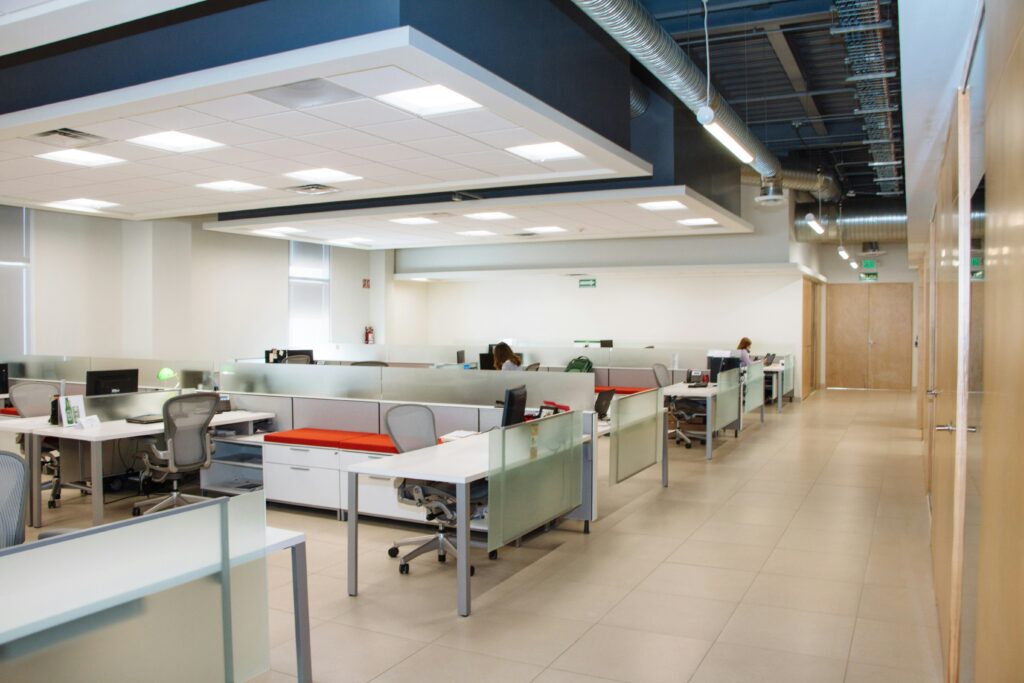
IMAGE: UNSPLASH
The Rise Of Smarter Acoustic Solutions
That’s where acoustic technology steps in. Instead of relying on outdated panels or bulky dividers, companies now turn to advanced solutions designed for modern offices. Materials are smarter, designs are sleeker, and performance is higher.
Among these, sound panels for office environments have become the go-to upgrade. They blend design with function, absorbing unwanted noise while fitting seamlessly into high-tech interiors.
The real innovation lies in the way these panels adapt to the needs of IT teams. They no longer serve just as static wall coverings. Today’s panels can integrate with sensors, track sound levels, and even adjust performance in real time.
This shift transforms noise control from a simple accessory into a strategic part of workplace design.
Innovative Materials Behind Next Generation Acoustic Panels
Materials have always been the backbone of acoustic technology. What has changed is how science and engineering push their limits. Instead of heavy, unsightly blocks of foam, new solutions rely on advanced composites and microscopic structures that absorb sound more efficiently.
From Nano Structures To Recycled Composites
Nano-perforated surfaces are leading the way. Tiny holes invisible to the eye disrupt sound waves and trap them inside layers of material. This creates remarkable sound absorption without sacrificing design. At the same time, recycled composites—made from plastics, textiles, and wood fibers—offer eco-friendly alternatives.
These materials satisfy both the acoustic needs of IT companies and the sustainability goals many of them prioritize.
Lightweight Designs With Strong Absorption Power
Weight has always been a challenge in office construction. Heavy panels are difficult to install, especially in flexible workspaces that shift layouts frequently. Modern panels solve this with lightweight cores combined with high-density outer layers. The result is an acoustic system that’s easy to mount, move, and customize.
Teams can rearrange offices without losing sound quality, a crucial advantage in fast-growing startups and agile IT firms.
IoT And AI Integration In Acoustic Tech
Beyond materials, the biggest leap forward comes from technology itself. The Internet of Things (IoT) and artificial intelligence (AI) now shape how offices manage noise. Acoustic systems no longer passively absorb sound. They actively monitor, analyze, and adapt to changing conditions.
Smart Sensors That Monitor Noise Levels
IoT-enabled panels come with built-in sensors that track decibel levels throughout the day. These sensors connect to central systems, giving facility managers real-time insights into noise patterns. For IT companies, this means data-driven decisions.
Instead of guessing which areas need improvement, they know exactly where noise peaks occur—meeting rooms during calls, open areas during stand-ups, or lounges during breaks.
AI Algorithms That Adapt Acoustic Environments In Real Time
Artificial intelligence takes this a step further. Algorithms process sensor data and adjust panel performance on the fly. Panels can shift absorption frequencies, adapt to sudden spikes, or enhance clarity in meeting rooms. Imagine a video conference where voices stay sharp, yet background chatter fades instantly.
This is no longer a futuristic vision but a reality that leading tech companies are starting to embrace.
Enhancing Hybrid And Remote Collaboration
Hybrid work is here to stay. Tech teams often split time between the office and home, relying on video calls and digital tools to stay connected. But poor office acoustics quickly ruin those calls. Echoes bounce, voices overlap, and small delays create frustration. Acoustic technology smooths these rough edges.
Clearer Audio For Video Conferences
In meeting rooms fitted with modern panels, voices carry naturally without distortion. Microphones pick up speech cleanly, while background noise fades. That clarity matters when remote teammates depend on every detail. A project update or design critique becomes easier to follow, which means fewer misunderstandings and stronger collaboration.
Reducing Echo And Background Distractions For Remote Teams
Even in open-plan areas, panels reduce the reverberation that makes calls exhausting. Remote colleagues hear focused discussions instead of the clamor of an entire office. The difference may seem small at first, but over weeks and months, it shapes trust and efficiency across distributed teams.
Acoustic Tech And Employee Wellbeing
Noise is not just an inconvenience. It’s a stress trigger. IT professionals spend hours coding, debugging, and problem-solving. A noisy backdrop drains their mental energy faster than most managers realize. Acoustic innovation tackles this invisible pressure point.
Lower Stress Through Quieter Spaces
Quieter offices calm the nervous system. Employees feel less tense and more in control of their workday. That translates into fewer headaches, better focus, and even lower turnover rates. In competitive IT industries, where retaining talent is critical, reducing stress through environmental design is a smart investment.
Better Focus And Creativity In Sound Balanced Environments
When distractions fade, the brain shifts into deeper concentration. Developers enter flow states more easily. Designers unlock creative solutions. Entire teams report higher satisfaction with their work. Acoustic panels don’t write code or design systems, but they create the conditions where innovation thrives.
Future Trends In Office Acoustic Innovation
The evolution of office acoustics is far from finished. Research and development continue to push boundaries, merging sustainability, design, and smart technology into one package.
Sustainable And Eco-Friendly Acoustic Solutions
Companies are demanding greener materials, and manufacturers are responding. Panels made from recycled textiles, natural fibers, or biodegradable composites are entering the market. They absorb sound while reducing environmental impact. For IT companies that often lead in corporate responsibility, adopting these solutions reinforces their reputation as forward-thinking employers.
Integration With Smart Building Systems
The next wave connects acoustic panels directly with building management systems. Noise data merges with lighting, climate control, and occupancy tracking. Imagine a workplace that automatically lowers noise, dims lights, and adjusts temperature when a meeting begins.
These integrated systems create environments that anticipate needs instead of merely reacting to them.
Why It Companies Should Invest In Acoustic Tech Now
The argument for acoustic innovation is simple. Better sound equals better work. In IT, where precision, collaboration, and creativity define success, ignoring acoustics means leaving performance on the table.
Commercial real estate is expensive, and every square foot should support productivity. Acoustic upgrades maximize that investment. Employees feel valued when their environment supports them, and clients notice when meetings run smoothly.
In the competitive tech industry, even small advantages matter. A quieter, smarter office may not grab headlines like a new app launch, but it strengthens the foundation of every project. Acoustic technology is no longer optional—it’s essential for companies that want to lead in both innovation and employee experience.

COMMENTS