


Technology continuously reshapes our understanding of the world, driving progress in science, medicine, and engineering. Among the many groundbreaking fields of research, innovations in extreme temperature applications have unlocked the potential of materials and processes that support cutting-edge advancements.
From preserving biological samples to enabling space exploration, these technologies are a cornerstone of modern innovation.

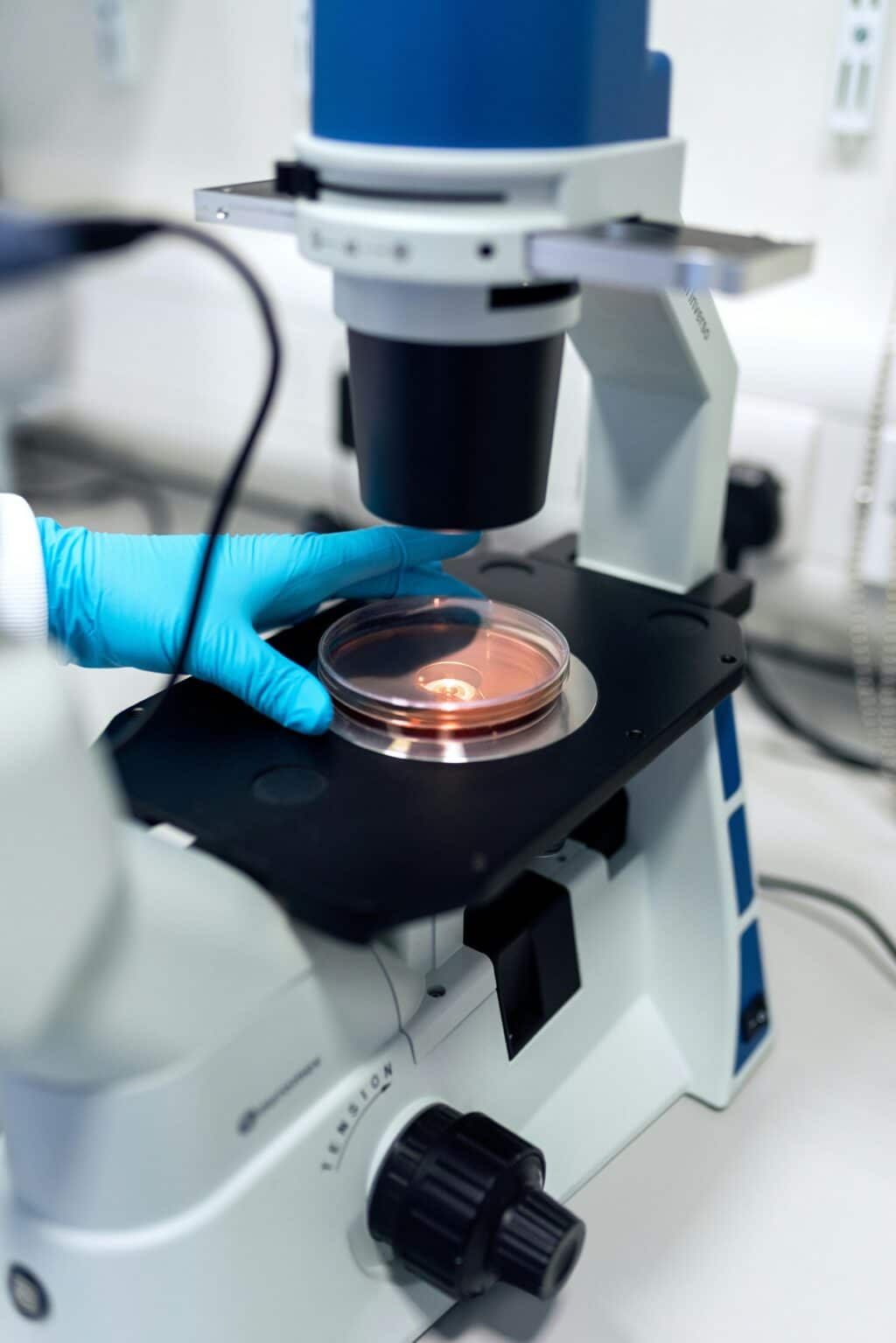
IMAGE: PEXELS
Understanding Extreme Temperature Technologies
The study and application of materials at temperatures below -150°c, where gases such as nitrogen and helium condense into liquids, is indispensable in many industries.
Medicine: It facilitates the long-term storage of biological materials such as blood, cells, and even entire organs, aiding in medical research and transplantation.
Space Exploration: Liquid hydrogen and oxygen, stored at ultra-low temperatures, are key components of rocket fuel.
Quantum Computing: Superconducting materials, cooled to these temperatures, form the basis of quantum bits (qubits) in advanced computing systems.
Energy: These technologies are used in the transportation and storage of liquefied natural gas (LNG), a cleaner alternative to traditional fuels.
Technological Components Supporting Low-Temperature Applications
Advancements in extreme temperature systems require precise control over temperature, pressure, and fluid dynamics. This is achieved using specialized tools and devices that ensure efficiency and safety. For instance, phase separation technology plays a critical role in managing the flow of ultra-cold fluids, particularly in complex industrial processes.
A Demaco Phase Separator, for example, is used in systems that distribute fluids like liquid nitrogen or helium.
These devices are not merely engineering marvels; they are essential for ensuring that such fluids are delivered in their optimal state, free from bubbles and temperature fluctuations that could disrupt sensitive processes.
Broader Impacts Of Low-Temperature Technologies
The societal influence of low-temperature technologies is profound, touching diverse fields and applications. This area of innovation supports critical healthcare advances such as fertility treatments and vaccine storage, enabling ultra-cold preservation techniques essential for modern medicine.
It also underpins advancements in environmental science, where cryogenics is applied in carbon capture and storage solutions to combat climate change.
In materials science, these technologies allow researchers to test materials under extreme conditions, closely replicating the harsh environments of outer space. These experiments are fundamental in advancing knowledge and applications that extend beyond Earth’s atmosphere.
Advancing Science – Challenges And Future Directions
Despite its numerous benefits, maintaining ultra-low temperatures demands significant energy, which can lead to high operational costs. Researchers are working on improving the energy efficiency of such systems and exploring alternative cooling technologies to make these processes more sustainable.
As industries adopt more sophisticated solutions, the role of innovative tools like phase separators becomes even more critical. These devices must evolve to meet the growing demands of high-tech applications while maintaining safety and efficiency.
Technology continues to push the boundaries of what is possible, and innovations in ultra-low temperature systems are prime examples of how advancements can open new frontiers. By enabling the exploration and manipulation of materials under extreme conditions, these technologies support breakthroughs in fields ranging from medicine to space exploration.
Such advancements remain at the forefront of scientific progress, inspiring a future where the impossible becomes reality.
COMMENTS