


Digital tools now dominate both the personal and professional lives of virtually everyone in the United States. This creates a dual challenge for companies: supporting employee well-being while ensuring enterprise safety.
Employees struggle with constant connectivity and the need for digital detox, while IT and HR teams must maintain productivity and safeguard data.
These goals may seem unrelated, but the overlap between digital well-being and enterprise safety is real. When you strike the right balance, you can create a thoughtful workplace that employees feel good about while protecting against risks like data leakage and productivity loss.
This article explores five areas where HR and IT can align these priorities through collaborative practices.

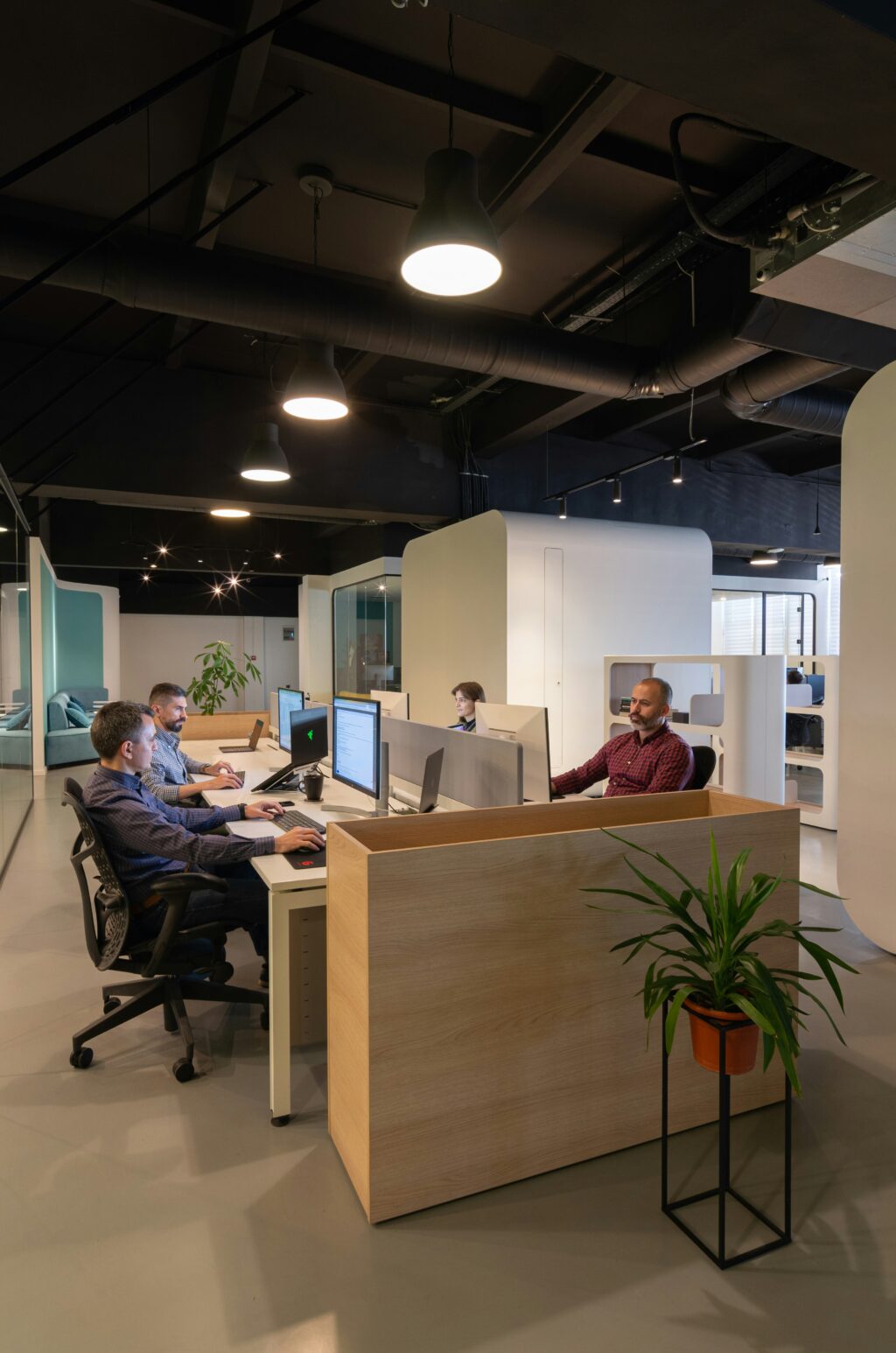
IMAGE: UNSPLASH
1. The Attention Economy vs Employee Productivity
Your employees face constant notifications, open tabs, and the tempting lure of social media. These digital attention seekers fragment focus and chip away at productivity. What employees likely don’t realize is that these distractions can pose security risks.
When they use unauthorized tools or unvetted websites for workarounds, they potentially introduce shadow IT and compliance violations.
HR and IT can collaborate to create “focus time” policies that encourage employees to silence notifications and block non-essential apps during work hours. Digital well-being workshops can educate team members about brain fatigue and the negative effects of multitasking, helping them set boundaries around technology overuse.
IT can implement tools like browser extensions that limit distracting content during work hours.
2. The Role Of Website Blockers In The Modern Workplace
For years, companies viewed website blockers as blunt instruments—tools that punish employees. However, with the shift toward digital well-being, enterprise-grade website blockers can play a positive role in enforcing acceptable-use policies while supporting employee wellness and enterprise safety.
Unmanaged and unmonitored websites often expose organizations to excessive malware and data leakage.
Intelligent website blockers offer a modern solution to protecting sensitive information. HR and IT can work together to customize these applications and provide transparency to teams. Employee self-management options ensure team members don’t feel micromanaged.
It’s crucial to communicate that these tools aren’t for surveillance but to create a healthier, more focused digital environment.
3. Burnout From Over-connectivity
The rise of remote and hybrid work has blurred the lines between work and home. Employees struggle with expectations—implied or explicit—that they remain available around the clock. This constant pressure leads to digital burnout, poor mental health, and increased likelihood of mistakes.
Overworked staff may become disengaged and, by extension, negligent with security protocols.
HR can define and enforce digital boundaries for everyone’s benefit. Examples include no-email windows after work hours and meeting-free days. IT can provide technical support by implementing guardrails like disabling after-hours email notifications.
This collaboration aligns wellness initiatives with IT policy, ensuring both employee health and security standards remain priorities.
4. The Consumerization Of Workplace Tools
As digital tools become faster and easier to use, employees expect their workplace technology to mirror their personal apps. Problems arise when they download and use unauthorized software, bypassing enterprise security controls. Even with good intentions, these workarounds create data silos and compliance gaps.
Instead of cracking down on employees, HR and IT can create a more open and transparent workplace. Establish a software request and evaluation process that everyone understands and supports. HR can collect feedback to understand usability concerns and adoption challenges, while IT assesses security and integration feasibility.
This collaborative approach reduces the appeal of risky consumer-grade applications.
5. Monitoring vs Trust
Organizations invest in monitoring tools to protect systems and enforce policies, but this monitoring can make employees uneasy and fearful. They may feel watched at every keystroke.
Excessive surveillance can erode the trust essential to positive work environments and trigger employee pushback that undermines morale.
Organizations need visibility to ensure safety and compliance, but transparency is key. HR should communicate all monitoring plans, including the rationale and implementation details. Focus on anonymized analytics and behavior-based alerts instead of invasive tracking. When teams understand that monitoring tools protect everyone, they’re more likely to support them.
Shared Responsibility In A Sustainable Digital Workplace
Balancing digital well-being and enterprise safety isn’t just possible—it’s imperative. HR and IT teams must collaborate to break down silos and align these shared goals. When you share ownership of the digital employee experience, you create environments where both people and data are protected.
By integrating digital wellness principles into enterprise controls, businesses can build safer, healthier, and more productive workplaces.
COMMENTS