


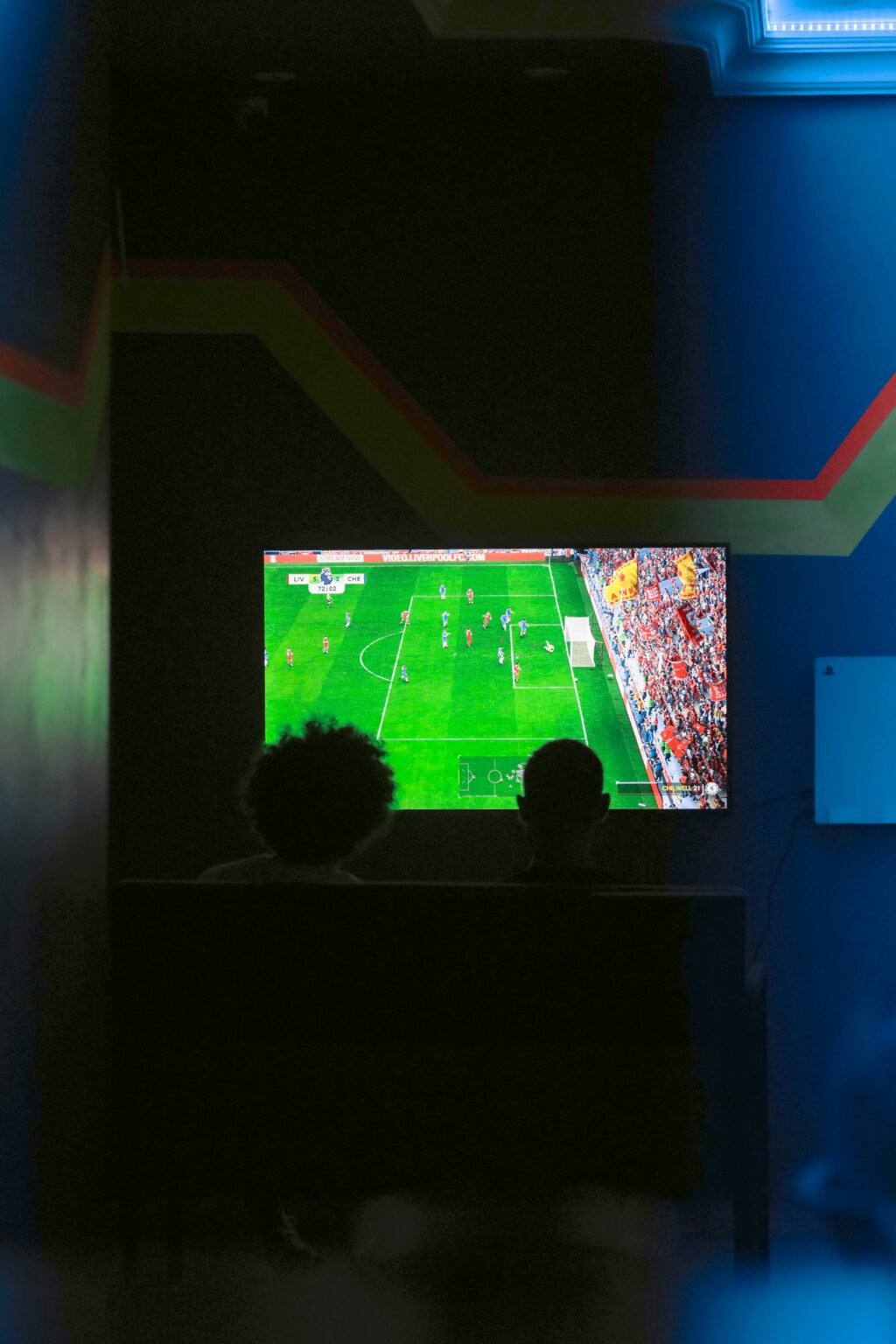
From the armchair to the airport lounge, fans are now closer than ever to the heartbeat of football. Real-time data, second-screen experiences, mobile alerts, fantasy apps, and even live chatrooms have revolutionized how games are experienced beyond the stadium seats.
It is not just about watching a match anymore — it is about being part of it, in real time.
This article dives deep into the key technologies and platforms enhancing football fandom today, transforming passive viewership into active participation, with every stat, contract, and update mattering more than ever.

IMAGE: UNSPLASH
Fantasy Football Platforms And Real-Time Synchronization
Fantasy football has surged beyond being just a game of predictions. Platforms like ESPN Fantasy and NFL Fantasy Football now update player stats of the moment they happen.
Whether a quarterback throws a 40-yard touchdown or a kicker misses a field goal, these platforms reflect it within seconds, impacting fantasy rankings and head-to-head matchups instantly. This level of synchronization has turned casual fans into analytical managers who track every player’s performance live.
Over 60 million people participate in fantasy football worldwide, with live scoring features now a staple offering across platforms.
Push Alerts: The New Whistle Blowers
Gone are the days of waiting for halftime recaps. Mobile apps like Bleacher Report, Yahoo Sports, and The Athletic send real-time alerts for goals, injuries, substitutions, and even controversial VAR decisions. Users receive push notifications within 3-5 seconds of on-field events.
In 2023 alone, over 72% of sports fans opted for live match alerts — including red card alerts that boost app engagement by 25%.
These alerts trigger immediate discussions across social channels and fantasy leagues, making fans feel like they are watching the action unfold even while away from the screen.
Live Stat-Tracking On Second Screens
Fans are now consuming football with dual-screen experiences. Second screens — tablets or mobile phones — run advanced stat-tracking platforms like SofaScore, WhoScored, and Opta. These platforms offer heat maps, passing accuracy percentages, XG (expected goals), key passes, duels won, and more.
For instance, Erling Haaland’s 91% shot conversion rate during the 2024 season was dissected live during games by fans using these tools. As of 2024, 64% of fans admit they watch games with a second screen just for analytics — a drastic shift from traditional score-following.
With football betting apps becoming ubiquitous, fans now place micro-bets in the same timeframe it takes a team to win a corner. Real-time data feeds directly into odds calculations, making dynamic betting possible.
For instance, after Harry Kane’s second goal in the 34th minute against Bayern Munich last October, hat-trick odds were updated within 12 seconds.
Apps like Fanatics Sportsbook are emerging as fan favorites by combining live stats, in-play betting options, and personalized alerts—helping users stay deeply connected to the action, wherever they are.
Social Media As A Real-Time Football Bar
X (formerly Twitter), Instagram Stories, and TikTok Lives have transformed match commentary into crowd-sourced entertainment. Hashtags like #FIFAWatchParty or #LiveVAR trend minutes into any major football game.
For instance, during the 2024 UEFA Champions League Final, over 9.2 million tweets were shared in real time — with 1.6 million referencing Vinícius Jr.’s assist. Fans no longer wait for pundit analysis; they create, debate, and distribute it.
These platforms act as virtual sports bars, connecting global fans with memes, replays, and hot takes faster than broadcasters.
Interactive Matchday Apps And Augmented Stadiums
Apps like OneFootball and CBS Sports App now go beyond live updates. They allow fans to switch between camera angles, view tactical overlays, and even simulate manager decisions.
Augmented Reality (AR) features let users point their phone at the TV to see stat overlays like pass networks or ball recoveries. During the 2024 MLS Cup, over 310,000 users interacted with AR-based heat maps within the first 30 minutes.
These immersive tools replicate the stadium environment for fans at home, personalizing the matchday experience.
Instant Replay And AI Highlight Generators
AI-powered tools like WSC Sports and IBM Watson can now generate personalized highlight reels within seconds. These clips are based on user preferences — goals, player involvement, or team focus.
In one case study, La Liga delivered over 1.2 million custom video highlights during the 2023-24 season using WSC’s AI engine. Highlights are pushed to users’ devices before the next play even begins.
Fans can watch a missed goal or controversial call in real-time without rewinding or switching apps, keeping engagement high throughout the match.
Voice Assistants As Matchday Sidekicks
Smart speakers like Amazon Echo and Google Nest have entered the football arena. By simply asking, “Who scored in the Liverpool game?”, fans get real-time answers with stat-backed context. As of Q1 2025, 42% of sports fans in the U.S. use voice assistants during matchdays, with usage peaking during high-stakes tournaments like the Euros and Copa América. The integration includes goal alerts, injury reports, fantasy stats, and betting updates — all accessible without lifting a finger, keeping fans informed during commutes or chores.
Real-Time Fan Polls And Gamified Engagement
Broadcasters like NBC Sports and Amazon Prime Video have integrated live polls during matches — asking fans to predict who scores next or vote on the Man of the Match.
These are not gimmicks: during a Premier League broadcast in March 2024, over 2.4 million votes were cast across five live polls. Viewers who participate are rewarded with loyalty points, digital trophies, or unlock exclusive content.
The gamification of football fandom elevates passive viewing to an interactive experience, encouraging constant attention and participation.
Wearable Tech And Biometric Data Access
Smart wearables used by players — such as GPS vests and heart-rate monitors — now share sanitized data with fans in real-time. Fans can access metrics like distance covered, sprint speed, and heart rate during peak moments.
During the 2024 World Cup Final, Kylian Mbappé’s top speed of 38.2 km/h and Jude Bellingham’s 12.8 km coverage in 90 minutes were streamed live to the public through FIFA’s mobile app. These details allow fans to appreciate player performance on a deeper, more physiological level.
The Future Of Real-Time Football Fandom
The convergence of mobile alerts, real-time stat dashboards, fantasy league engines, interactive AR overlays, and voice-command updates is blurring the line between fans and analysts. Every play, tackle, sprint, and stat is now shared, dissected, and experienced live.
What began as score updates has evolved into a digital symphony of immersive experiences. As platforms innovate further, fans will not only watch football — they will live it in every digital heartbeat, transforming the global game into a personal journey.
COMMENTS