


With the increasing popularity of cryptocurrencies, questions about the storage and security of digital assets are becoming more relevant.
Self-custody and third-party custody are two of the most widespread ways. Each is associated with certain advantages, obligations, and risks.
Below are some notable differences between these two types of crypto custodians to guide your decisions and help keep your cryptocurrencies safe.
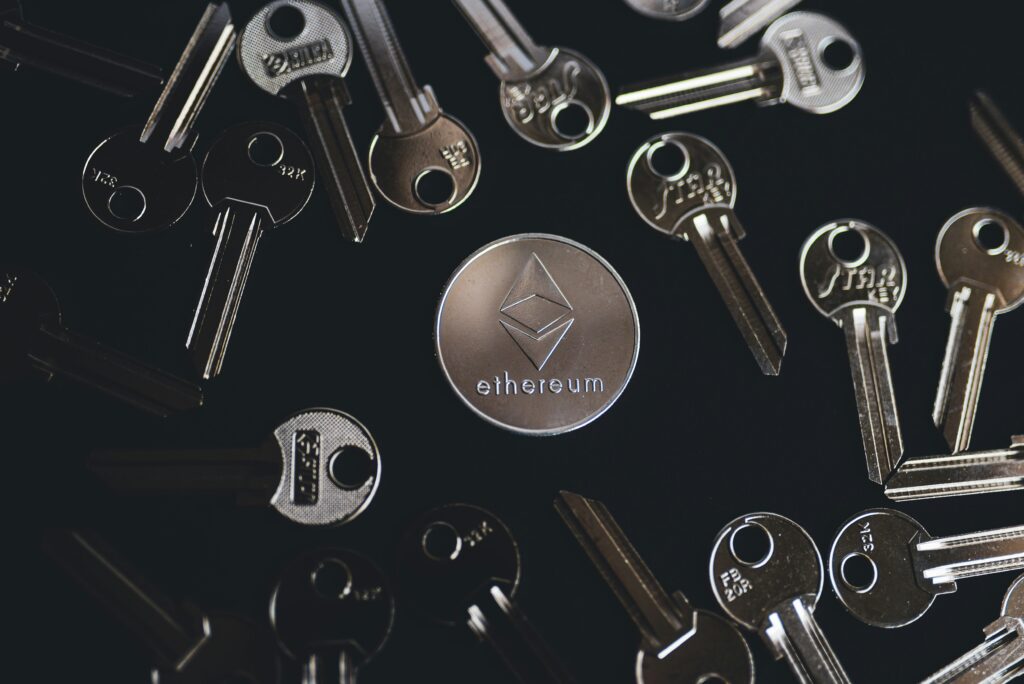
IMAGE: UNSPLASH
Control Over Private Keys
The most fundamental difference lies in who controls the private keys. In self-custody, the controller of your private keys is you, usually using a hardware wallet, software wallet, or paper wallet. This implies that no other person can gain complete access to your crypto.
Conversely, third-party custody involves the risk of entrusting a third party (such as an exchange or crypto custody service) to oversee and hold onto your personal keys. Being a convenient option, this will depend on their security infrastructure and integrity.
Responsibility And Security
With self-custody, you take full responsibility for securing your cryptocurrencies. There’s no help desk to recover lost passwords and stolen assets. This model requires technical expertise, proper backups, and even a tolerance to human failure.
In the meantime, third-party custody transfers most of the security responsibility to professional companies, which tend to adopt institutional-level protections.
Most crypto custody providers offer regulation compliance, insurance, and multi-signature wallets. All of which is particularly appealing to institutional investors or users unwilling to remotely control their own keys.
Convenience And Accessibility
Third-party custodians typically offer customer service, user-friendly platforms, fiat on-ramps, and fast transaction processing features. This makes cryptocurrency more accessible to regular people or enterprises that demand frequent liquidity.
Self-custodianship, however, may be more complicated, especially for newcomers. Seed phrases, firmware updates, and care will be required each time you manually make a transaction.
Although theoretically more secure, such an arrangement can prove cumbersome when done regularly or for considerable amounts.
Risk Of Centralization vs Sovereignty
Self-custody fits the decentralized ethos of crypto—trustless, cross-border, and decentralized. It grants total control over your holdings, so that governments, institutions, or hackers cannot steal your finances —unless they happen to gain access to your keys.
Alternatively, third-party custody brings in some degree of centralization. Your assets are at risk if the custodian becomes hacked, becomes bankrupt, or faces regulatory action.
We have witnessed such incidents in history, such as Mt. Gox or FTX, where consumers lost access to their funds due to custodial failure.
Ideal Users For Each Method
Advanced users, long-term holders (HODLers), and individuals who value privacy and control should utilize self-custody. Individuals holding substantial amounts of cryptocurrencies and seeking to mitigate counterparty risk also benefit from this custody.
Third-party custody is suitable for casual users, expert traders, or institutional investors who prioritize ease of use, compliance, and risk management.
Plus, regulated custodians, like BitGo, are now being utilized by many large funds and exchanges to ensure their assets are in the hands of trustworthy professionals.
Final Verdict
The decision to custody your crypto yourself or to entrust it to a third party depends on your experience and risk tolerance, as well as how you plan to use it. No universal solution fits every person; only what aligns with your values and aims.
Disclaimer: The above references an opinion of the author and is for information purposes only. It is not intended to be investment advice. Seek a duly licensed professional for investment advice. Invest responsibly and never invest more than you can afford to lose.

COMMENTS