


Getting hit by a motorcycle can be a jarring experience, leaving you disoriented and uncertain about the next steps. Prioritizing your safety and well-being right after the incident is vital. It’s important to assess your injuries and make sure you’re out of harm’s way. But that’s just the beginning.
There’s a lot more to contemplate, from contacting emergency services to dealing with insurance claims. Let the lawyers at The Echavarria Law Firm in San Antonio , help with your motorcycle accident injury claims.
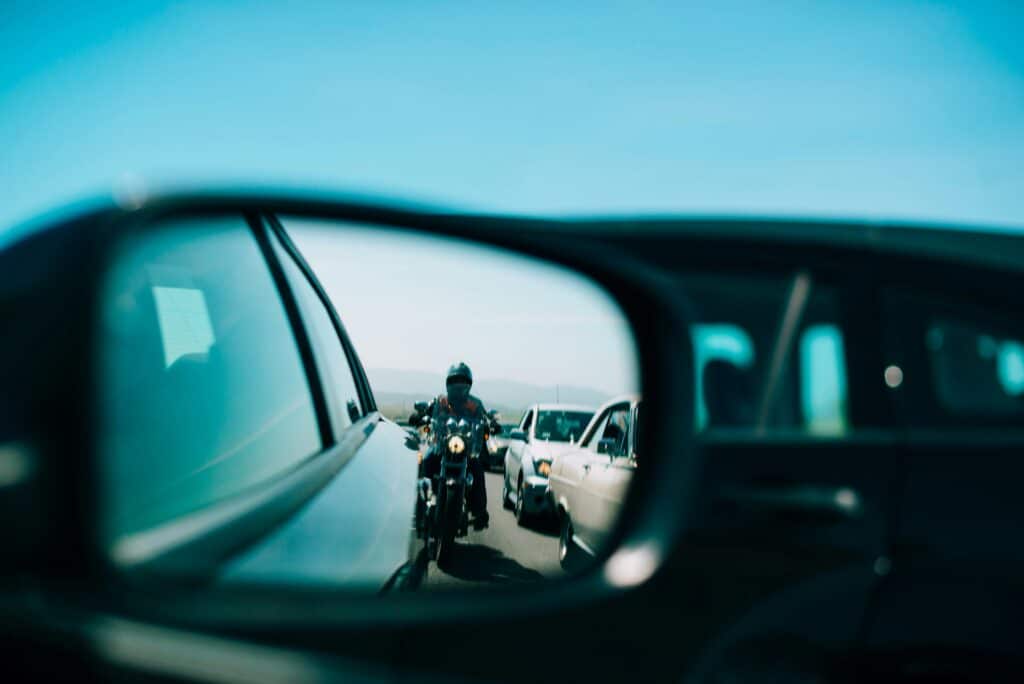
IMAGE: UNSPLASH
Assessing Immediate Safety And Health
If you’re hit by a motorcycle, your immediate priority should be evaluating your safety and health.
First, take a deep breath and remain calm. Quickly check for any visible injuries. If you can, move to a safe spot away from traffic to prevent further harm.
Assess your ability to move; don’t risk worsening possible injuries by attempting to stand or walk if you’re in pain. Pay attention to any dizziness, confusion, or difficulty breathing—these could be signs of a more serious injury.
Be mindful of your surroundings to guarantee your safety from other vehicles. If passing bystanders offer help, communicate your needs clearly.
Stay as alert as possible and focus on maintaining a clear head to better assess your condition.
Contacting Emergency Services
When you’re hit by a motorcycle, contacting emergency services should be your top priority to get immediate medical assistance.
Make sure you provide accurate details about your location, the accident, and any visible injuries. This information will help responders arrive quickly and prepare for the necessary care.
Immediate Medical Assistance
Although accidents can be disorienting and overwhelming, it’s essential to prioritize immediate medical assistance if you’re hit by a motorcycle. Your safety and well-being should come first.
Quickly evaluating your situation can guide your next steps. Here’s what you should do:
- Call 911: If you can, contact emergency services immediately. Speed is vital for ensuring you receive the right care.
- Stay Calm: Panic can worsen injuries. Take deep breaths and remain as composed as possible.
- Avoid Moving: Unless there’s imminent danger, stay still to prevent further harm.
- Signal for Help: If you can’t call, signal bystanders to get help.
- Check for Injuries: Gently evaluate your injuries, but don’t attempt to treat serious ones.
Prompt action can greatly improve outcomes.
Providing Accurate Information
After ensuring your immediate safety, providing accurate information is essential when contacting emergency services.
Start by clearly stating your location. Mention landmarks or street names to help responders find you quickly. Describe the situation succinctly: say you were hit by a motorcycle, and mention any visible injuries. If there are others involved, include that information too.
Next, provide any known details about the motorcycle, like its color or license plate number, if possible. This helps authorities identify the vehicle.
Don’t forget to mention your phone number so emergency operators can reach you if needed.
Stay calm and answer their questions. The more precise your information, the faster help will arrive, ensuring you receive the necessary care promptly.
Gathering Information At The Scene
After ensuring your safety, start gathering essential information at the scene. Talk to witnesses and record their statements, take clear photos of the scene, and exchange contact details with everyone involved.
This information will be important for insurance claims and any legal actions that might follow.
Document Witness Statements
When you find yourself at the scene of a motorcycle accident, it’s essential to quickly gather witness statements to guarantee accurate documentation of the event.
Approach individuals who saw the incident and ask them to recount what they observed. Make certain to note down their details for future reference.
These statements can be critical for insurance claims or legal processes.
Here’s a handy checklist for collecting witness information:
- Names and contact details: Ensure you have a way to reach them later.
- Time and location of the accident: Confirm the details align with your observations.
- Sequence of events: Ask them to describe what happened in their own words.
- Weather and road conditions: Observations on these can be essential.
- Any other relevant details: Encourage sharing any additional insights.
Capture Scene Photos
While you’re still at the scene of the accident, it’s essential to capture detailed photos of the area to aid in reconstruction and future analysis.
Start by photographing the motorcycle from multiple angles, ensuring you capture any damage it has sustained. Document the position of the vehicles involved, including any skid marks or debris.
Take wide shots of the entire scene to provide context, including traffic signs, signals, and road conditions. Remember to photograph any visible injuries you’ve sustained.
If weather conditions might change, note them in your photos. Use your phone’s timestamp feature to verify when each photo was taken.
These images can serve as vital evidence and support your account of the accident when needed later.
Exchange Contact Information
Exchanging contact information is vital after an accident, as it guarantees all parties can communicate and resolve matters efficiently.
Approach the motorcyclist calmly and make sure you gather the necessary details. This not only aids in insurance claims but also in any potential legal proceedings.
Be sure to include:
- Full name and contact number
- Motorcycle license plate number
- Insurance company and policy number
- Driver’s license number
- Vehicle make and model
Don’t forget to provide your own information as well. By exchanging these details, you make sure that any follow-up is smooth and straightforward.
It’s also wise to note the time and location of the accident for future reference. This step is vital in documenting the event and protecting your interests.
Seeking Medical Attention
After a motorcycle accident, it’s important to seek medical attention immediately, even if you think you’re unharmed. Adrenaline can mask pain and injuries, so getting a professional evaluation is imperative. Head to the nearest hospital or urgent care center right away.
Trained medical staff will assess your condition, checking for hidden injuries like internal bleeding or concussions, which aren’t always immediately noticeable.
Don’t delay this step, as timely intervention can prevent complications. Remember to keep records of medical visits and treatments. These documents can be essential for your recovery process and might be useful later if you need to discuss your situation with insurance companies or legal advisors.
Your health is the top priority, so prioritize a thorough medical check-up.
Reporting The Accident To Authorities
After ensuring your safety and receiving medical attention, it’s important to report the accident to law enforcement as soon as possible.
You’ll need to provide essential details like the location, time, and any visible damage or injuries.
This information helps authorities document the incident accurately and can be significant for insurance claims or legal actions later.
Contacting Law Enforcement Immediately
When you’re involved in a motorcycle accident, it’s vital to contact law enforcement immediately to verify the situation is properly documented.
Doing so guarantees a formal record, which is important for insurance claims and potential legal actions.
Here’s what you should do:
- Call 911: Report the accident and provide your location and details about any injuries.
- Stay at the scene: Wait for the police to arrive to avoid legal complications.
- Confirm safety: If possible, move to a safe area to avoid further incidents.
- Communicate clearly: Provide factual information to the officers without admitting fault.
- Obtain contact information: Ask for the officer’s name and badge number for future reference.
Gathering Essential Accident Details
One of the most essential steps after a motorcycle accident is gathering important accident details to guarantee accurate reporting to authorities.
Start by noting the exact time and location of the accident. Take clear photos of the scene, including damages to vehicles, road conditions, traffic signs, and any visible injuries. Gather contact information from witnesses, as their accounts can provide significant insights.
Write down the motorcycle’s license plate number, make, and model. If possible, exchange details with the rider, including their insurance information.
Remember to document weather conditions and anything unusual about the surroundings. Being thorough guarantees authorities have a detailed understanding of the incident, which can be critical for insurance claims and legal procedures.
Stay calm and focused during this process.
Understanding Legal Responsibilities
Although getting hit by a motorcycle can be a traumatic experience, it’s crucial to quickly understand your legal responsibilities to protect your rights.
Start by ensuring your safety and that of others involved. Then, focus on fulfilling legal obligations to set a strong foundation for any potential legal proceedings.
- Call the authorities: Report the accident to the police, ensuring an official record is created.
- Exchange information: Share and collect contact and insurance details with the motorcyclist.
- Document the scene: Take photos or videos of the accident scene and any damages.
- Seek medical attention: Get checked by a healthcare professional, even if injuries aren’t immediately obvious.
- Avoid admitting fault: Stay calm and only discuss facts with law enforcement and legal representatives.
Understanding these responsibilities helps safeguard your interests.
Dealing With Insurance Claims
After addressing your legal responsibilities, you should focus on handling insurance claims efficiently.
First, notify your insurance company as soon as possible. Quick reporting guarantees a smoother claims process. Provide them with basic details of the accident, like the date, time, and location. If you have the motorcyclist’s insurance information, share that too.
Be honest and accurate in your account to avoid complications later.
Next, review your policy to understand what it covers, including medical expenses and property damage. This knowledge helps you know what to expect financially.
Follow up regularly with your insurance adjuster to stay updated on your claim’s status. Remember, keeping detailed records of communications with your insurer can prevent misunderstandings and expedite the process.
Documenting Evidence And Injuries
When involved in an accident with a motorcycle, gathering evidence and documenting injuries become crucial steps. You need to make certain that you have a detailed record of the incident.
Start by taking photos of the scene, focusing on the motorcycle and any damage. Capture your injuries as soon as possible. If there are witnesses, get their contact information and statements.
Keep a journal of your medical treatment and symptoms over time. Here’s what to do:
- Photograph: Capture the scene, vehicle damage, and your injuries.
- Witnesses: Obtain and note down their statements and contact details.
- Medical Records: Maintain copies of all medical documents and bills.
- Police Report: Secure a copy for your records.
- Personal Notes: Write down your recollection of the incident.
These steps help protect your interests.
Consulting With A Legal Professional
Seeking the guidance of a legal professional is a smart move after a motorcycle accident. They can help you navigate the complex legal landscape and guarantee you understand your rights and options.
An attorney will evaluate your case, determine liability, and calculate potential compensation. They’ll also handle negotiations with insurance companies, who often try to minimize payouts.
Don’t hesitate to ask questions during your initial consultation. Inquire about their experience with motorcycle accident cases and discuss their approach to handling yours.
Many attorneys work on a contingency fee basis, meaning they only get paid if you win your case. This arrangement can alleviate financial concerns.
Managing Emotional And Psychological Impact
Being involved in a motorcycle accident can leave you with more than just physical injuries; the emotional and psychological impact can be profound.
It’s essential to address these aspects to aid your recovery. Start by acknowledging your feelings and seeking support. You don’t have to navigate this alone.
Here are some steps you can take:
- Talk to a therapist: Professional guidance can help you process trauma and anxiety.
- Join a support group: Sharing experiences with others can provide comfort and understanding.
- Practice mindfulness: Techniques like meditation can reduce stress and promote emotional healing.
- Stay active: Gentle physical activities can improve mood and overall well-being.
- Maintain a routine: Consistency can provide a sense of normalcy and stability during recovery.

COMMENTS