


The medical aesthetics industry has always been driven by technology, but the pace of innovation over the past three years has been something different entirely. Laser platforms that would have been considered cutting-edge in 2020 are now being replaced by devices with significantly more precision, broader applications, and meaningfully shorter recovery times.
AI is being layered into diagnostics and treatment planning. And patients are arriving at consultations better informed and with higher expectations than any previous generation.
For anyone considering cosmetic laser treatments, or simply curious about where the technology is heading, here is what is actually changing and why it matters.
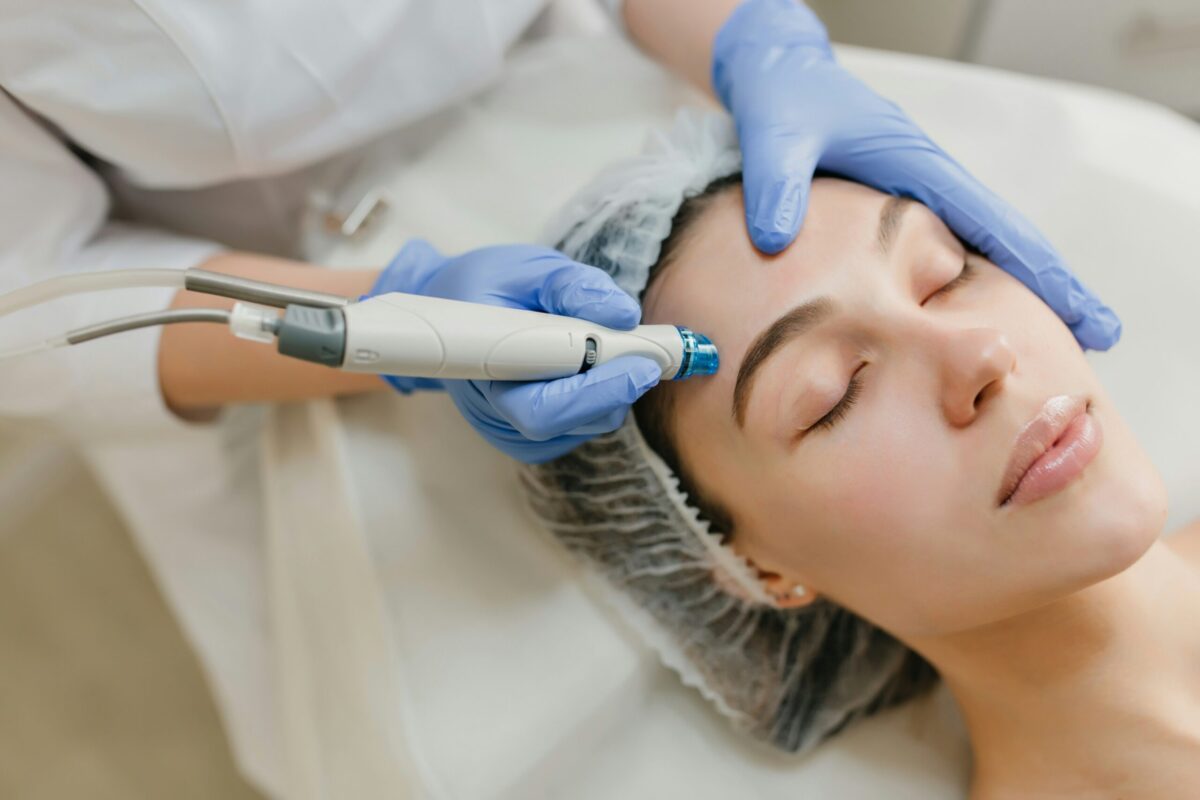
IMAGE: UNSPLASH
Ai-Assisted Skin Analysis Is Raising The Diagnostic Baseline
One of the most significant shifts in cosmetic clinics over the past two years has not been in the treatment room itself but in what happens before it. AI-powered skin analysis tools can now assess skin texture, pigmentation, hydration levels, and underlying structural changes with a level of precision that exceeds what the naked eye can observe, even a trained one.
These systems use multi-spectral imaging to capture data across wavelengths not visible to the human eye, revealing sun damage that has not yet surfaced as visible pigmentation, early collagen degradation, and vascular irregularities that would otherwise only become apparent years later. The output is a detailed skin map that allows practitioners to design treatment protocols targeting actual biological conditions rather than visible symptoms alone.
According to research published in the Journal of the American Academy of Dermatology, AI-assisted diagnostic tools have demonstrated accuracy in identifying early skin changes that is comparable to board-certified dermatologists in controlled study conditions. While clinical use is still evolving, the implications for treatment personalisation are significant.
A patient who comes in concerned about surface texture might have an underlying pigmentation pattern that, if treated first, produces dramatically better results from the resurfacing treatment they originally booked.
Next-Generation Laser Platforms: What Has Actually Changed
The core physics of laser treatments have not changed. What has changed is the precision with which energy is delivered, the ability to target multiple concerns in a single session, and the engineering behind reducing collateral thermal damage to surrounding tissue.
Fractional technology has gotten more refined. The original fractional laser concept, treating a fraction of the skin surface at a time to allow faster healing from surrounding untreated zones, was a major leap forward.
Current platforms have refined the delivery patterns, pulse durations, and energy profiles to a point where practitioners can dial in a treatment to a specific skin type and concern with significantly more control than earlier generations allowed.
Picosecond lasers have expanded beyond tattoo removal. Picosecond technology, which delivers energy in pulses measured in trillionths of a second rather than nanoseconds, was originally developed for tattoo removal because of its ability to shatter pigment particles more completely with less heat.
It is now being applied to melasma, post-inflammatory hyperpigmentation, skin rejuvenation, and acne scar treatment. The reduction in thermal damage is particularly significant for patients with darker skin tones, who have historically faced higher risks of post-treatment hyperpigmentation with older laser systems.
Combination treatments in a single session are becoming the standard. Pairing a resurfacing laser with a radiofrequency device, or a pigmentation treatment with a vascular laser, used to require separate appointments with recovery periods in between. Newer protocols and device combinations allow some of these to be performed in a single session, compressing the treatment timeline and reducing the overall burden on patients.
The Data On What Patients Actually Want
The technology is advancing in direct response to what patients are asking for, and the demand picture in 2026 is notably different from a decade ago.
The American Society for Aesthetic Plastic Surgery reports consistent year-over-year growth in non-surgical aesthetic procedures, with laser treatments, energy-based devices, and injectables all outpacing surgical options in volume. The shift reflects a broader preference for treatments with minimal downtime, incremental and natural-looking results, and the ability to maintain outcomes with periodic maintenance rather than committing to a single large intervention.
The demographic expanding most rapidly into medical aesthetics is not the one the industry historically targeted. Men now account for a growing share of cosmetic treatment patients, with particular interest in laser hair removal, skin resurfacing, and treatment for acne scarring. Patients in their twenties are increasingly using preventative treatments rather than waiting for visible signs of ageing to appear before addressing them.
Why The Clinic You Choose Matters More As Technology Advances
Here is the counterintuitive part of the technology story: as the devices get better, the importance of the practitioner using them has not decreased. If anything, it has increased.
More advanced platforms offer more variables to control, which means more opportunity for both excellent outcomes and errors in judgment. A picosecond laser in the hands of someone who does not fully understand the physics of how different wavelengths interact with different skin chromophores is not safer than its predecessor. The device does not make those decisions. The clinician does.
This is why the most meaningful differentiator between clinics operating at the frontier of laser technology is not which devices they have purchased, but whether they have the clinical depth to use them well.
Physician-led clinics with dedicated training in laser medicine and a systematic approach to patient assessment consistently produce better outcomes than facilities where the technology is operated by insufficiently trained staff regardless of how advanced the equipment is.
Edmonton’s Serene Radiance Laser Center, led by Dr. Sahar Moussa, is an example of the physician-led model applied to laser and aesthetic medicine, combining access to current laser technology with the clinical oversight and personalised treatment planning that determines whether that technology actually delivers on its potential for each individual patient.
Skin Concerns That Technology Is Now Addressing More Effectively
Several conditions that were historically difficult to treat have seen meaningful improvements in outcomes as the technology has evolved.
Melasma. One of the most challenging pigmentation conditions to treat, melasma responds inconsistently to many approaches and has historically had high recurrence rates.
PicoWay and similar picosecond platforms have shown more consistent results than older Q-switched lasers, with lower risk of post-inflammatory hyperpigmentation that can paradoxically worsen the condition. The National Institutes of Health has published research supporting picosecond laser treatment for melasma in patients of various skin tones, with improvement in both pigmentation and overall skin quality.
Acne scarring. The combination of fractional ablative resurfacing for surface texture irregularities with subcision or radiofrequency microneedling for tethered, depressed scars is producing results that were not achievable with single-modality treatment. Patients with significant acne scarring who previously had limited options short of surgical intervention now have effective non-surgical pathways.
Skin laxity in younger patients. Energy-based devices targeting collagen stimulation and skin tightening have improved enough that patients in their thirties and forties are addressing early laxity before it reaches the point where surgical options would previously have been the only meaningful intervention. The effect is not equivalent to surgery, but for the right patient at the right stage, it is a genuinely useful option.
What To Actually Look For When Choosing A Laser Clinic
Given how much variation exists in the industry, patients approaching laser treatments for the first time benefit from knowing what separates serious clinical facilities from cosmetic businesses that happen to own laser equipment.
Physician involvement in the consultation and treatment plan. A consultation that does not involve a physician, or where the physician’s role is limited to signing off on a plan someone else designed, is a red flag. Treatment planning for laser procedures requires medical judgment about skin type, treatment history, medications, and contraindications that should be made by a qualified clinician.
Transparency about devices and their limitations. A clinic that cannot clearly explain what technology they are using and why it is appropriate for your specific concern is not a clinic operating at the clinical level the technology deserves. The best practitioners are frank about what a given treatment can and cannot achieve.
A realistic conversation about outcomes and timeline. Laser treatments rarely produce dramatic results from a single session. A clinic promising transformational results from one treatment is either offering an aggressive protocol with significant recovery or overpromising. The most effective treatment programs are usually multi-session, spaced appropriately to allow the skin to respond and heal between appointments.
According to the American Society for Laser Medicine and Surgery, patients should confirm that their provider has specific training in laser and energy-based device use, not just a general cosmetic or medical background. The technology is specialised enough that general clinical experience does not automatically translate to competence with specific laser platforms.
Where The Technology Is Heading
The near-term pipeline in cosmetic laser technology includes several directions worth watching.
Real-time tissue feedback systems that allow lasers to adjust their parameters mid-treatment based on how the skin is responding are in development and early clinical use. The goal is to reduce the variability that comes from differences in skin hydration, thickness, and chromophore concentration between patients and between sessions on the same patient.
Home-use devices continue to improve, though the energy levels permitted in consumer devices remain significantly below clinical systems for safety reasons. The gap between what is achievable at home and in a clinic will narrow over time but is not closing as rapidly as consumer marketing suggests.
Personalised treatment protocols informed by genetic skin typing and microbiome analysis are moving from research settings toward clinical application. The idea that a treatment plan could be designed around your individual skin biology rather than general skin type categories represents a meaningful shift in how precision cosmetic medicine could operate.
The Bottom Line
The technology powering cosmetic laser treatments in 2026 is genuinely better than what existed five years ago, and the gap will continue to widen. But the improvements in device capability have made the human element more important rather than less. Knowing what the technology can do, and working with clinicians who know how to apply it to your specific situation, remains the variable that determines whether a treatment delivers on its potential.
For anyone considering laser treatments, that combination of advanced technology and clinical depth is the right standard to hold clinics to, and it is increasingly available for those who know what to look for.
COMMENTS