


Blockchain is quietly, and sometimes loudly, reshaping online slot play. Security that feels proven, faster payments, and checks for fairness are edging from nice-to-have into baseline expectations. AInvest’s 2024 report puts blockchain-backed gaming adoption up roughly 35 percent year over year, which sounds big, although market definitions do vary.
Players want more than flashing reels and a lucky scatter. Operators, nudged by that demand, are rolling out decentralized setups to show their math on transparency, speed, and fair play. If the trend holds, the next wave of slots might share little with the one-armed bandits people remember, apart from the thrill of pressing spin.
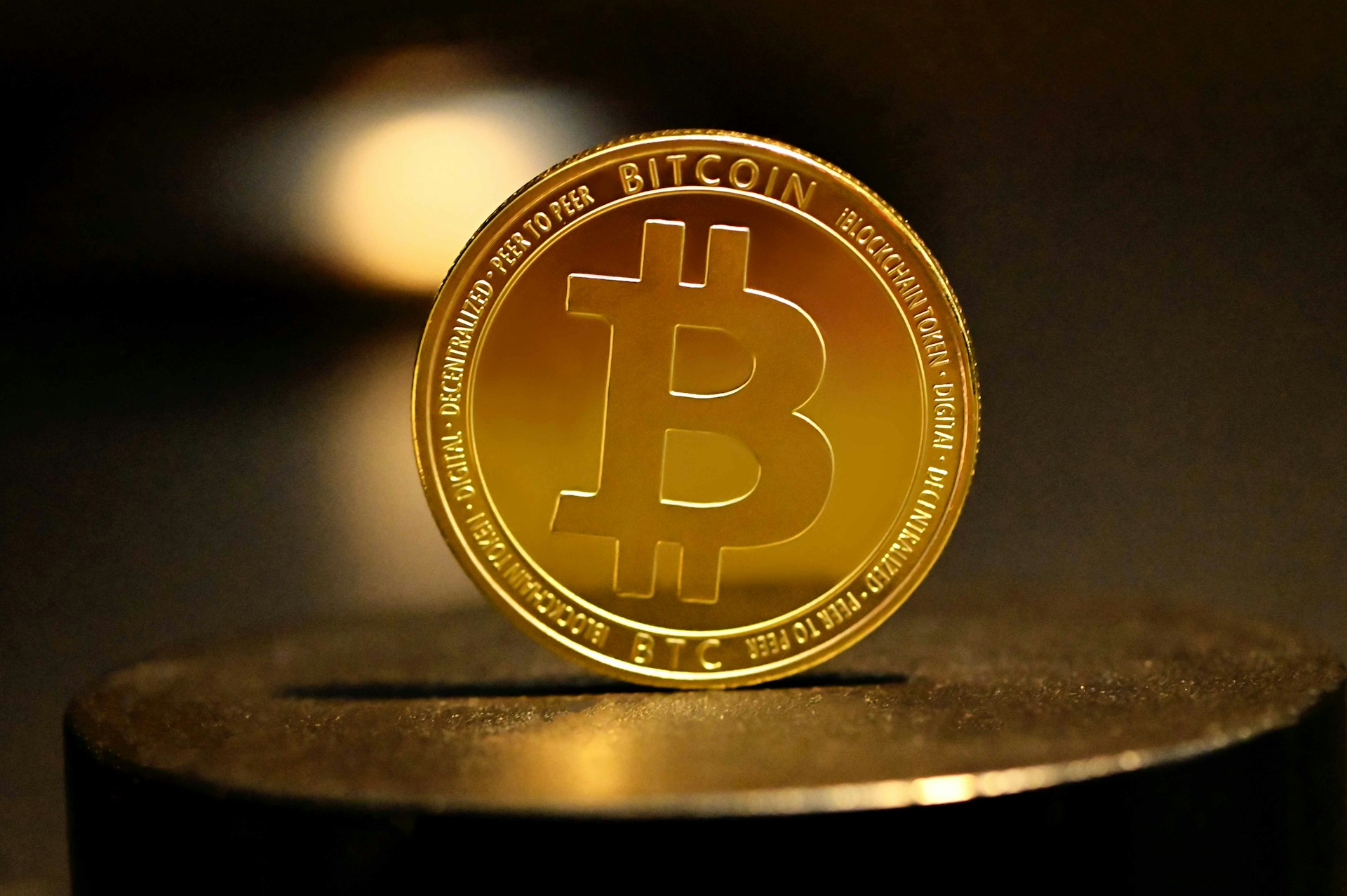
IMAGE: UNSPLASH
Transparency, With Receipts, Changes The Trust Equation
With blockchains, every transaction and spin outcome lands on a shared ledger. Not perfectly unbreakable, but designed to be append-only and very hard to quietly edit. The point is simple enough. Outcomes do not rely entirely on a casino’s word anymore. Cryptographic proofs, the backbone of so-called provably fair gaming, let third parties and even players verify results without asking permission.
Chainwire has suggested that close to 80 percent of new blockchain-enabled slots since February 2025 include on-chain verification as standard. That figure will move, as they all do. Still, live integrity tools reduce disputes and tone down fears about quietly tweaked odds. Publicly auditable random number generation replaces the old black box approach and, piece by piece, sets expectations for accountability. Regulators get a clearer trail to follow, which could mean quicker approvals, or at least fewer back-and-forths.
Decentralized Payments And Privacy For Users
Online slots entertainment increasingly supports cryptocurrency transactions, offering speed and privacy benefits.
Payments in Bitcoin or Ethereum often skip bank queues, so withdrawals tend to feel faster. Esports Insider reported that more than half of new blockchain gaming platforms in 2024 processed crypto bets within two minutes, while traditional rails sometimes needed hours or days. Some blockchain slot sites pare back KYC checks to the bare minimum, which appeals to privacy-minded users, although that can change as rules tighten.
Direct wallet connections remove intermediaries and cut down on “where did my money go” support tickets. People can also trace their own transactions on blockchain explorers, which adds a layer of accountability. Privacy is not absolute though, and policy is a moving target, with ongoing debate about user control versus anti-fraud safeguards.
Smart Contracts Trim Friction And Speed Payouts
Smart contracts handle rules and payouts as code that lives on the chain. Once conditions are met, rewards trigger automatically, which cuts down on manual errors and delays. Early 2025 analyses pointed to something like a 27 percent boost in payout speeds for slot games that used smart contracts. That estimate will probably be revised, but the direction seems right.
Fewer disputes over winnings. Less admin overhead. Platforms extend the same logic to bonuses and time-limited promos, so the rules are visible and harder to reinterpret mid-campaign. code transparency while not perfect, gives players a clearer sense of what will happen before they hit spin. It reduces the need to trust a centralized operator and shifts some control toward the player, which is the idea.
Tokenization And The Growing Ecosystem Keep Players Around
Many blockchain platforms are inching past single-site loyalty points toward tokenized rewards and shared in-game currencies. Earn a token here, use it there, maybe trade it on an exchange if the venue allows it. AInvest estimated that about 31 percent of blockchain-powered slots launched in 2024 included some flavor of tokenized rewards, which likely helped engagement, at least in the short term.
Cross-platform tournaments, collectible NFTs, and staking pools keep people involved between sessions and open new revenue angles for operators. Players get more ownership over digital items, which can feel like real agency rather than a locked balance on one site. Interoperability is the sticking point. Multiple chains means standards work, and plenty of it.
A Note On Responsible Gambling
Better tech does not replace good habits. Blockchain tools can help, with clear histories of deposits and wagers, self-exclusion toggles, and spend limits that are harder to quietly ignore. It appears that giving users direct control of session data nudges play in a healthier direction, although results vary by person. Set limits before you start, and check the clock now and then. For most people, blockchain features will make play smoother and maybe more transparent. Still, moderation matters, and it always will.
Disclaimer: The above references an opinion of the author and is for information purposes only. Never gamble for more than you can afford to lose. Gambling can lead to a serious addiction. Gamble responsibly.

COMMENTS