


In today’s fast-paced world of digital advertising and public communication, clarity and visibility are everything. Whether displaying a concert live feed, a sports scoreboard, or an urban marketing campaign, the performance of an outdoor led screen depends heavily on two key factors: brightness and resolution.
These two elements determine how vivid and readable your visuals appear under different conditions — from direct sunlight to nighttime displays — and directly affect viewer engagement and energy efficiency. Understanding how brightness and resolution work together is essential to choosing the right screen for your business or event.
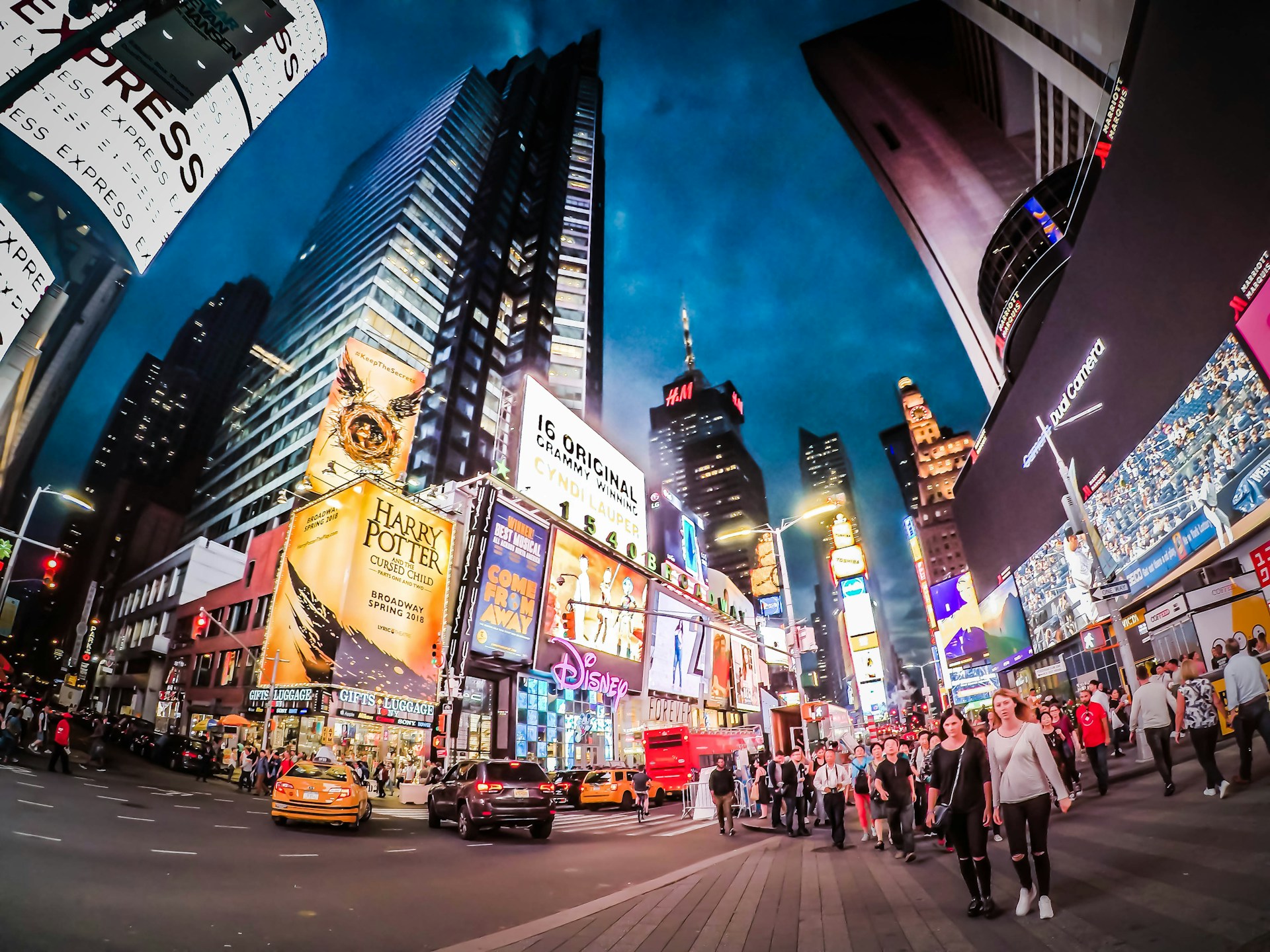
IMAGE: UNSPLASH
The Importance Of Brightness In Outdoor LED Screens
Brightness, measured in nits, refers to how much light an LED screen emits. The higher the nit rating, the brighter the display. For outdoor environments, brightness is crucial because sunlight can easily overpower a dim screen, making images and text difficult to see.
Optimal Brightness Levels For Outdoor Use
Indoor screens typically range from 800 to 1,500 nits, which is sufficient for controlled lighting environments. However, outdoor LED screens must be significantly brighter — usually between 4,000 and 10,000 nits — to remain clearly visible even under direct sunlight.
For example:
- 4,000–5,000 nits: Ideal for shaded outdoor locations or partially covered areas.
- 6,000–8,000 nits: Suitable for general outdoor advertising, such as digital billboards.
- 9,000–10,000+ nits: Necessary for high-sunlight environments, like stadiums or city centers.
Choosing a screen with the right brightness level ensures your message stands out all day long without glare or washout, maintaining sharp and vibrant colors regardless of weather or lighting conditions.
Smart Brightness Control For Energy Efficiency
While high brightness is essential, it can also consume significant power if not managed efficiently. That’s why most modern LED displays include automatic brightness adjustment technology.
This system uses light sensors to detect ambient conditions and adjust output accordingly — dimming the screen at night or during cloudy weather to save energy. This not only lowers electricity costs but also extends the lifespan of the LEDs by reducing heat and strain.
Advanced screens even allow for zone-based brightness control, meaning specific sections of the display can be dimmed independently based on content or location. These innovations keep displays both visually consistent and environmentally responsible.
Understanding Resolution And Pixel Pitch
Resolution refers to the number of pixels that make up an image on the LED display. More pixels mean greater detail and sharper visuals. In LED technology, resolution is closely tied to pixel pitch — the distance, in millimeters, between the centers of two adjacent pixels.
A smaller pixel pitch means pixels are closer together, resulting in higher resolution and smoother image quality. Conversely, a larger pixel pitch means fewer pixels per square meter, which can reduce detail but increase brightness and visibility from longer distances.
Choosing The Right Pixel Pitch
The ideal pixel pitch depends on how far viewers will stand from the screen:
- P3–P5: Best for close viewing distances (less than 15 feet), such as outdoor stages or small plazas.
- P6–P8: Standard for medium-distance viewing, suitable for parking lots, medium-sized venues, or event spaces.
- P10 and above: Perfect for large billboards or stadiums where the audience is far away.
When selecting a pixel pitch, it’s important to balance clarity with cost and performance. Higher resolution screens are more expensive, but if your audience is viewing from a distance, ultra-high definition may not be necessary.
The Relationship Between Brightness And Resolution
Brightness and resolution work hand in hand to define overall image quality. However, increasing one can sometimes impact the other. For instance, tightly packed pixels (higher resolution) generate more heat and can slightly reduce maximum brightness output.
Manufacturers address this by using high-efficiency LED chips and improved heat dissipation systems to maintain balance. The goal is to deliver clear, vibrant visuals with optimal power use — no matter the environmental conditions.
For outdoor LED displays used in advertising or entertainment, the ideal setup combines high brightness with mid-range pixel pitch, ensuring visibility from all distances without unnecessary energy waste.
Color Accuracy And Contrast Ratios
Brightness and resolution also influence color accuracy and contrast ratio — two crucial elements for realistic and impactful visuals.
A higher contrast ratio means deeper blacks and more vivid colors, which makes content pop even in bright daylight. Similarly, better pixel density improves color blending, eliminating the “grainy” look common in older LED screens.
Modern outdoor LED screens use technologies like HDR (High Dynamic Range) to enhance contrast and maintain accurate color reproduction across varying brightness levels. This ensures that images, logos, and videos look consistent, whether displayed during a sunny afternoon or under evening lights.
Practical Applications: Advertising, Sports, And Events
The combination of high brightness and appropriate resolution is what makes outdoor LED screens so versatile. In advertising, they help brands capture attention in busy urban environments. At concerts and sports venues, they deliver high-impact visuals that keep audiences engaged from every seat.
Event organizers also use modular LED panels that can be assembled into custom shapes and sizes, maintaining visibility and clarity for large crowds even under intense daylight. These screens transform ordinary public spaces into dynamic visual experiences that connect with audiences instantly.
Selecting The Right Outdoor LED Screen
When choosing the best display for your business or organization, consider your location, typical lighting conditions, and viewing distance. A professional provider can help you evaluate brightness requirements, pixel pitch options, and energy-saving technologies tailored to your goals.
By understanding the balance between brightness and resolution, you’ll ensure your investment delivers maximum impact, efficiency, and long-lasting visual appeal.
COMMENTS