


The concept of smart homes has evolved dramatically over the last decade. Consumers increasingly expect their households to be more connected and automated, with devices that respond intuitively to their needs.
Much of today’s smart home technology relies heavily on cloud-based services for data processing, remote control, and functionality. This dependency raises concerns about privacy, latency, and loss of control whenever internet connections falter or providers change policies.
In response, a growing interest surrounds the idea of smart homes that operate independently of the cloud. Instead of sending data to remote servers, these homes process information locally, ensuring autonomy and resilience. This shift carries significant implications for security, user experience, and the future design of automated living spaces.
When technology feels invasive or unreliable, trust can wane. Most users have experienced glitches when smart assistants or devices lose internet access, rendering them temporarily useless or unpredictable.
Exploring homes that rely less on external networks and more on on-site intelligence gives a fresh angle on what smart living can realistically mean.
This article delves into the practicalities and challenges of future smart homes without cloud dependence. We look at existing technologies, real-world applications, and some skepticism about scalability. The journey reveals how local autonomy offers a way to reclaim control within the increasingly digitized domestic sphere.
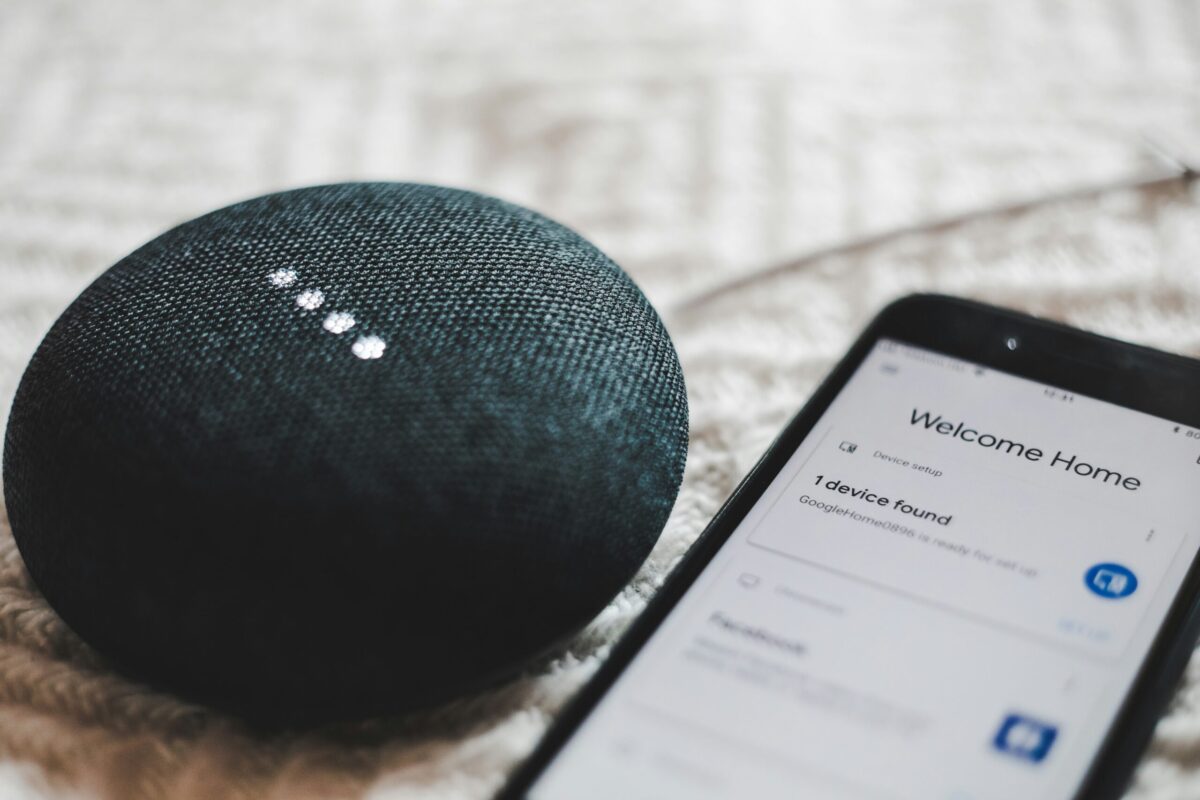
IMAGE: UNSPLASH
Understanding Local Autonomy In Smart Home Systems
When we talk about smart homes without cloud reliance, the key change lies in where data is processed and stored. Cloud-dependent systems send sensor readings, user interactions, and automation rules to external servers for analysis and command execution. Alternatively, homes with local autonomy handle those tasks internally, either on a dedicated hub, edge devices, or even smart appliances themselves.
This design means less exposure of personal data over the internet, a point many people silently dread but rarely fully address. Devices operating solely within a network isolated from the cloud avoid common vulnerabilities related to external breaches.
I have seen setups based on local hubs, such as Home Assistant or Hubitat Elevation, become popular precisely because they give users more direct oversight. Instead of scrolling through infinite app permissions and privacy policies, owners manage their environment on their own terms. It feels almost empowering.
Still, local autonomy is no silver bullet. Some skeptics argue that relying on internal processing increases the complexity of setup and maintenance. True, configuring a home automation hub can be intimidating for average users used to plug-and-play cloud ecosystems. But does convenience always trump long-term control and security? This debate lives on.
Benefits Of Future Smart Homes Without Cloud Dependence
The draw toward cloud-free smart home environments comes down to a handful of tangible advantages. Privacy and ethical concerns of always listening smart homes stand out in energy autonomous smart homes of the future explained. Without cloud storage, personal data remains within physical walls, lowering risk of external monitoring or misuse a concern not easily dismissed a few years into widespread data scandals.
Reliability also improves. Without the need for internet continuity, essential functions like controlling lights, locks, or climate maintain responsiveness during outages. It’s a practical advantage anyone who has experienced a smart device failing at an inconvenient moment can appreciate.
Speed gains matter as well. Local processing reduces latency caused by round-trip data transfers. Instantaneous reactions feel more natural and less like waiting for a distant server to respond. In particular, voice recognition services that process commands on device rather than uploading audio snippets can be faster and less prone to errors from delays.
Economic factors come into play. Some cloud services impose monthly fees or require hardware updates tied to proprietary ecosystems. Choosing local systems can avoid these ongoing costs, though initial setup may be pricier or demand technical know-how.
Real World Examples Of Local Smart Home Systems
Looking around, solutions like Apple’s HomeKit architecture show trends toward edge processing, where devices handle interactions locally by default. Similarly, open source platforms such as Home Assistant allow enthusiasts to create entire smart home networks running on Raspberry Pi or mini servers, independent from commercial clouds.
These platforms offer integrations with common sensors, cameras, smart plugs, and thermostats while preserving data autonomy. Some users set up local video surveillance without uploading footage to remote servers. Others program lighting routines that activate even during network failures.
What strikes me is how this approach appeals to tech-savvy homeowners or privacy-conscious individuals, but adoption remains limited among casual buyers due to perceived complexity. Still, smart homes without cloud dependence exist today and serve as test beds for wider acceptance.
Challenges And Limitations In Moving Away From Cloud Services
It would be naive to ignore the struggles involved in eliminating cloud reliance. Compatibility issues rise when devices depend on proprietary cloud services for their core features. Without manufacturer support for local control protocols, devices become nearly impossible to integrate into an autonomous setup.
Another hurdle is scalability. Homes with many devices put increased demand on the local processing unit. As more sensors, cameras, and appliances join the network, computing and storage capabilities must keep pace. This creates a barrier for typical smart home users who want to expand easily over time.
Sometimes local autonomy means sacrificing certain conveniences. Cloud platforms offer powerful centralized updates, remote access from anywhere, and AI-driven enhancements that remain hard to replicate on small local hubs. This gap might explain why many people tolerate tradeoffs to keep their systems connected online.
Honestly, it remains a question of priorities. While local systems shine in security and reliability, they may feel clunky or limited next to polished cloud-based experiences. I think we need a balanced conversation rather than all or nothing.
How Edge Computing Supports The Cloud Free Smart Home
Edge computing plays a crucial role in enabling decentralized smart homes. Instead of routing everything to the cloud, edge devices perform substantial data processing close to where it is generated. This means sensor readings, video analysis, and device commands no longer require a round trip through distant servers.
Applications like local AI voice recognition or facial recognition on smart cameras are increasingly feasible with affordable on-site processors. It moves computing power from centralized data centers into the home, creating a more self-sufficient environment.
Companies building edge AI chips target precisely this market, hoping to strike a better balance between efficiency and privacy. Localized intelligence can handle context-aware automation and make homes proactive rather than reactive.
You might have seen how products like Google’s Nest Audio have started processing some voice commands locally, reducing cloud dependence for the most common tasks. This trend hints at a gradual shift rather than a sudden break.
Reflecting On User Experience In Cloud Independent Homes
User expectations for smart homes tend to revolve around reliability, ease of use, and personalization. Homes that sidestep the cloud offer neat privacy and uptime assurances, but they often challenge those expectations in practice. Configuring an autonomous hub is seldom straightforward, and troubleshooting issues requires technical patience.
Interestingly, many users discover that a certain degree of cloud engagement remains tolerable if it improves usability without compromising core privacy. For instance, some prefer keeping local control for security devices but allow occasional cloud updates to firmware.
There is a social challenge too. Smart home tech increasingly involves multiple household members with differing comfort levels and tech skills. A home fully isolated from the cloud might frustrate guests or family who expect smooth voice assistant functionality or app control from their phones outside the local network.
The human factor can never be overlooked. How people interact with technology often shapes its adoption more than specs or promises. Sometimes simplicity wins over purist autonomy.
What The Future Could Hold For Smart Homes Without Cloud Dependence
Looking ahead, I suspect hybrid models will dominate, combining local autonomy with selective cloud interaction. Such setups might preserve privacy and security while allowing benefits like updates, AI enhancements, and remote notifications when explicitly desired.
Advances in open standards, better hardware for edge computing, and broader awareness of digital rights could push more users toward homes less reliant on distant servers. Still, manufacturers will need to ease barriers for setup and maintenance to attract wider audiences.
One of the more mundane but crucial points is power consumption. Running local servers or hubs 24/7 increases energy demands, a factor often overlooked when comparing cloud versus local systems. Future designs must consider environmental impact alongside functionality.
It’s worth remembering that most people expect smart devices to just work without constant fuss. That tension between convenience and control will shape how the idea of cloud-free smart homes evolves in the coming years.
Frequently Asked Questions
What Defines A Smart Home Without Cloud Dependence?
A smart home without cloud dependence processes automation data locally instead of relying on internet servers. Devices and hubs operate within the home network, enhancing privacy and limiting external data exchange.
Are Cloud-Free Smart Homes More Secure?
They tend to be more secure from remote hacking since data is not constantly transmitted over the internet. However, local security still requires attention to network protection and device software updates.
Can I Use Voice Assistants In A Smart Home That Avoids The Cloud?
Some voice assistants offer on-device processing for basic commands, but most still use cloud services for complex tasks. Offline voice control exists but is less common and may be less accurate.
Is Setting Up A Smart Home Without Cloud Services Difficult?
Generally, yes, because it often involves configuring hubs, integrating compatible devices, and maintaining local software. However, platforms like Home Assistant offer growing resources to help.
Do Cloud-Free Smart Homes Offer Remote Control Features?
Remote access usually requires some form of internet connection. Cloud-independent homes can enable remote control through VPN or other secure methods, but this adds complexity.
Why Do Some Smart Devices Still Require Cloud Services?
Many rely on cloud processing for updates, AI features, and centralized management. Device manufacturers also design products around cloud ecosystems, creating dependencies that limit local control.
Final Thoughts
Smart homes without cloud dependence present a compelling, if challenging, alternative to the common model of online reliance. In practice, they demonstrate how local autonomy can restore privacy and improve reliability but also demand greater user effort and technical understanding. It’s a nuanced tradeoff.
I suspect the smart home landscape will continue to experiment with different levels of cloud integration as users weigh convenience against control. Remember the frustration after your smart device fails when the internet goes down? That experience alone has sparked interest in these cloud-independent designs.
Ultimately, the appeal of cloud-free smart homes lies in reclaiming agency over one’s own space while living with the imperfections that come from self-management. That feels like a practical, grounded direction in smart living.

COMMENTS