


Smart homes equipped with voice-activated assistants have become widespread fixtures in modern life. They promise convenience and hands-free control of everything from lights to thermostats, all gated through simple spoken commands. These devices continuously listen for activation phrases, a feature that can make day-to-day tasks feel effortless.
Yet this always-listening functionality also opens up significant ethical questions about privacy and data handling that many users may not fully appreciate.
The idea that a device in your living room is constantly monitoring sound raises immediate concerns. How much of your daily life is actually being recorded or analyzed? Who has access to that information? And crucially, how securely is this sensitive data guarded against abuse or accidental exposure? These questions have sparked a broader discussion beyond just the technical capabilities of smart devices, focusing on user consent, transparency, and control.
While manufacturers emphasize convenience and smarter environments, the underbelly of always listening technology reveals a complex network of tradeoffs.
The tension between technological innovation and fundamental rights shows clearly in privacy debates tapping into emerging legal and social norms. Many consumers do not realize that interactions with voice assistants can sometimes be stored or reviewed to improve services or for other purposes, blurring the line between convenience and surveillance.
This article unfolds the key ethical concerns tied to always listening smart homes, examining why the balance between helpfulness and intrusion matters deeply. Weaving through real-world implications and technology practices helps uncover what is at stake beyond just technical specs or marketing promises.
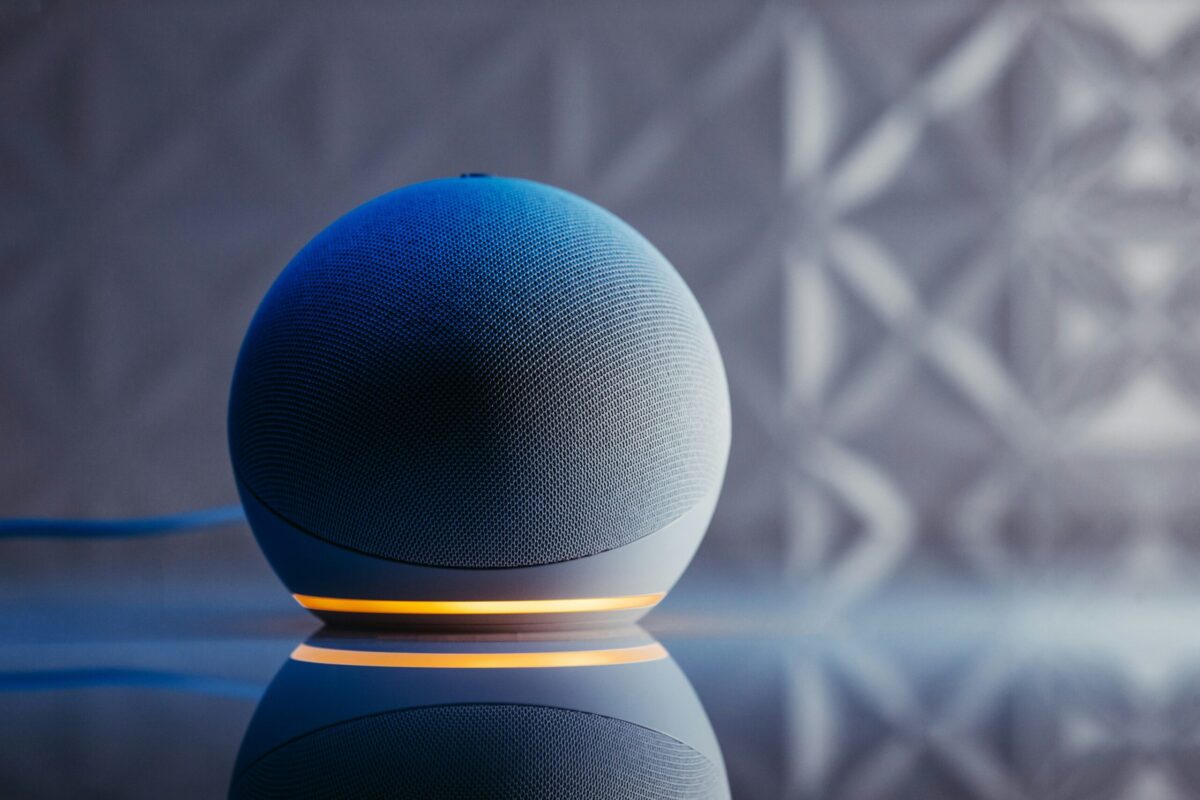
IMAGE: UNSPLASH
Constant Listening Versus User Privacy
At first glance, it is easy to assume that voice assistants only activate and record when spoken to directly. Yet the reality is more complicated. These devices typically process environmental audio continuously to detect their wake word. This means raw audio streams may be transmitted or stored, depending on the manufacturer and user settings.
This permanent listening raises understandable discomfort about privacy invasion. The line between passively “listening” and actively recording personal moments is thin and often unclear to users.
Privacy advocates argue that this could lead to incidental capture of sensitive conversations or unintended data collection without explicit consent.
Many smart home users remain unaware that their voice data might be accessible to technicians or even third-party contractors who review recordings to improve voice recognition.
Even if anonymized, voice patterns can reveal identity and behavior, making the data highly sensitive. The opaque policies around these practices tend to undermine trust more than foster it.
Notably, certain room layouts or microphone placements create scenarios where background noises or private talks can be unintentionally recorded. The possibility of constant electronic eavesdropping, even if partial or indirect, is off-putting. And this is not simply paranoia. Cases where devices mistakenly activated to record long passages have been reported in the wild, proving this is more than a hypothetical risk.
How Data Control Shapes Ethical Boundaries
Controlling who owns and handles data collected by always listening devices is a core ethical challenge. Smart home systems often rely on cloud services where audio data is encrypted, processed, and stored, raising important concerns about privacy risks in next-generation smart home systems as they anticipate human behavior. But questions remain about limits on access and duration of retention.
Many users lack clear options to audit logs or delete stored voice data comprehensively. The power imbalance favors corporations that collect extensive user data, while individuals struggle to understand their control rights. Transparency about data collection has improved over time, but it still falls short of full clarity for the average consumer.
One of the thornier issues is how long recordings or voice profiles remain active. Some devices retain data indefinitely to refine personalization features while others set expiration periods. This uneven approach complicates user expectations around privacy preservation.
A specific example is the smart speaker maker that allows users to opt out of voice recording storage but does not fully disable local processing in certain settings.
Without clear labeling, this partial control can create a false sense of security. It feels like a half measure that satisfies neither privacy advocates nor casual users.
The Limits Of Informed Consent In Smart Homes
Many ethical debates focus on consent, or more precisely, whether users can give genuinely informed consent about always-listening technology. The complexity of data flows, user agreements, and default settings often overwhelm or confuse nontechnical users.
Consent dialogs bundled with app updates or hardware purchases rarely clarify the extent of audio monitoring beyond basic promotional statements.
This minimal transparency leaves users agreeing blindly to practices they might object to if clearly known. It is a problem we see repeatedly with digital services that collect behavioral data.
The scenario of guests or children being recorded without their knowledge adds another layer of complexity. Imagine hosting a visitor who never agreed to be recorded, yet smart home devices may capture moments unintentionally. Addressing consent must account for all individuals sharing an environment, not just account holders.
Some smart home platforms have experimented with more granular permissions or visible indicators that recording is active. Still, these measures have yet to become standardized or widespread enough to serve as industry baseline.
Security Risks And Unintended Consequences
Beyond privacy, the constant listening function invites several security concerns. Voice commands can be exploited through spoofing, false activations, or injected commands transmitted remotely or accidentally overheard.
For example, security researchers have demonstrated attacks where malicious actors broadcast inaudible sounds embedded with commands triggering smart devices without the owner’s knowledge. That scenario is not academic; it has practical implications for protecting homes and data.
At the same time, the tight integration of voice assistants with multiple systems creates a larger attack surface. An exploited device can provide entry points into broader home networks. That risk highlights how ethical concern is also about safeguarding physical security as much as data privacy.
The trust users place in these always-listening devices means breaches have unique consequences. A compromised smart home assistant could leak sensitive conversations or unlock doors remotely. The stakes here feel more personal than many other types of cybersecurity risks.
A Subtler Reflection On Convenience And Privacy Tradeoffs
The convenience of always listening smart homes is undeniable. The ease of adjusting settings, managing schedules, or controlling ambient devices with just a word is a genuine improvement in daily life for many. Still, the comfort seduces some into overlooking deeper risks.
As an everyday observation, most people accept a certain loss of privacy in exchange for internet-connected conveniences like smartphones or social media. Smart homes extend this compromise into intimate physical spaces, which is a profound shift few stop to scrutinize fully.
It feels like we are adapting gradually, with little full awareness. People might tolerate assistants listening because they enjoy features without a sturdy mental boundary on when the device is truly off. The cultural comfort with always-on microphones is growing faster than the ethical frameworks to handle them.
This friction between desire for smart living and privacy expectations is unlikely to vanish. Instead, how society addresses these ethical grey areas will define the next chapter of connected home technology.
FAQ Section
What Does Always Listening Mean In Smart Home Devices?
Always listening means smart home devices continuously monitor ambient audio to detect voice activation commands. They process sound locally or in the cloud to recognize wake words without manual input.
Are My Private Conversations Recorded By Voice Assistants?
Voice assistants are designed to activate and record audio only after detecting specific wake phrases. However, accidental or unintended recordings can occur, and those may be stored or reviewed depending on the service provider’s policies.
Can I Control Or Delete The Voice Data Stored By These Devices?
Most platforms offer ways to review, manage, or delete voice recordings via app settings, though the extent of control varies. It usually requires deliberate action by the user to manage stored data.
Is It Safe To Use Always Listening Devices In Terms Of Security?
Security risks exist, particularly around unauthorized activation or hacking. Consumers should keep devices updated and review privacy settings to reduce vulnerabilities.
Do I Need To Inform Visitors Or Family Members About Smart Devices Listening In My Home?
Ethically, yes. Because always listening devices capture sounds from anyone present, informing or obtaining consent from other household members or guests respects their privacy rights.
Are There Alternatives To Always Listening Smart Home Assistants?
Yes, some devices allow manual activation or require button presses instead of voice triggers, offering more privacy control but less convenience.
Reflective Closing Thoughts
Living with always listening smart homes becomes a quiet negotiation between trusting technology and protecting personal space. The ethical concerns go well beyond technical details to touch on how we want privacy and autonomy to define our homes. Most users today realize only part of the picture, shaped by convenience and habit more than fully informed choices.
Somewhere between surrendering all control and refusing helpful tools lies a nuanced balance. It is worth watching how manufacturers respond to ethical demands and how cultural attitudes evolve around electronic listening. Smart homes will keep learning about us, but so should we keep learning about them.
COMMENTS