


Every connection a service receives starts with an IP address. That simple data point shapes whether a request is trusted, challenged, or rejected. What becomes clear when you look closer is that the real significance of ISP Proxies is not raw speed, but persistent residential identity delivered from server-grade infrastructure. That combination changes which workflows can operate at scale without constant false positives from platform defenses.
This article reveals why static residential ISP proxies are being treated less like a convenience and more like core network plumbing for web operations. Most people misunderstand the point as being only about bypassing blocks. The part that changes how this should be understood is continuity: static assignment and dedicated ownership preserve identity over long sessions, and that is what prevents many platform security triggers.
These proxies are a hybrid. They take IP ranges that originate from residential internet service providers and attach them to professional servers. The result is traffic that looks like a household while enjoying the uptime, routing, and throughput of a data center. Providers such as ProxySwag emphasize this model, and note that maintaining a clean pool at scale is a core operational requirement.
The consequence for teams doing scraping, social media management, ad verification, SEO monitoring, or competitive data collection is practical. ISP Proxies change the engineering tradeoffs around reliability, cost, and scale. What actually determines whether this matters is the need for session persistence and reputational predictability, not merely the volume of requests.
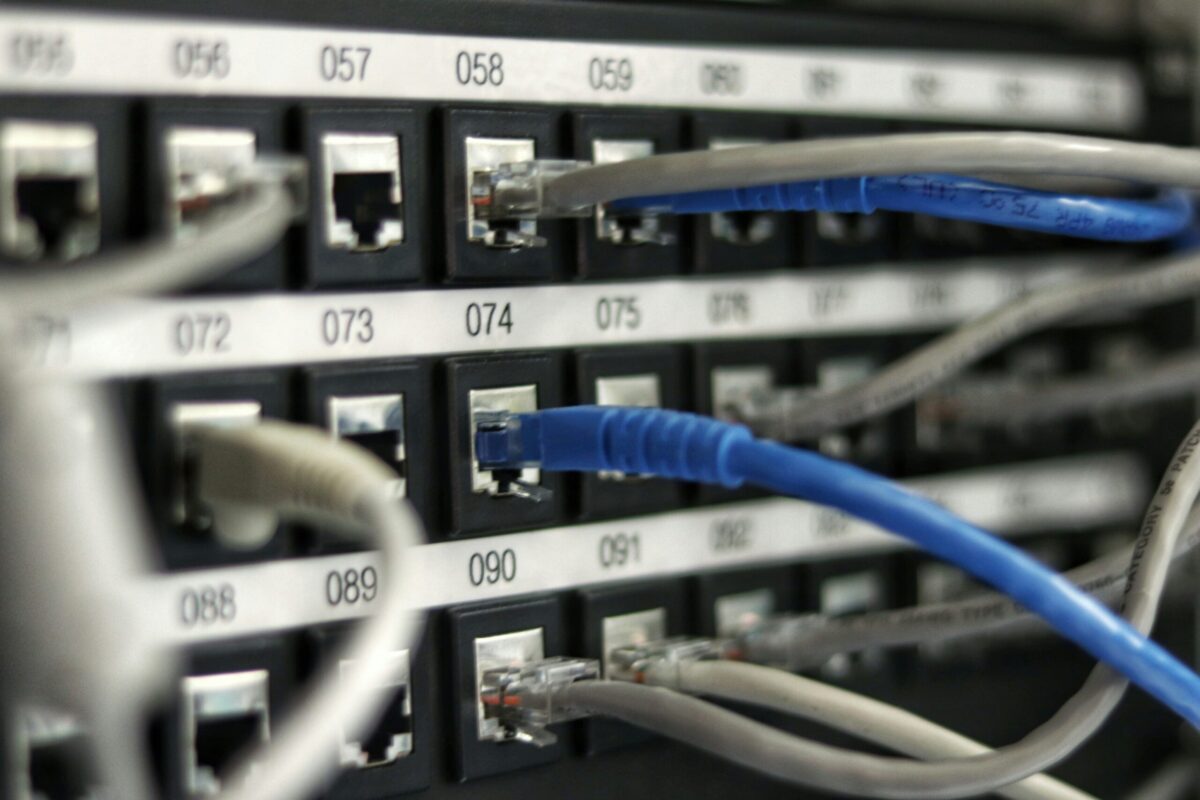
IMAGE: UNSPLASH
What ISP Proxies Are And Why They Matter
ISP Proxies are IP addresses that come from residential ISP ranges while being served from professional hosting environments. From the outside, the IP looks residential; under the hood, networking and routing behave like a datacenter node. This hybrid answers the core problem teams face when they need both legitimacy and predictable uptime.
In practice, static residential ISP proxies provide persistent IP identity that platforms treat differently than frequently rotated addresses. That predictability reduces authentication challenges, preserves session continuity, and lowers the friction for workflows that depend on long-lived accounts or repeatable regional measurements.
How ISP Proxies Work
At a glance, the mechanics are simple: IP allocations that originate in consumer ISP ranges are mounted on servers with datacenter reliability.
Network routing, peering, and hosting deliver throughput and uptime while the IP’s origin makes traffic appear residential. The operational complexity lies in acquiring, monitoring, and retiring addresses to keep pools clean.
The lifecycle of an ISP proxy includes acquisition, assignment (static or rotating), monitoring for abuse signals, and retirement. Providers automate much of this work; the remaining human judgment centers on pool hygiene policies, regional tradeoffs, and assignment models that match customer needs.
If you want a deeper breakdown of how the underlying technology works, see our guide explaining how ISP proxies work and when they should be used.
Static Versus Rotating, Dedicated Versus Shared
One axis that matters is whether a proxy rotates IPs frequently or remains static. Static proxies are required when you need persistent sessions. Rotating residential networks remain useful for breadth, but they create identity jitter that some platforms interpret as suspicious.
Another axis is sharing. Shared proxies reduce cost but introduce cross-user contamination. If someone else using the same IP triggers a block, all shared users inherit the consequence. A dedicated ISP proxy allocates a single IP to one customer, isolating reputation and control.
Why Dedicated Assignments Change Outcomes
Dedicated ISP proxies remove a common failure mode. Reputation and behavior become the responsibility of one user rather than many. For professional use cases, that shifts success rates dramatically because there is no unknown traffic source that could have previously abused the address.
When Rotating Pools Still Make Sense
Rotating pools are valuable when breadth matters more than continuity. Examples include broad scraping where sessions are ephemeral, or when anonymity is prioritized over account persistence. The tradeoff appears when continuity is essential for account health or consistent regional measurement.
Operational Tradeoffs And Quantified Constraints
Adopting ISP Proxies introduces measurable tradeoffs across cost, coverage, and maintenance. Dedicated static proxies move pricing into a higher tier that requires predictable budgeting. Teams must decide whether the operational uplift justifies ongoing allocations of tens to hundreds per month per IP for professional-grade service.
Cost Considerations
Budget planning is a gating factor. Static, dedicated allocations typically cost more than shared or rotating residential proxies, and far more than basic datacenter ranges. That higher unit cost must be judged against the avoided cost of repeated account recovery, authentication failures, or flawed data collection.
Location And Coverage Constraints
Providers that concentrate on optimized regions often deliver better uptime and routing quality than those claiming hundreds of scattered endpoints. Choosing regional depth versus global breadth is a decision about latency predictability, peering quality, and the engineering resources required to monitor many locations.
Pool Hygiene And Scale
Clean proxy pools require continuous monitoring and retirement of flagged addresses. ProxySwag, for example, emphasizes a clean inventory and notes a pool size of over 100,000 static residential ISP proxies as a tool for rotating out problematic nodes. That scale implies ongoing acquisition and replenishment costs.
Throughput And Concurrency
Server-side bandwidth and routing become bottlenecks before the raw IP supply does. Heavy scraping or parallel account management can push nodes into bandwidth congestion, so deployments often require dozens to hundreds of proxies to sustain high concurrency, increasing infrastructure and operational complexity.
Network Health, Clean Pools, And Location Strategy
Network Health And Clean Pools
Reputation is everything. Providers must monitor blacklists, abuse signals, and behavioral anomalies and retire addresses proactively. The maintenance cost versus immediate availability tradeoff determines how safely and quickly teams can rotate endpoints without increasing exposure to platform defenses.
Location Strategy And The Depth Over Breadth Argument
Many buyers assume more locations equal better results. Spreading infrastructure too thin increases the surface area for failures. A focused location strategy concentrates effort on routing, peering, and monitoring in a smaller number of regions, which often yields higher uptime and more predictable latency.
Common Use Cases And The Conditions That Make ISP Proxies Valuable
ISP Proxies support social media management, web scraping that must bypass automated defenses, ad verification that must reflect residential impressions, and SEO monitoring that requires consistent regional queries. Their value depends on session persistence, reputation isolation, and a willingness to pay for dedicated allocations.
The boundary is practical: when workflows need repeated, predictable access that mirrors a residential user, ISP Proxies become valuable. When the priority is sheer volume and ephemeral anonymity, rotating or shared alternatives may be preferable.
ISP Proxies Vs Datacenter Proxies Vs Rotating Residential Proxies
Choosing between proxy types is about tradeoffs: identity fidelity, throughput, cost, and operational burden. Datacenter proxies excel at low price and high throughput but are easily fingerprinted. Rotating residential proxies offer legitimacy but can introduce instability. ISP Proxies aim to combine the residential appearance of consumer IPs with datacenter reliability.
Identity And Reputation
ISP Proxies provide persistent residential appearance, which preserves session continuity better than datacenter IPs and reduces the jitter associated with rotating residential pools. That persistence directly affects account health where login signals and geographic consistency matter.
Performance And Throughput
Datacenter proxies usually offer the highest raw throughput. ISP Proxies can approach datacenter performance but may be limited by the constraints of their hosting and routing choices. Rotating residential proxies trade throughput for breadth and anonymity.
Cost And Operational Load
Datacenter ranges remain the cheapest option for volume. ISP Proxies increase unit cost because of acquisition and hygiene. Rotating residential providers sit between these models depending on sharing and rotation policies.
Choosing A Provider And The Management Layer
Providers differ by pool cleanliness, assignment model, dashboard usability, and pricing. A capable management interface simplifies deployment, monitoring, endpoint rotation, and scale. For teams embedding proxies into automation, usability can be as important as raw network quality.
Ask providers for clarity about hygiene practices, dedicated assignment options, and location tradeoffs. Those answers indicate whether a vendor treats proxies as disposable commodities or as long-term network plumbing that requires maintenance discipline.
Who This Is For And Who This Is Not For
Who This Is For: Teams that need session persistence, predictable regional measurements, and isolated reputation for social media management, ad verification, SEO monitoring, or competitive data collection. Enterprises that treat web access as a core capability will find ISP Proxies a pragmatic infrastructure decision.
Who This Is Not For: Projects that prioritize the cheapest cost per request, massive ephemeral volume, or pure rotational anonymity. If your requirements are high volume crawling with no need for continuity, rotating residential proxies or datacenter ranges may be better fits.
Long-Term Implications And Unresolved Questions
As platforms refine their ability to distinguish hosting ranges from consumer ISPs, predictable access layers will matter more. That shift creates tension between operational need and governance, raising questions about ethical use, supplier practices, and the regulatory environment. Those issues are only beginning to shape supplier offerings and enterprise policies.
The unresolved part is practical: how will platform enforcement evolve, and what governance norms will enterprises adopt? Those answers will determine whether ISP Proxies become standard network plumbing or remain an advanced tactic for specialist teams.
Advantages Of Static Residential ISP Proxies
Static residential ISP proxies provide a set of operational advantages that differ significantly from both datacenter proxies and rotating residential networks. The most obvious benefit is identity stability. Because the IP address remains consistent over time, platforms see repeat interactions as coming from a single household like origin rather than a constantly shifting set of endpoints.
Another advantage is improved session durability. Workflows that depend on maintaining authenticated sessions, such as long-lived dashboards, analytics tools, or account management systems, benefit from the continuity that static proxies provide. Authentication challenges appear less frequently when identity signals remain stable.
Reliability is another important factor. ISP proxies run on server-grade infrastructure, which means uptime, routing, and bandwidth behave more like traditional hosting environments than consumer devices. That stability allows automated processes to operate continuously without the disruptions that frequently appear in rotating residential networks.
Finally, dedicated assignment further improves operational reliability. When a proxy IP is assigned to a single customer, the reputation of that address remains under the control of one operator rather than multiple unknown users.
Why Businesses Use ISP Proxies
Organizations across several industries rely on ISP proxies to support data collection, automation, and monitoring workflows. These tools allow companies to interact with the open web in ways that resemble normal residential users while still maintaining scalable infrastructure.
Digital marketing teams often rely on ISP proxies to monitor search engine results and advertising placements. Because search engines personalize results based on geography and IP signals, using stable residential proxies allows analysts to collect accurate data across regions.
E-commerce companies frequently use ISP proxies to monitor competitor pricing and product availability. By observing how listings appear to normal residential users, teams can analyze market changes without triggering automated restrictions.
Cybersecurity and fraud detection teams also rely on proxies to test how systems respond to traffic originating from different networks. Understanding how defenses behave from residential environments provides insight into potential vulnerabilities.
For developers building automation tools, ISP proxies create a stable network layer that prevents repeated interruptions caused by authentication challenges or IP-based blocks.
Features That Define High Quality ISP Proxy Providers
Not all proxy providers deliver the same level of infrastructure quality. The difference between a reliable provider and an unreliable one usually comes down to several operational practices.
The first factor is proxy pool cleanliness. Providers must actively monitor the reputation of their IP addresses and retire those that appear on blacklists or abuse databases. Maintaining a clean pool requires constant monitoring and replacement of problematic nodes.
The second factor is assignment structure. Dedicated proxies generally provide higher success rates than shared ones because the IP reputation remains tied to a single user rather than multiple customers.
Infrastructure transparency also matters. Providers that explain their acquisition processes, pool size, and regional strategies tend to maintain higher operational standards than those that treat proxies as disposable inventory.
Finally, usability plays a role. A well-designed dashboard allows users to deploy proxies, monitor usage, and scale infrastructure without complex configuration.
ProxySwag And The Dedicated ISP Proxy Model
Several providers focus specifically on static residential ISP proxies rather than attempting to offer every proxy type available. ProxySwag follows this approach by maintaining a pool of more than 100,000 static residential ISP proxies sourced from residential internet service providers.
Their service model emphasizes dedicated allocations, meaning each proxy IP is assigned to a single customer. This isolation helps maintain IP reputation and improves reliability for workflows that depend on consistent identity signals.
Another operational choice involves location strategy. Instead of attempting to support hundreds of regions, ProxySwag focuses on a smaller number of optimized locations. Concentrating infrastructure allows them to maintain higher uptime and routing quality across those regions.
Combined with a simplified management dashboard and scalable pricing tiers, this model focuses on operational reliability rather than maximum geographic coverage.
Future Trends In Proxy Infrastructure
Proxy infrastructure is evolving alongside platform detection systems. As websites become better at identifying hosting ranges and abnormal traffic patterns, infrastructure that blends legitimacy with reliability becomes increasingly valuable.
Static residential ISP proxies represent one of the most practical solutions currently available because they combine residential identity with server-grade stability. However, new detection techniques such as device fingerprinting and behavioral analysis will continue shaping how proxy networks are used.
The future of proxy infrastructure will likely involve tighter integration between network identity, device signals, and behavioral models. Providers that invest in clean pools, reliable routing, and transparent operational practices will remain best positioned to support large scale web operations.
For teams that depend on consistent access to the open web, ISP proxies are increasingly becoming part of the foundational networking layer that supports automation, analytics, and competitive intelligence.
FAQ
What Is An ISP Proxy?
An ISP proxy is an IP address that originates from residential ISP ranges but is served from professional hosting infrastructure, providing a residential appearance with datacenter-style uptime and routing.
How Do Static Residential ISP Proxies Work?
They assign a stable IP from a residential ISP range to a server environment. The IP remains constant for the subscription period while the server provides the routing, bandwidth, and monitoring typically associated with datacenter hosts.
Is A Dedicated ISP Proxy Different From A Shared One?
Yes. A dedicated ISP proxy allocates a single IP to one customer, isolating reputation and control. Shared proxies are used by multiple customers, which can cause cross-user contamination if one user triggers a block.
Are ISP Proxies Faster Than Rotating Residential Proxies?
ISP Proxies often offer more predictable performance because they run from server-grade infrastructure, but raw throughput can still be lower than optimized datacenter ranges. Performance varies by provider and regional peering.
When Should A Team Choose ISP Proxies Over Datacenter Proxies?
Choose ISP Proxies when session persistence, residential appearance, and reputation isolation matter more than the lowest cost per request. For tasks that require long-lived logins or consistent regional views, ISP Proxies are often the better fit.
Do ISP Proxies Solve All Blocking And Authentication Issues?
No. ISP Proxies reduce certain false positives related to IP origin and session continuity, but they do not guarantee immunity from platform defenses. Other signals such as behavior, device fingerprinting, and account history still matter.
How Do Providers Keep Proxy Pools Clean?
Providers monitor blacklists, abuse reports, and behavioral anomalies, and they retire or rotate flagged addresses. Maintaining a clean pool requires ongoing acquisition, monitoring, and replacement practices at scale.
What Is Unclear Or Still Evolving About ISP Proxies?
How platform enforcement tactics will change and what governance norms enterprises will adopt are still evolving. Predicting long term outcomes requires watching supplier practices, platform responses, and regulatory developments.

COMMENTS