


Toronto is in the middle of the largest transit build-out in its history. Most people notice it as construction delays and detours. Savvy buyers are noticing something else: which neighbourhoods are about to become a lot more valuable.
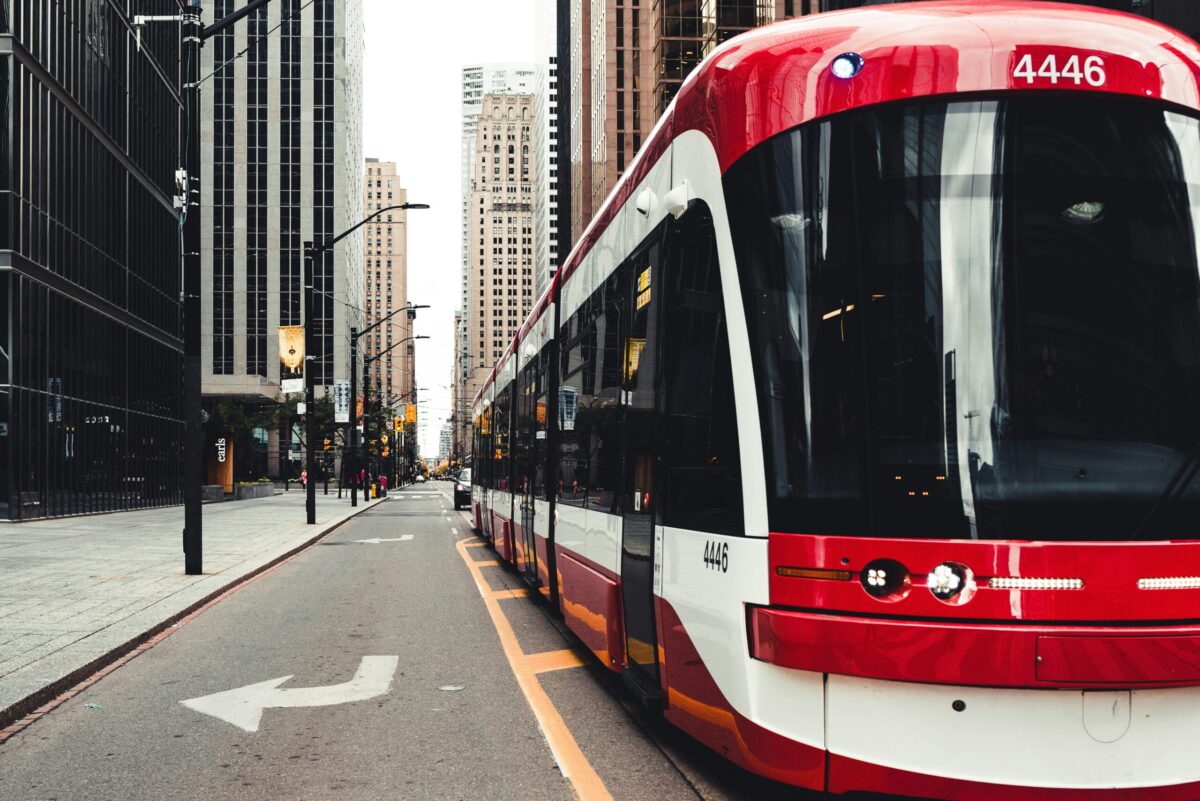
IMAGE: UNSPLASH
The Scale Of What’s Actually Being Built
The Ontario Line, the Eglinton Crosstown, the Finch West LRT, the Scarborough Subway Extension. Combined, these projects represent tens of billions of dollars in transit infrastructure, threading new rapid transit through parts of the city that have spent decades depending entirely on buses and cars. That’s not an incremental upgrade. It’s a structural change to how people will move through Toronto for the next fifty years.
Real estate doesn’t wait for ribbon-cuttings to react to that kind of shift. It reacts the moment a station location is confirmed.
Why Proximity Gets Priced In Early
Transit-adjacent price premiums typically start showing up years before a line actually opens, not after. Once a station location is finalized and construction is visibly underway, buyers start factoring in the future commute time, not the current one. By the time the line opens and the premium is obvious to everyone, the early advantage has already been captured by whoever bought before the announcement fully priced in.
This is the part that catches a lot of buyers off guard. They wait for proof the transit actually works before adjusting their search, and by then, the pricing has already moved.
Where The Ontario Line Is Changing The Calculus
The Ontario Line cuts through several neighbourhoods that have historically been underserved by rapid transit relative to their density, Riverdale, Leslieville, and sections of the west end among them. Areas that previously required a bus transfer to reach the subway network are about to gain direct rapid transit access, and that kind of connectivity upgrade tends to compress commute times in a way that reshapes which neighbourhoods buyers consider “close to downtown.”
Eglinton Crosstown And The Midtown Shift
The Crosstown has been under construction long enough that some of its real estate effects are already visible, but full-line operation is expected to extend the impact further. Neighbourhoods along the Eglinton corridor that previously felt like a car-dependent commute are being reframed as a fifteen-minute cross-town trip once the line is fully operational, which changes the math for buyers weighing a longer commute against a lower purchase price.
What This Means For Buyers Right Now
Anyone actively house hunting in Toronto should be treating confirmed station locations as a genuine input into their search criteria, not an afterthought. A property a ten-minute walk from a future station carries a different long-term value trajectory than an otherwise similar property that will remain dependent on surface transit indefinitely.
This is exactly the kind of analysis where local expertise matters more than a generic listing search. Buyers researching how new transit lines are reshaping real estate across the city benefit from agents who track construction timelines and station locations as closely as they track comparable sale prices, since the two are becoming increasingly linked.
The Official Data Behind The Build-Out
Metrolinx, the provincial agency responsible for building and operating these lines, publishes construction timelines and station location details directly, which is a more reliable source for actual project status than secondhand reporting on delays or scope changes. Given how frequently major infrastructure timelines shift, checking Metrolinx’s own project pages before making assumptions about when a specific line will open is worth the extra step.
The City of Toronto’s planning division also tracks transit-oriented development plans tied to these new lines, including zoning changes intended to increase density near stations, which gives an early signal for where new housing supply, and by extension, market activity, is likely to concentrate first.
The Window Won’t Stay Open Forever
Every major transit expansion in Toronto’s history has followed a similar pattern: early buyers near confirmed but unbuilt infrastructure capture the largest gains, and by the time a line is fully operational and its benefits are obvious to everyone, most of that value has already been absorbed into asking prices.
This build-out is no different. The neighbourhoods currently classified as “up and coming” because of a station that hasn’t opened yet won’t hold that label for much longer.
COMMENTS