


In an era dominated by fast fashion and mass production, a quiet revolution is taking place in American fashion. Independent designers are reclaiming the narrative, creating small-batch collections that prioritize craftsmanship over quantity, and individuality over trends. This shift represents more than just a change in consumer preferences – it’s a fundamental reimagining of what fashion can be when it’s freed from the constraints of mass-market production.
The rise of curated e-commerce platforms has made this transformation possible. Unlike traditional retail, which often requires designers to produce thousands of units to justify shelf space, digital platforms can showcase limited-run pieces from independent creators.
This model benefits everyone: designers maintain creative control, customers access truly unique pieces, and the fashion ecosystem becomes more sustainable and diverse.
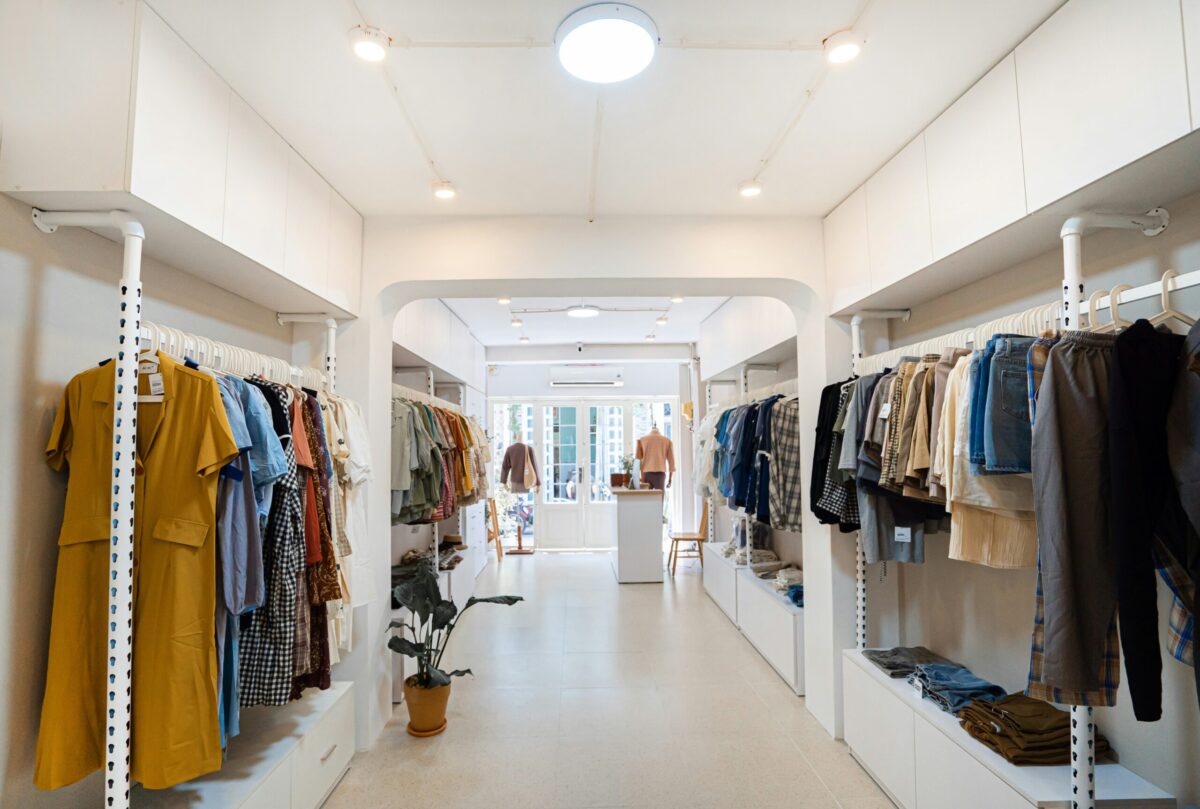
IMAGE: UNSPLASH
The Three Sisters Behind The Movement
At the heart of this independent fashion renaissance are platforms like Fashion And Icon, founded by three sisters who recognized that American fashion needed a bridge between artisan creators and style-conscious consumers. Their approach combines the intimacy of boutique shopping with the accessibility of e-commerce, creating what they call a “boutique soul” in a digital space.
What sets this model apart is the curation process. Rather than algorithms or trend forecasting, real people with deep fashion expertise hand-pick each designer and collection. This human touch ensures that every piece tells a story, reflects genuine craftsmanship, and offers something you won’t find in department stores or fast-fashion chains.
Why Y2K Fashion Is More Than Nostalgia
One of the most compelling examples of independent design’s creative freedom is the current Y2K fashion revival. While mainstream retailers are churning out generic “throwback” pieces, independent designers are reinterpreting early 2000s aesthetics through a contemporary lens. The result is fashion that honors the playfulness and experimentation of Y2K style while incorporating modern fits, sustainable materials, and inclusive sizing.
This isn’t about copying what was popular 25 years ago – it’s about understanding why those styles resonated and translating that energy for today’s consumer. Independent designers have the creative latitude to take risks, experiment with unconventional silhouettes, and create pieces that feel both nostalgic and fresh.
The Economics Of Supporting Small-Batch Production
When you purchase from independent designers, your money travels a different path than it does with mass-market fashion. Instead of funding complex supply chains with multiple intermediaries, you’re directly supporting the designer’s studio. This direct-to-consumer model means designers can invest in quality materials, fair labor practices, and sustainable production methods without being undercut by competitors racing to the bottom on price.
Consider something as seemingly simple as crop tops for women. In fast fashion, these are produced by the thousands in identical cuts and fabrics. Independent designers, however, can experiment with unique necklines, unexpected fabric combinations, and limited colorways that make each piece feel special. The price point may be higher, but you’re paying for originality, quality, and the knowledge that your purchase supports an American creative professional.
The Future Of Fashion Is Independent
As consumers become more conscious of fashion’s environmental and social impact, the appeal of small-batch, independently designed clothing will only grow. The transparency of knowing exactly who made your clothes, where they were produced, and what materials were used creates a connection that mass-market fashion can never replicate.
Platforms that champion independent designers aren’t just selling clothes – they’re preserving a tradition of American craftsmanship while pushing fashion forward. They’re proving that you don’t need to choose between style and substance, between trend-awareness and timelessness, between accessibility and exclusivity.
The future of fashion isn’t about bigger brands or faster production cycles. It’s about smaller batches, deeper connections, and the kind of individuality that can only come from pieces created by designers who view fashion as art, not just commerce. And that future is already here, waiting in the studios of independent designers across America.
COMMENTS