


The agricultural industry has long relied on powerful machinery to meet the demands of planting, harvesting, and maintaining land. But with rising fuel prices, environmental concerns, and the ongoing push toward modernization, farmers are increasingly looking for more sustainable and cost-effective solutions.
Electric vehicles (EVs) and electric-powered farming equipment are quickly gaining momentum as a forward-thinking alternative to traditional diesel-powered machines.
From electric tractors to autonomous harvesters, EV technology is transforming the way farmers approach daily operations. These machines are better for the environment and offer practical advantages that directly impact efficiency and bottom-line profitability.
The adoption of electric-powered farming equipment is helping agricultural businesses improve efficiency while reducing long-term operating costs. As highlighted in Bit Rebels’ discussion of EV farming equipment, modern machinery investments can deliver significant benefits through lower fuel expenses, reduced maintenance requirements, and improved productivity.
Before purchasing, financing, or insuring high-value agricultural assets, many organizations obtain professional machinery and equipment appraisal to determine current market value and support informed decision-making. Accurate equipment valuations help business owners assess investment performance, secure financing, and effectively manage valuable machinery throughout their lifecycle.
Below, we explore six ways EV farming equipment is helping today’s farmers work smarter and more affordably.
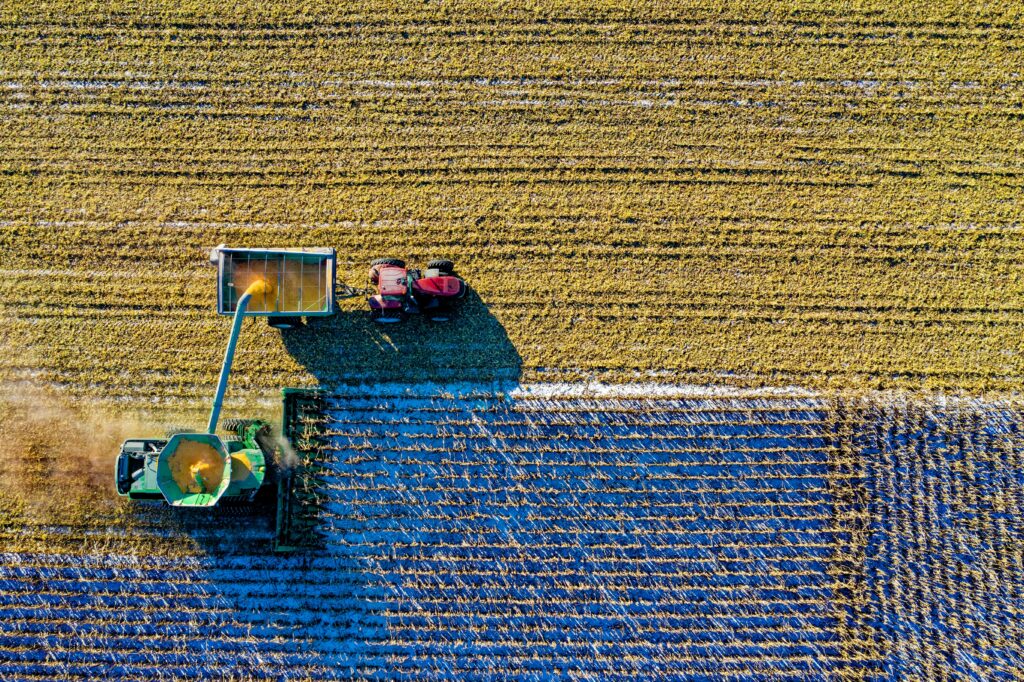
IMAGE: PEXELS
Lower Operating Costs Over Time
One of the most significant benefits of switching to EV farming equipment is the reduction in operating expenses. Electric motors are inherently more energy-efficient than internal combustion engines and require less maintenance due to fewer moving parts.
There’s no need for oil changes, fuel filters, or complicated exhaust systems, saving both time and money.
Charging an electric tractor is typically cheaper than refueling with diesel, especially when using on-site solar or wind power.
As more companies embrace electric vehicles in agriculture, the availability of affordable parts, service options, and utility rebates continues to expand, further boosting the cost savings over the long haul.
For farms already investing in renewable energy sources, pairing these with EV equipment creates a self-sustaining loop that drastically lowers ongoing energy costs.
Increased Precision And Automation
Modern EV farming equipment often integrates advanced software and GPS-based systems that enhance precision in the field. These machines are built with automation in mind, allowing farmers to optimize planting patterns, irrigation, fertilization, and harvesting routes with minimal waste.
Electric powertrains respond more smoothly and accurately to digital controls than combustion engines, which means finer adjustments and more reliable performance during complex tasks. This level of control reduces resource use, improves crop yields, and ensures more consistent results year after year.
Some EVs come equipped with semi-autonomous or fully autonomous capabilities, enabling unmanned operation during off-peak hours or in adverse weather conditions. This reduces the need for labor and maximizes the use of equipment during tight planting and harvesting windows.
Quieter Operation For Extended Use
One of the more underrated advantages of EV farming equipment is its quiet operation. Traditional diesel-powered tractors and harvesters produce significant noise, often requiring operators to wear hearing protection and limiting work hours near residential areas or during early morning and late-night periods.
Electric engines, on the other hand, operate with a low hum which makes them ideal for use in noise-sensitive environments. This opens the door to longer working hours and reduces noise pollution on the farm.
Quieter equipment can improve communication among crew members and reduce fatigue for operators who spend long hours behind the wheel.
For farms that engage in agritourism or operate near populated areas, switching to EV machinery enhances the atmosphere and provides a more welcoming, professional impression.
Reduced Environmental Impact
Agriculture is a sector with a significant carbon footprint, but electric equipment helps mitigate that impact. EVs produce zero direct emissions and drastically reduce fuel-related pollution. This is especially important as regulatory agencies increase pressure on industries to adopt greener practices.
Farms that adopt EV technology can contribute to a cleaner environment and may qualify for government grants, tax incentives, and green certifications. These benefits can be reinvested into operations or used to further sustainability goals.
Using electric equipment in enclosed or indoor agricultural environments, such as greenhouses or livestock facilities, eliminates harmful exhaust emissions that can affect both crops and animals, creating a healthier environment.
Easier Maintenance And Longer Equipment Lifespan
Electric farming machines are designed with simplicity and longevity in mind. With fewer fluids, filters, and moving parts, routine maintenance is greatly simplified. There are fewer components that wear out or require frequent replacement, which translates to fewer breakdowns and less time lost to equipment downtime.
Maintenance tasks are often limited to checking battery health, tire pressure, and software updates, many of which can be handled remotely or through automated systems. This reduced need for mechanical upkeep cuts maintenance costs and allows smaller teams to manage equipment more efficiently.
Better Adaptability For The Future
Agriculture is evolving, with new challenges arising from climate change, labor shortages, and the need for sustainable food production. EV equipment offers a future-ready solution that can adapt to these shifting demands.
With built-in data connectivity, electric machinery can integrate seamlessly with farm management software, cloud analytics, and emerging smart-farming platforms.
This adaptability ensures that EVs remain relevant and upgradeable as new technologies develop, protecting your investment and helping your farm stay competitive. Many EV manufacturers provide over-the-air updates, adding new features and improving performance without the need for hardware replacements.
With benefits ranging from lower maintenance and fuel costs to greater precision and environmental stewardship, EV equipment is quickly becoming a practical and profitable choice for farms of all sizes. As infrastructure and innovation continue to improve, the case for electrification in agriculture grows stronger by the season.

COMMENTS