


Not long ago, a car’s biggest technological feature might have been satellite navigation or Bluetooth connectivity. Today, vehicles are evolving into sophisticated digital platforms packed with sensors, software, cloud connectivity and artificial intelligence. Many modern cars can receive over-the-air software updates, communicate with mobile apps, monitor vehicle health in real time and even interact with surrounding infrastructure.
As this transformation accelerates, an important question emerges: are drivers prepared for cars that behave more like smartphones on wheels?
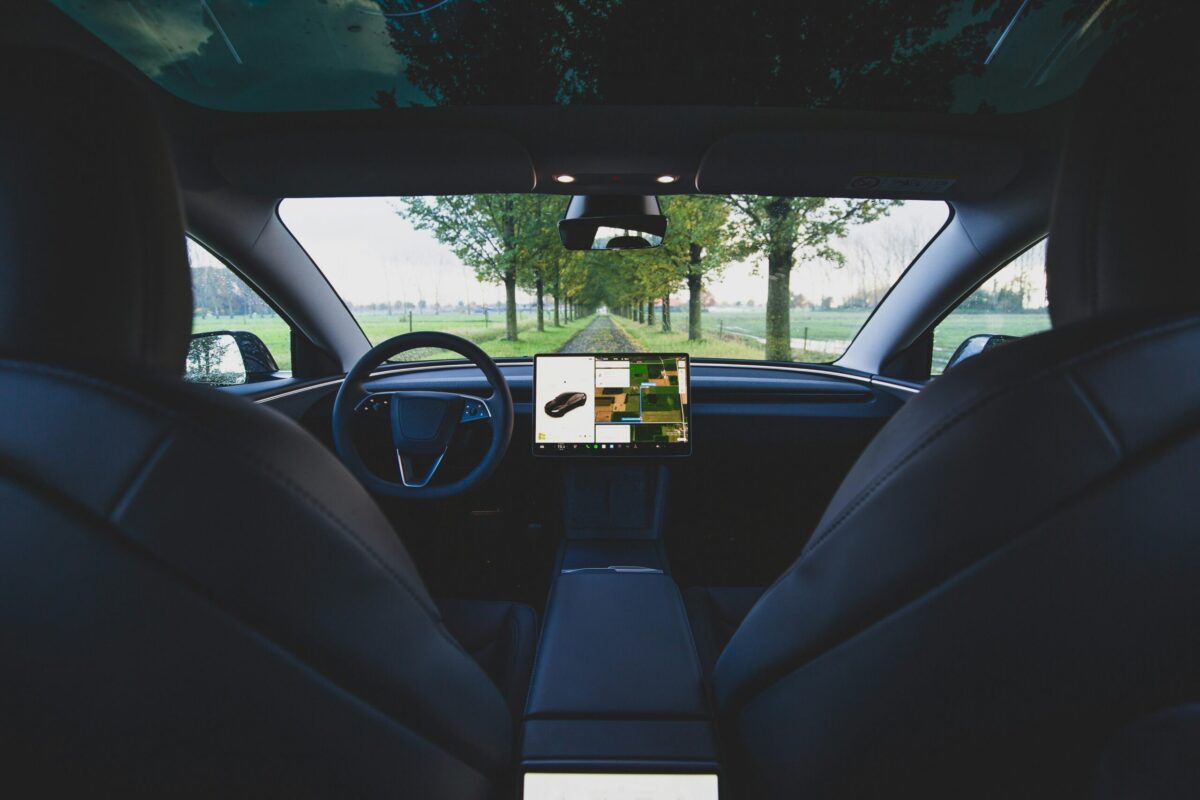
IMAGE: UNSPLASH
Software Is Becoming Just As Important As Engineering
Modern vehicles increasingly rely on software to deliver new features long after leaving the factory. Instead of visiting a dealership for every improvement, drivers may receive updates that enhance navigation, infotainment, safety systems or energy management remotely.
This approach allows manufacturers to improve vehicles throughout their lifespan while introducing new capabilities without changing any physical components. It also means buying a car is no longer simply about its engine or design, but also the digital ecosystem supporting it.
Connected Cars Can Make Driving Safer
Connectivity isn’t just about convenience. It also has the potential to improve road safety.
Connected vehicles can share information with navigation systems, roadside infrastructure and, increasingly, other connected vehicles. This enables features such as real-time traffic updates, hazard warnings, collision alerts and more intelligent route planning. Vehicle-to-everything (V2X) communication is expected to play an increasingly important role as adoption grows.
Advanced driver assistance systems already use cameras, radar and sensors to support drivers through technologies including automatic emergency braking, lane keeping assistance and blind spot monitoring.
Your Vehicle Is Now Producing Valuable Data
Every connected vehicle generates data.
Location history, driving habits, fuel or battery performance, maintenance information and diagnostic reports can all help improve reliability and personalize the driving experience. Fleet operators have been using this information for years to improve efficiency, and similar benefits are increasingly available to everyday motorists.
However, the growth of connected technology also raises important questions about privacy, cybersecurity and data ownership.
Cybersecurity Is Becoming Part Of Vehicle Ownership
As vehicles become more connected, they also become part of the wider digital landscape.
Manufacturers now invest heavily in cybersecurity to protect vehicle software and customer data. Governments and regulators are also introducing new standards designed to strengthen automotive cyber resilience as connected features become more common.
For drivers, this means software updates are no longer optional conveniences. They are becoming an essential part of keeping vehicles secure.
Artificial Intelligence Will Continue To Expand
Artificial intelligence is beginning to influence many aspects of driving.
Voice assistants are becoming more capable, predictive navigation can learn regular journeys, and maintenance systems can identify potential problems before they become expensive repairs. Future vehicles may also personalize climate settings, entertainment preferences and driving assistance based on individual users.
These technologies are designed to reduce distractions while making driving more intuitive and efficient.
Drivers Are Choosing Technology Alongside Capability
Consumer expectations have changed significantly. Buyers now compare digital features alongside traditional considerations like reliability, comfort and performance.
When researching on carlburger.com for a Jeep for sale San Diego, many drivers are looking for vehicles that combine rugged capability with advanced connectivity, intelligent safety features and seamless smartphone integration.
Preparing for the Next Generation of Mobility
The evolution of connected vehicles is still in its early stages. As 5G networks expand and vehicle-to-vehicle communication becomes more widespread, cars will continue to become smarter, more responsive and increasingly integrated into the wider transport network.
Rather than simply transporting us from one destination to another, tomorrow’s vehicles will actively support safer driving, smarter maintenance and more personalized experiences. The shift from mechanical machines to intelligent digital platforms is already well underway, and understanding these changes will help drivers make more informed decisions as automotive technology continues to evolve.
COMMENTS